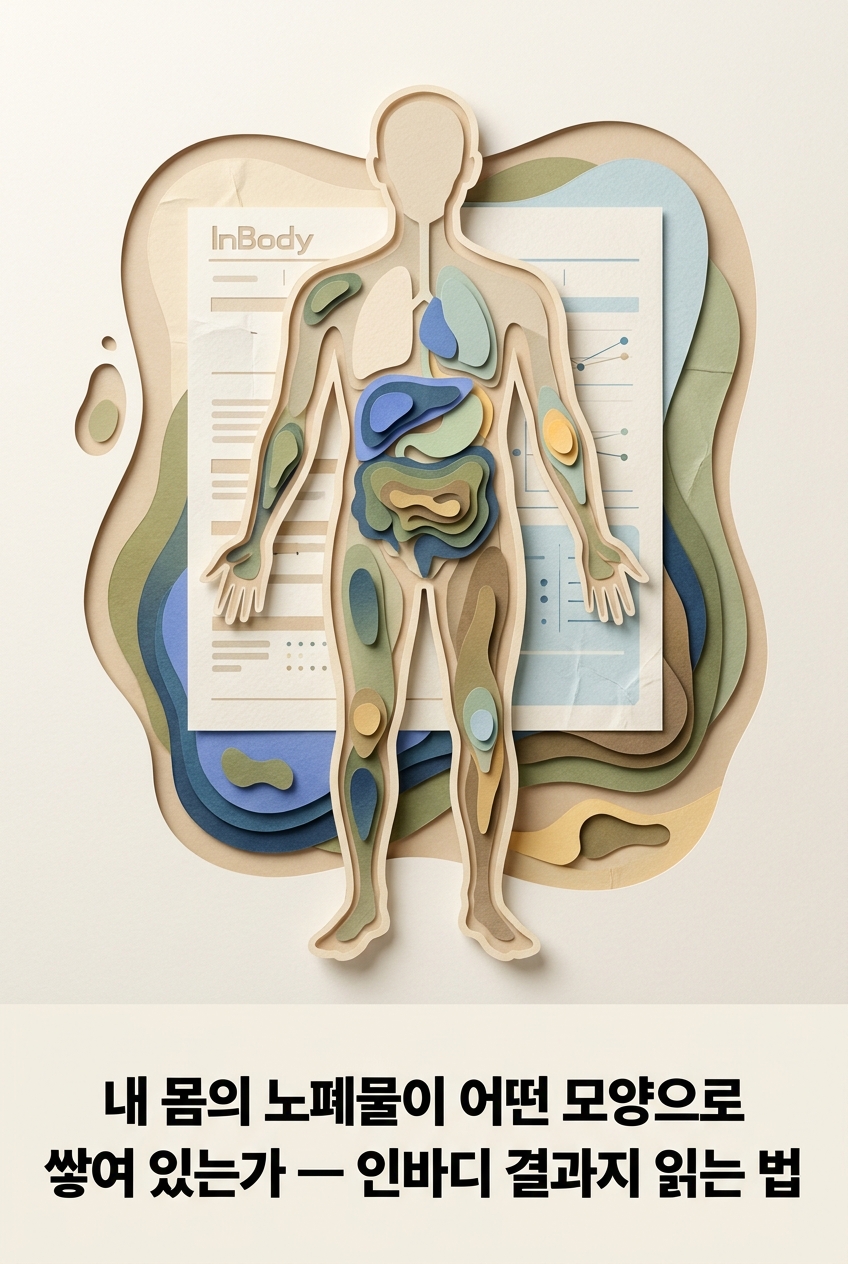
The Psychological Etiology of Obesity and Its Sasang Simhak Interpretation: The Intersection of Contemporary Emotional Eating Research and Seongjeong Theory (性情論)
Table of Contents
- The Psychological Etiology of Obesity and Its Sasang Simhak Interpretation: The Intersection of Contemporary Emotional Eating Research and Seongjeong Theory (性情論)
- 1. Abstract (Abstract)
- 2. Background (Introduction)
- 3. What the Literature Says (Results)
- 1. The Scale and Mechanism of Emotional Eating: The Current State of Western Psychology
- 2. Dopamine Reward Circuit Disruption: The Pathway Through Which Food Becomes Addiction
- 3. Sasang Medicine and Obesity: Epidemiological Evidence of Constitutional Obesity Risk
- 4. Correspondence Between Sasang Constitution and Neurotransmitter Types
- 5. Systematic Review of Dietary Behavior Differences by Sasang Constitution
- 6. Core Pathogenesis of Sasang Simhak: The Bias of Seongjeong (性情)
- 7. Why Sasang Medicine Is More Appropriate in Modern Society
- 8. Taeeum-in's Stress-Digestive Connection: Clinical Observations
- 9. Treatment as Seongjeong Correction: Hwakchung (擴充) and Sindok (愼獨)
- 4. Cross Reading (Discussion)
- Mechanistic Correspondence Structure
- Convergence and Differentiation
- Redefining "Constitutional Dieting"
- 5. What We Don't Know Yet (Limitations & Future)
- Limitations of Western Evidence
- Limitations of Sasang Simhak Evidence
- Limitations of Cross-Comparison Itself
- Additional Research Questions
- 6. Reference Cards (References)
The Psychological Etiology of Obesity and Its Sasang Simhak Interpretation: The Intersection of Contemporary Emotional Eating Research and Seongjeong Theory (性情論)
[Author]: Choi Jang-Hyuk
[Medical Review]: Director Choi Jang-Hyuk
[Program]: Dongjedang Oriental Medicine Clinic — Sasang Constitutional Obesity Clinic
[Research Method]: DJD Multi-Document Cross Research
1. Abstract (Abstract)
The perspective that views obesity solely as an imbalance of energy (intake-expenditure) has reached its limits. According to a 2025 systematic review, 44.9% of overweight and obese populations show Emotional Eating, and Western psychology has elucidated the neuroendocrinological pathway of chronic stress → cortisol hypersecretion → HPA axis disruption → preference for high-calorie comfort foods → visceral fat accumulation. Simultaneously, evidence has accumulated that dopamine desensitization in the brain reward circuit maintains binge eating through the same mechanism as drug addiction. What is noteworthy is that this conclusion structurally corresponds to the pathogenesis proposed by Lee Je-ma (李濟馬) in Sasang Medicine (四象醫學) 130 years ago: "organ damage caused by seongjeong dysregulation (性情失調)". This paper cross-compares the core mechanisms of Western Emotional Eating research with Sasang Simhak's Seongjeong Theory (性情論), and argues that the essence of "constitutional dieting" lies not in food matching but in constitutional seongjeong correction.
2. Background (Introduction)
Obesity is not simply a problem of energy surplus. A meta-analysis by Luppino et al. (2010) reported a bidirectional relationship in which obesity increases the risk of developing depression by 55%, and conversely, depression increases the risk of developing obesity by 58%. At the center of this vicious cycle is "emotional eating" — eating in response to negative emotions or stress.
Meanwhile, the Sasang medicine approach known to the public as "constitutional dieting" has long been distorted as food matching: "eat foods that suit your constitution and you will lose weight." However, the actual content of 『Dongui Susebowon (東醫壽世保元)』, the original text of Sasang medicine, is essentially different from this. Master Lee Je-ma viewed the primary cause of disease as arising from "the congenital bias of seongjeong (性情) combined with acquired psychological conflict factors." In other words, the core of Sasang medicine is not food but the mind.
This study aims to answer three questions. First, what is the mechanism of stress-emotional eating-obesity elucidated by Western psychology? Second, how does this mechanism structurally correspond to Sasang Simhak's Seongjeong Theory? Third, what clinical implications does this intersection offer for modern obesity treatment?
Demonstrating that Sasang medicine is a mind-body medicine based on "constitutional psychological issues" rather than "constitutional foods" is the work of supporting the need for psychological intervention in modern obesity treatment with original-text evidence. What clinicians can gain from this research is a shift in clinical perspective — that in interviewing obese patients, "in what mental state were you eating" should be explored before "what are you eating."
3. What the Literature Says (Results)
1. The Scale and Mechanism of Emotional Eating: The Current State of Western Psychology
A 2025 systematic review and meta-analysis by Chew et al. (18 studies, 21,237 participants) reported that the prevalence of emotional eating among overweight and obese populations reaches 44.9%. This means that one in two obese individuals is eating due to emotions.
— Chew et al., 2025, 『British Journal of Psychology』
A review by Torres and Nowson (2007) summarized that stress alters food intake in two directions. Acute stress suppresses appetite, but chronic stress increases preference for energy-dense foods high in sugar and fat. Longitudinal evidence suggested that chronic life stress may be causally linked to weight gain.
— Torres & Nowson, 2007, 『Nutrition Research Reviews』
At the center of this pathway is the hypothalamic-pituitary-adrenal axis (HPA axis). Chronic stress continuously elevates cortisol secretion, and cortisol redistributes white adipose tissue to the abdomen, increases appetite, and raises preference for high-energy-density "comfort foods." Visceral adipose tissue, which surrounds internal organs, is the most dangerous-location fat, increasing risks of cardiovascular disease, type 2 diabetes, and certain cancers.
— Hewagalamulage et al., 2016, 『Domestic Animal Endocrinology』
A narrative review by van Strien (2018) listed possible causes of emotional eating as high dietary restraint, poor interoceptive awareness, alexithymia, emotional dysregulation, and reversed HPA-axis stress response. In particular, the evidence that emotional eating mediates between depression and obesity is strong, and the review concluded that treatment of obese individuals should focus not on caloric restriction but on emotional regulation skills training.
— van Strien, 2018, 『Current Diabetes Reports』
2. Dopamine Reward Circuit Disruption: The Pathway Through Which Food Becomes Addiction
A literature review by Yu et al. (2022) summarized that dopamine is involved in food craving, decision-making, executive function, and impulsivity personality traits, and all of these contribute to the development and maintenance of binge eating. Binge eating activates the same dopamine response in the brain reward center as cocaine or alcohol, and with repetition, the brain's reward threshold rises, forming tolerance. Initially, the reward response becomes hyperresponsive overall; in the progressive stage, motivational "wanting" for binge cues increases while actual "liking" is maintained or decreased.
— Yu et al., 2022, 『Journal of Eating Disorders』
Research by Wang et al. (Brookhaven National Laboratory) reported that in binge eating disorder patients, dopamine levels in the caudate nucleus rise significantly in response to food stimuli, with the highest levels in patients with the most severe binge eating disorder — a mechanism similar to the dopamine surge for drug-related cues in drug addiction.
— Wang et al., Brookhaven National Laboratory, 『Obesity』
3. Sasang Medicine and Obesity: Epidemiological Evidence of Constitutional Obesity Risk
A study by Baek et al. (2014) on 3,348 Koreans showed dramatically different obesity prevalence by Sasang constitution. Taeeum-in (TE) had overwhelmingly higher odds ratios (OR) for general obesity compared to Soeum-in (SE) — male OR 20.2 (95% CI: 12.4-32.9), female OR 14.3 (95% CI: 10.1-20.2). Abdominal obesity (waist circumference) was also significantly higher at male OR 10.7, female OR 7.5, and the odds ratios remained similar even after adjusting for age, social status, and eating habits.
— Baek et al., 2014, 『BMC Complementary and Alternative Medicine』
This suggests that obesity does not simply arise from "eating too much," but is deeply rooted in constitutional — innate structural — characteristics of body and mind. The fact that odds ratios are maintained even after adjusting for eating habits is particularly noteworthy.
4. Correspondence Between Sasang Constitution and Neurotransmitter Types
A pilot study by Kim et al. (2016) reported significant differences between Sasang constitution and Braverman temperament types (P=0.042). Soyang-in showed significant association with the dopamine type, and Taeeum-in with the GABA type. Yang-in (陽人) showed strong association with the dopamine type, and Eum-in (陰人) with the GABA type (P=0.017). This suggests that Sasang constitution is not a simple classification system but a psychobiological typology with neurobiochemical foundations.
— Kim et al., 2016, 『Evidence-Based Complementary and Alternative Medicine』
5. Systematic Review of Dietary Behavior Differences by Sasang Constitution
A systematic review by Lee et al. (2012) (10 studies) reported that dietary behaviors by Sasang constitution may differ in eating rate, meal size, and regular appetite. This suggests that the psychological relationship with food is fundamentally different by constitution, and that uniform dietary prescriptions are fundamentally limited.
— Lee et al., 2012, 『Asia Pacific Journal of Clinical Nutrition』
6. Core Pathogenesis of Sasang Simhak: The Bias of Seongjeong (性情)
In the original texts of Sasang medicine, the core cause of disease is described as follows:
Most diseases arise from the addition of acquired psychological conflict factors to the congenital bias of human seongjeong — this is the Sasang medicine perspective.
— 『Sasang Simhak — Reading Vivid Susebowon 2.0』, Commentary on Sadanron
Master Lee Je-ma directly described the results of constitutional seongjeong dysregulation in the Sadanron (四端論) of 『Dongui Susebowon』:
太陽人哀極不濟則 忿怒激外 少陽人怒極不勝則 悲哀動中 少陰人樂極不成則 喜好不定 太陰人喜極不服則 侈樂無厭 如此而動者 無異於以刀割臟 一次大動 十年難復 此死生壽天之機關也 不可不知也
(When Taeyang-in's grief reaches its extreme and cannot be fulfilled, anger explodes outward; when Soyang-in's anger reaches its extreme and cannot be overcome, sorrow stirs within; when Soeum-in's joy reaches its extreme and cannot be fulfilled, preferences become unstable; when Taeeum-in's elation reaches its extreme and cannot be contained, pleasure becomes boundless. When seongjeong moves greatly in this way, it is no different from cutting the organs with a knife; once greatly agitated, it is difficult to recover even in 10 years. This is the mechanism of life, death, longevity, and short life — it must be known.)
— Lee Je-ma, 『Dongui Susebowon (東醫壽世保元)』 Sadanron
What directly connects to obesity here is Taeeum-in's "喜極不服則 侈樂無厭" — when elation (喜性) reaches its extreme and cannot be contained, pleasure becomes boundless. This describes the same phenomenon as what modern neuroscience calls dopamine reward circuit desensitization — the tolerance phenomenon where the pleasure threshold rises and more stimulation (food) is needed for satisfaction.
Also, Soeum-in's "樂極不成則 喜好不定" — when the nature of enjoyment reaches its extreme and cannot be fulfilled, preferences become unstable — corresponds to the pattern of disordered eating in states of emotional instability, that is, the modern emotional eating pattern of trying various foods and ultimately ending in overeating.
7. Why Sasang Medicine Is More Appropriate in Modern Society
The difference in pathogenesis between Sasang medicine and traditional Korean medicine is explained as follows:
Traditional Korean medicine such as 『Dongui Bogam』 observed the human body in an era when harsh natural environments — wind, rain, cold, heat, excessive physical labor, and nutritional deficiency — were the primary causes of disease. In contrast, modern society is more characterized by nutritional surplus than deficiency, and is not greatly affected by natural environments. Instead, people live in an urban society where interpersonal relationships have become far more frequent.
— 『100 Years of Sasang Medicine: Is It Sasang Medicine or Sasang Philosophy?』
Traditional Korean medicine viewed external causes (外因) — wind, cold, heat, and dampness (風寒暑濕) — as the primary pathogenesis. However, modern obesity is not a disease caused by exposure to wind and rain. It is a disease arising from interpersonal stress, psychological conflict, and emotional regulation failure. Sasang medicine focuses precisely on "the variance of individual human psychological inner states," and therefore provides a more appropriate framework than traditional Korean medicine for explaining the psychological pathogenesis of modern obesity.
8. Taeeum-in's Stress-Digestive Connection: Clinical Observations
Master Taeyul's clinical lectures describe the direct relationship between Taeeum-in's digestive issues and psychological state as follows:
Taeeum-in is sensitively affected by stress rather than by food itself. They suffer sudden indigestion when forced to eat uncomfortable food due to social pressure. They suffer sudden indigestion when something upsetting happens while eating.
— Master Taeyul, Gyeokchigo Lecture
This clinical observation shows that Taeeum-in's digestive issues are determined not by the type of food but by psychological state. Logically extended, Taeeum-in's obesity is more fundamentally caused by "in what mental state they ate" rather than "what they ate."
9. Treatment as Seongjeong Correction: Hwakchung (擴充) and Sindok (愼獨)
The therapeutic approach of Sasang Simhak is described as follows:
What is important here is not intellectual understanding in the head but empathy and catharsis in the heart. Helping to find ways of behavior that reduce real-world conflict through this is the treatment of Sasang Simhak.
— 『Sasang Simhak — Reading Vivid Susebowon 2.0』
According to one's innate psychological tendencies, each Sasang type undergoes hwakchung, and the further task of sindok — cultivating through action — remains. This continuing until the day of death aligns with what analytical psychology calls "individuation."
— 『Summary of Characteristics by Sasang Type, Theory of Self-Cultivation, Individuation』
Hwakchung (擴充) means becoming aware of the bias in one's innate seongjeong and expanding in the deficient direction, and Sindok (愼獨) means practicing that awareness through action even when alone. This is structurally similar to Cognitive Behavioral Therapy (CBT) — awareness and correction of automatic thoughts — and Mindfulness — de-identification of impulsive responses through self-awareness — while being a more individualized approach in that it has a direction differentiated by constitution.
4. Cross Reading (Discussion)
Mechanistic Correspondence Structure
| Category | Western Psychology & Neuroscience (WM) | Sasang Simhak (KM) |
|---|---|---|
| Core Pathogenesis | Chronic stress → emotional regulation failure → emotional eating | Congenital bias of seongjeong + acquired psychological conflict → organ damage |
| Physiological Mechanism | HPA axis hyperactivation → cortisol → visceral fat accumulation | Seongjeong rampage → "以刀割臟" (like cutting organs with a knife) |
| Reward/Addiction Mechanism | Dopamine desensitization → pleasure threshold ↑ → tolerance → need more food for satisfaction | Taeeum-in "侈樂無厭" — pleasure becomes boundless |
| Dietary Instability | Emotional eating → irregular meals, alternating binge-fast | Soeum-in "喜好不定" — preferences become unstable |
| Internalized Pain | Suppressed depression → dependence on comfort food | Soyang-in "悲哀動中" — sorrow stirs within |
| Bidirectional Vicious Cycle | Obesity ↔ depression each 55~58% increased risk | Seongjeong dysregulation → organ damage → health deterioration → seongjeong further destabilized |
| Treatment Principle | Caloric restriction ❌ → emotional regulation training (CBT, Mindfulness) | Food matching ❌ → constitutional hwakchung (擴充)·sindok (愼獨) cultivation |
| Limitation | Uniform psychological intervention (individual differences not reflected) | Individualized approach distinguishing the direction of bias into four types |
Convergence and Differentiation
Western psychology and Sasang Simhak converge in the conclusion that "the core cause of obesity is psychological, and treatment should focus on emotional regulation rather than dietary restriction." However, there is a decisive difference:
Western psychology views emotional eating as a single unified phenomenon and applies universal interventions such as CBT and mindfulness. Sasang Simhak, in contrast, holds that the direction and pattern in which seongjeong runs rampant is essentially different for each constitution. Taeeum-in's "侈樂無厭" (pleasure-seeking overeating type), Soeum-in's "喜好不定" (unstable-preference irregular eating type), and Soyang-in's "悲哀動中" (type that comforts inner sorrow with food) all lead to the same result of "obesity" but through completely different psychological pathways. Therefore, the direction of intervention must also differ.
This is where the Sasang Simhak approach potentially has an advantage over uniform CBT or general mindfulness. Of course, proving this advantage requires comparative clinical research on constitutional psychological interventions, which does not yet exist.
Redefining "Constitutional Dieting"
The constitutional food theory that the public is mainly interested in is a representative example of distortion of Sasang medicine by practitioners themselves.
— 『100 Years of Sasang Medicine: Is It Sasang Medicine or Sasang Philosophy?』
The above criticism is the self-reflection of Sasang medicine practitioners. True constitutional dieting is not eating foods that match one's constitution, but breaking the psychological chain of emotional eating by becoming aware of and correcting the congenital bias of seongjeong by constitution.
What Western psychology reached in 2025 — "obesity treatment should be emotional regulation training rather than caloric restriction" — Lee Je-ma had already declared in 1894: "correcting the bias of seongjeong is treatment." However, Sasang medicine contains the one-step deeper proposal that since the direction and pattern in which seongjeong runs rampant differ by the four constitutions, an individualized psychological approach tailored to each is needed.
5. What We Don't Know Yet (Limitations & Future)
Limitations of Western Evidence
Most emotional eating research relies on self-report questionnaires (DEBQ, EES, etc.), and studies objectively measuring actual intake amounts and patterns are limited. Also, since most studies are cross-sectional in design, it is difficult to determine whether emotional eating is the cause or result of obesity.
Limitations of Sasang Simhak Evidence
Sasang Simhak's Seongjeong Theory is a theoretical framework based on interpretation of original texts, and prospective clinical research verifying the causal relationship between constitutional seongjeong dysregulation and obesity does not exist. The study by Baek et al. (2014) showed the association between constitution and obesity, but whether this passes through the psychological mechanism of seongjeong has not been elucidated. The study on Sasang constitution-neurotransmitter type correspondence by Kim et al. (2016) is at pilot level with limited sample size.
Limitations of Cross-Comparison Itself
The terminology of Sasang Simhak and Western psychology come from different epistemological traditions, and the "structural correspondence" attempted in this paper is a comparison based on functional similarity rather than identity in the strict sense. Equating "侈樂無厭" with "dopamine desensitization" carries the risk of interpretive overreach.
Additional Research Questions
- Are there differences in the prevalence and patterns of emotional eating by Sasang constitution? (Comparative study by constitution using DEBQ or EES)
- Is Taeeum-in's high obesity risk mediated by constitutional psychological characteristics (GABA-type temperament, pleasure-seeking tendency, etc.)?
- Does constitutional-differentiated psychological intervention (constitutional hwakchung program) show superior obesity treatment effects compared to universal CBT and mindfulness?
- Are there differences in cortisol responsiveness by Sasang constitution?
- Can functional differences in dopamine reward circuits by Sasang constitution be confirmed by fMRI, etc.?
6. Reference Cards (References)
Source 1 [WM]
- Source: The global prevalence of emotional eating in overweight and obese populations: A systematic review and meta-analysis
- Author/Year: Chew et al., 2025, 『British Journal of Psychology』
- Reliability: high
- Key point: Prevalence of emotional eating among overweight and obese populations: 44.9% (18 studies, 21,237 participants)
Source 2 [WM]
- Source: Relationship between stress, eating behavior, and obesity
- Author/Year: Torres & Nowson, 2007, 『Nutrition Research Reviews』
- Reliability: high
- Key point: Chronic stress increases preference for high-sugar, high-fat foods and may be causally linked to weight gain
Source 3 [WM]
- Source: Stress, cortisol, and obesity: a role for cortisol responsiveness in identifying individuals prone to obesity
- Author/Year: Hewagalamulage et al., 2016, 『Domestic Animal Endocrinology』
- Reliability: high
- Key point: Cortisol causes abdominal fat redistribution and high-energy food preference; cortisol responsiveness explains individual differences in obesity susceptibility
Source 4 [WM]
- Source: Causes of Emotional Eating and Matched Treatment of Obesity
- Author/Year: van Strien, 2018, 『Current Diabetes Reports』
- Reliability: high
- Key point: Emotional eating mediates depression-obesity; treatment should focus on emotional regulation skills rather than caloric restriction
Source 5 [WM]
- Source: A literature review of dopamine in binge eating
- Author/Year: Yu et al., 2022, 『Journal of Eating Disorders』
- Reliability: high
- Key point: Dopamine involved in food craving, impulsivity, executive function; hyperdopamine→hypodopamine transition in binge eating consistent with drug addiction model
Source 6 [WM]
- Source: The Role of Stress and Mental Health in Obesity
- Author/Year: Luppino et al., 2010 (cited in 2025 review), 『Nutrients/Archives of General Psychiatry』
- Reliability: high
- Key point: Obesity → 55% increased depression risk, depression → 58% increased obesity risk (bidirectional relationship)
Source 7 [KM]
- Source: 『Dongui Susebowon (東醫壽世保元)』 Sadanron (四端論)
- Author/Era: Lee Je-ma (李濟馬), late Joseon (1894)
- MEDICLASSICS: mediclassics.kr/books/182
- Reliability: high
- Key point: Constitutional seongjeong dysregulation consequences — Taeeum-in "喜極不服則 侈樂無厭", "如此而動者 無異於以刀割臟"
Source 8 [KM]
- Source: 『Sasang Simhak — Reading Vivid Susebowon 2.0』
- Author/Year: Sasang Simhak Research Society
- Reliability: high
- Key point: Core pathogenesis = congenital seongjeong bias + acquired psychological conflict; treatment = hwakchung·sindok cultivation
Source 9 [KM]
- Source: 『100 Years of Sasang Medicine: Is It Sasang Medicine or Sasang Philosophy?』
- Author/Year: Sasang Simhak Research Society
- Reliability: high
- Key point: Modern diseases arise from interpersonal stress, not external natural causes; constitutional food theory distorts Sasang medicine
Source 10 [KM]
- Source: Master Taeyul's Gyeokchigo Lecture
- Author/Year: Taeyul (太律)
- Reliability: high
- Key point: Taeeum-in digestive issues determined more by stress than by food itself
Source 11 [KM-Research]
- Source: The prevalence of general and abdominal obesity according to sasang constitution in Korea
- Author/Year: Baek et al., 2014, 『BMC Complementary and Alternative Medicine』
- Reliability: high
- Key point: Taeeum-in obesity OR — general obesity male OR 20.2, female OR 14.3 (vs Soeum-in), maintained after adjusting for eating habits
Source 12 [KM-Research]
- Source: A Pilot Study of Psychological Traits in the Sasang Constitution According to the Braverman Nature Assessment
- Author/Year: Kim et al., 2016, 『Evidence-Based Complementary and Alternative Medicine』
- Reliability: medium (pilot study)
- Key point: Soyang-in=dopamine type, Taeeum-in=GABA type significant association (P=0.042), Yang-in=dopamine type, Eum-in=GABA type (P=0.017)
Source 13 [KM-Research]
- Source: Sasang types may differ in eating rate, meal size, and regular appetite: a systematic literature review
- Author/Year: Lee et al., 2012, 『Asia Pacific Journal of Clinical Nutrition』
- Reliability: high
- Key point: Differences exist in dietary behavior (eating rate, meal size, regular appetite) by Sasang constitution
Related documents: [Psychological Etiology of Obesity — Summary]
Research information: DJD Korean Medicine Research System | 8 sub-questions | 15 search queries + 4 SASANG RAG queries | 2026-03-24
This document is academic research material prepared through cross-comparison of Western (WM) psychology/neuroscience literature and Korean medicine (KM) Sasang Simhak original texts.
Clinical application should be done in consultation with a qualified medical professional.
Diet
The Psychological Etiology of Obesity and Its Sasang Simhak Interpretation: The Intersection of Contemporary Emotional Eating Research and Seongjeong Theory (性情論)
View Program