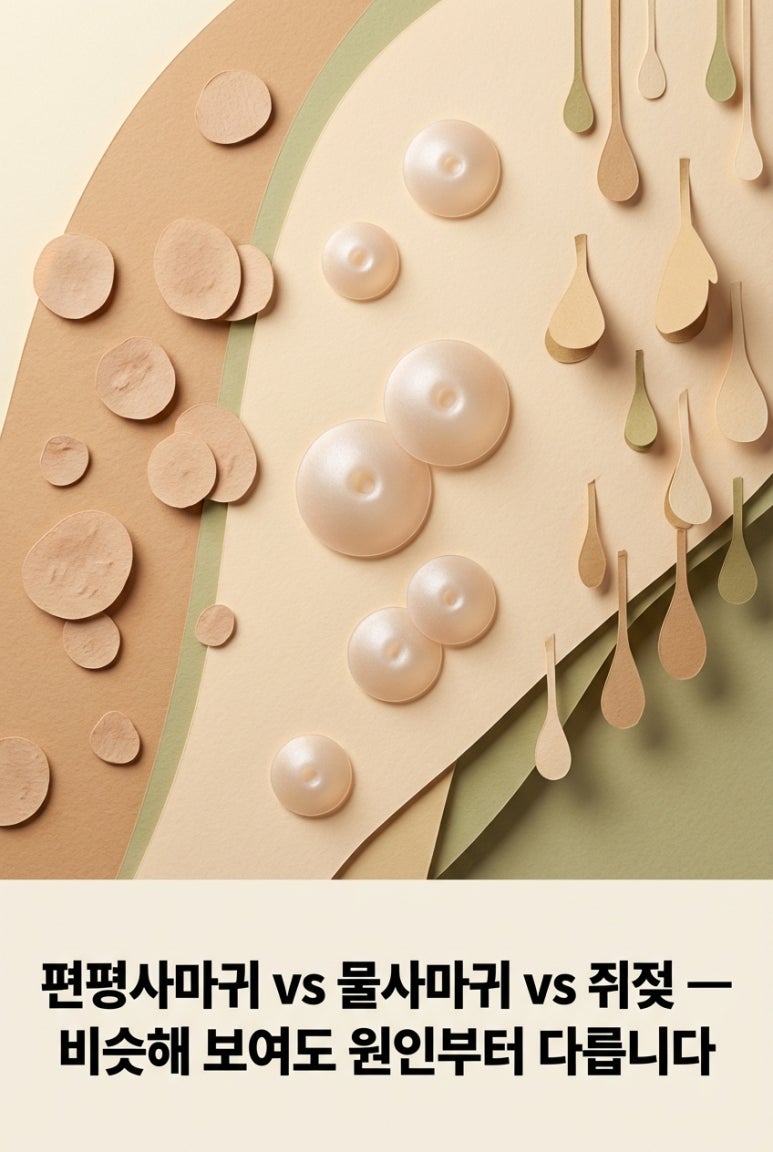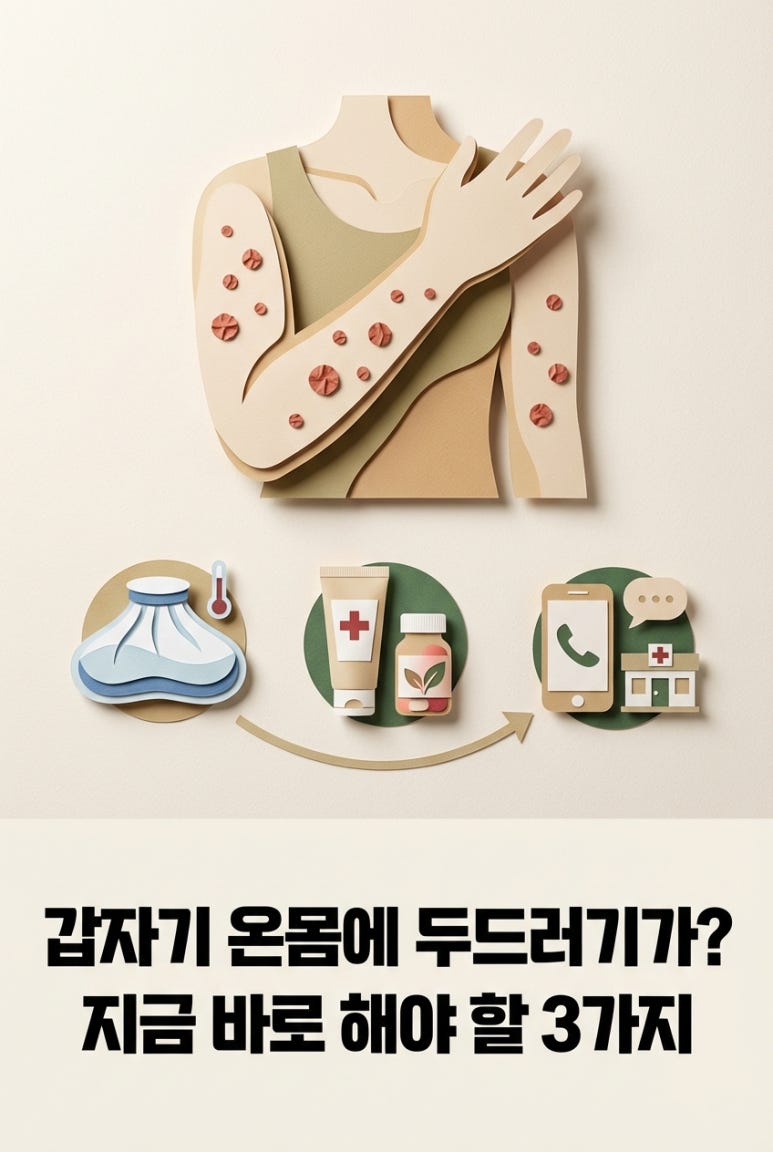

"Every change of season my hands and feet turn red and peel" | Chronic dyshidrotic eczema in a 50s self-employed person

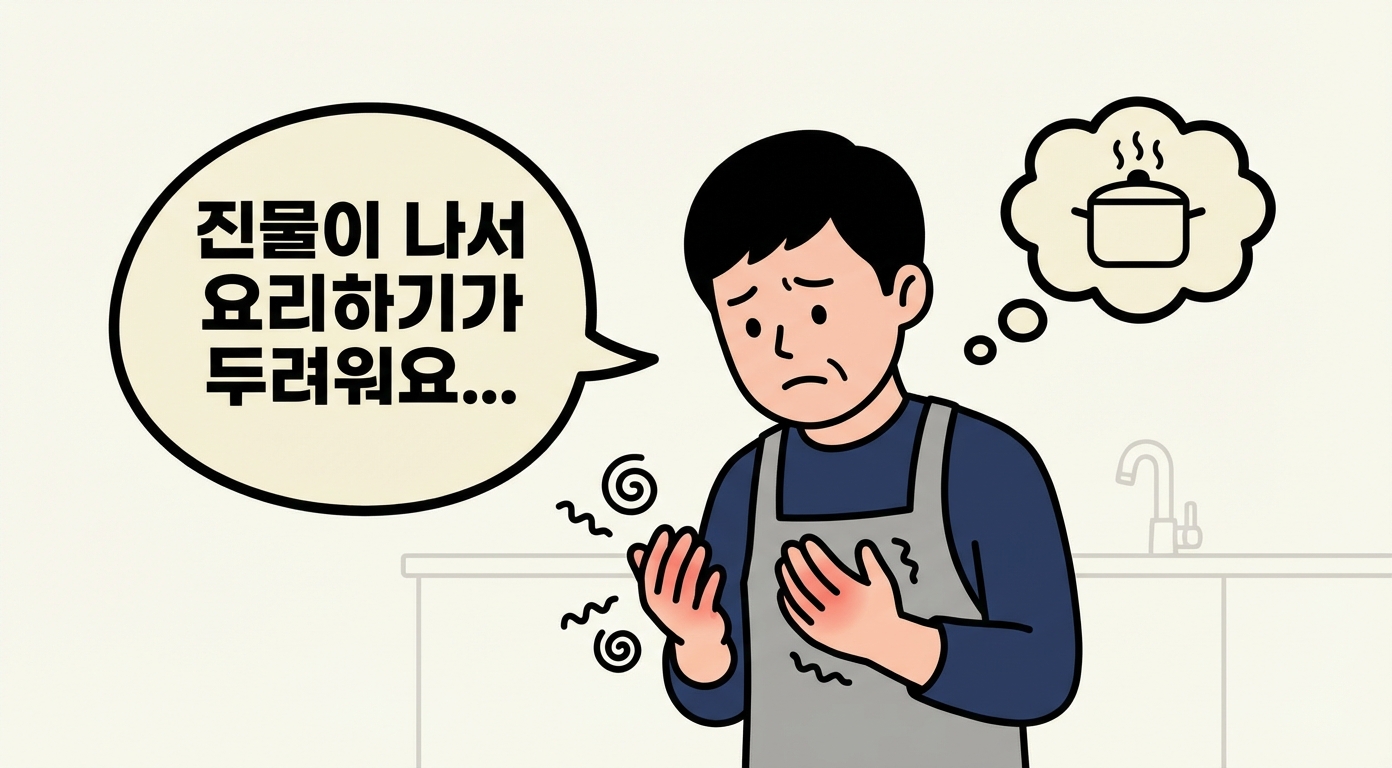 The Body's Cry: The Agony of Peeling Skin and Daily Life at Its Limit
"Every night I wake up scratching from the itch, and when the tiny blisters merge and burst, just touching them is agonizing. The weeping makes me afraid to even cook."
These were the words of Myung-hun (pseudonym), a self-employed man in his early 50s who has run a Korean restaurant for over a decade and never leaves the heat of the flame, when he first came to see me.
At some point, every change of season started bringing redness and tiny blisters to his hands and feet, and now the symptoms appeared regardless of season.
At first he visited a nearby dermatologist and managed with ointment, but it only provided temporary relief — and every time the seasons changed, he endured the agony of skin peeling horrifically, day by day.
As symptoms worsened and he grew fearful of tasks involving his hands, stress grew, which in turn led to a devastating vicious cycle of worsening itch and inflammation.
His two hands — red, weeping, and cracked and roughened — might look like simple contact dermatitis or eczema from the outside, but they had already surpassed the level that could be covered up with a few applications of ointment.
Honestly speaking, when I encounter such damaged hands in the clinic, even I as a physician often feel heaviness and sorrow in my heart.
I did not see Myung-hun's symptoms as merely a problem of the skin's surface barrier breaking down.
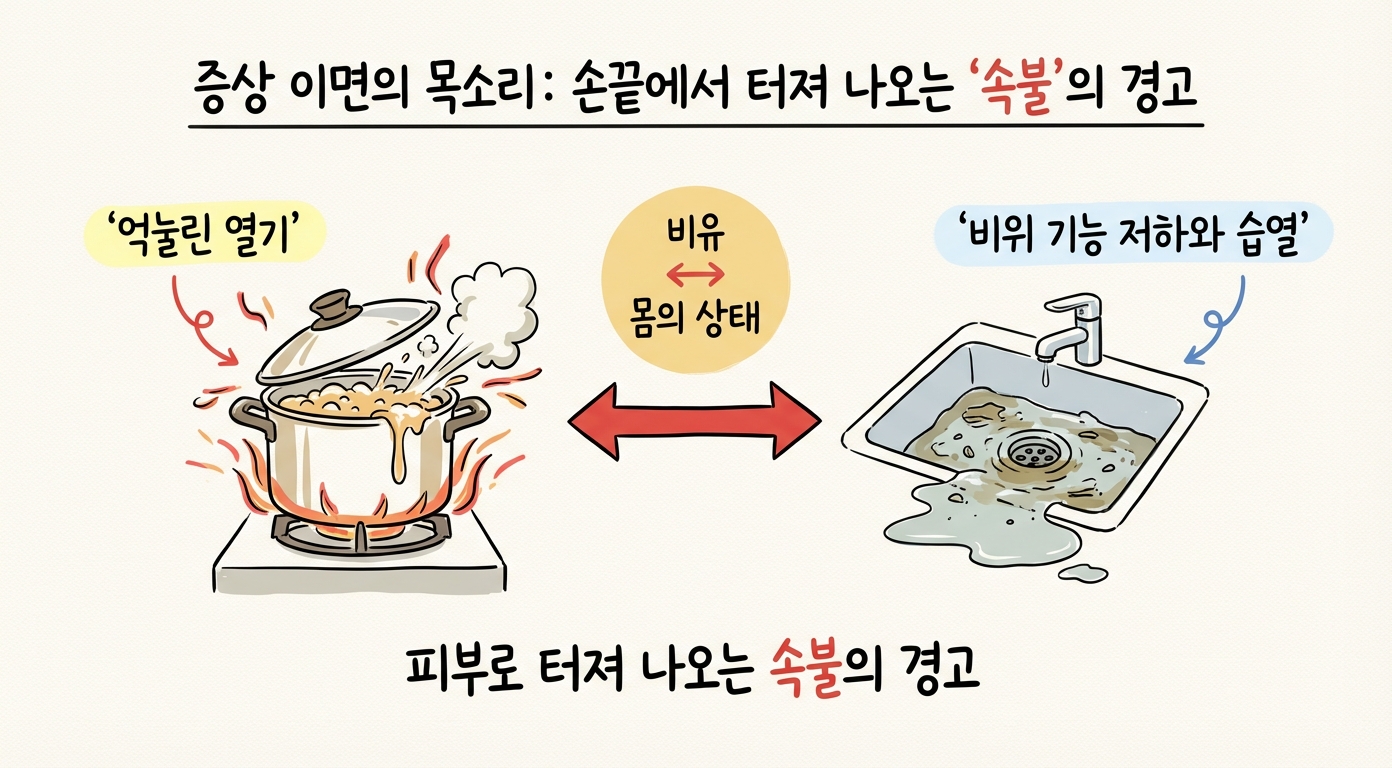
This is like a pot that has been neglected with the lid on, finally boiling over beyond its limit — the hot internal heat and inflammation suppressed inside are erupting through the weakest point, the outer skin.
Every time I face the deep-etched frustration and helplessness that matches those rough hands, I deeply empathize with the long suffering the patient has endured.
So why does the skin keep breaking down so persistently at the fingertips?
 The Skin's Rebellion: The Swamp of Damp-Heat Where the Body's Moisture and Heat Are Tangled
Dyshidrotic eczema (한포진) must be understood as the result of damp-heat (습열, 濕熱) — where unnecessary waste and heat become entangled and accumulate in the body as the digestive and metabolic functions of the spleen and stomach (비위, 脾胃) decline.
Here, "damp-heat" refers to a harmful energy that, like sticky mud, obstructs the circulation of qi and blood in the body and causes inflammation.
This is like a completely clogged drain emitting foul odors from lack of drainage.
When the spleen and stomach's function weakens, food residue and waste cannot be excreted in time and stagnate and rot in the body, spewing intense heat and toxins throughout the entire body.
From the perspective of modern Western medicine, this can be explained as an imbalance of the gut-brain axis and overload of the autonomic nervous system.
Persistent fatigue and extreme stress weaken the immune function of the gastrointestinal mucosa, and the systemic micro-inflammatory response beginning here travels through the bloodstream to push out to the skin of the extremities — the hands and feet — causing blisters and inflammation.
The digestive system, nervous system, and skin are not separate organs — they closely affect each other and amplify symptoms.
When this state continues and even the clear fluids that keep the skin moist and supple dry up — reaching a state of blood deficiency (혈허, 血虛) — the body comes to resemble a desertified land that has cracked and split from a prolonged drought without rain.
Skin deprived of adequate moisture and nutrients cracks, peels, and causes extreme pain even from minor friction or irritation.
Ultimately, the blisters and scaling on the hands and feet that appear on the surface are the result of systemic organ imbalance and autonomic nervous system disruption.
Treatment that merely suppresses the redness of the outer skin cannot be expected to achieve fundamental recovery.
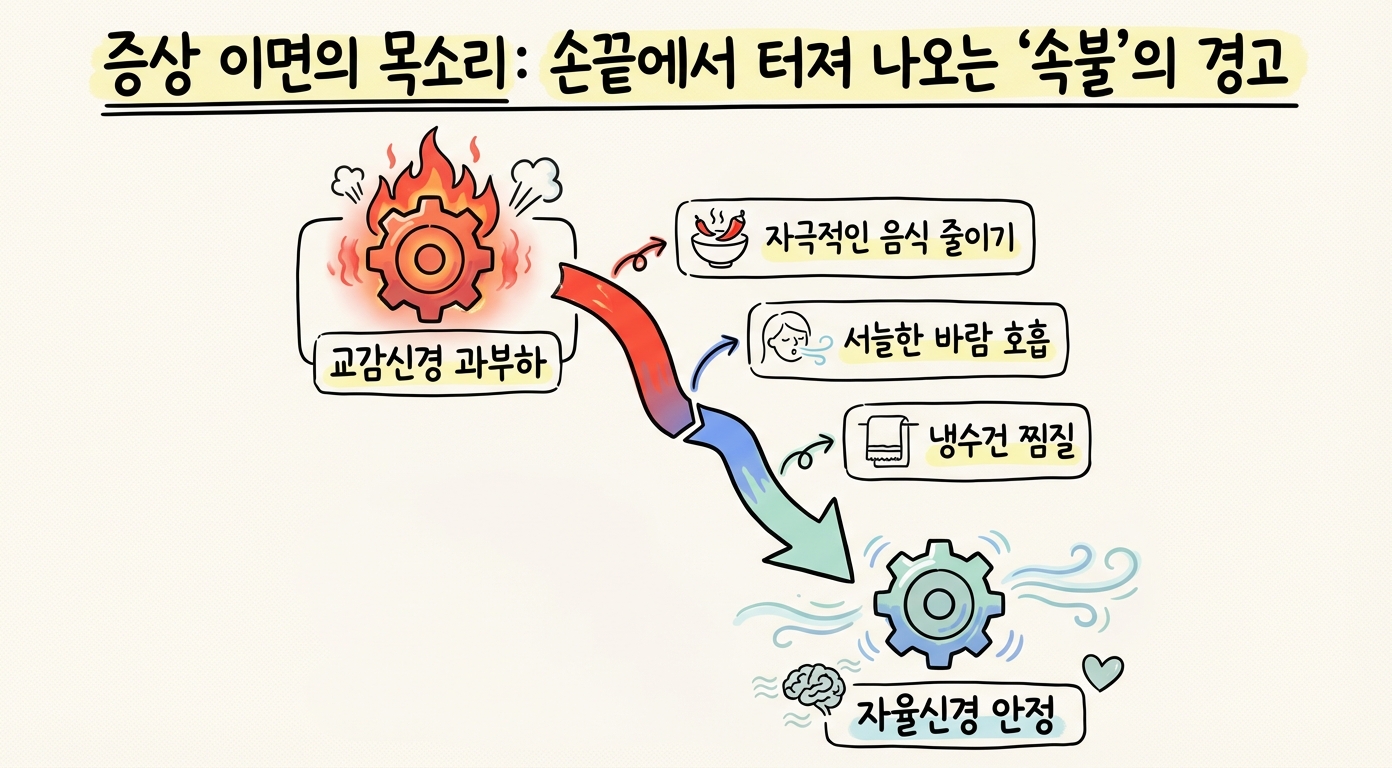 Daily Changes That Bring Gentle Rain to the Parched Land
So is there a way to escape this relentless cycle of itching and pain and reclaim smooth hands?
In Myung-hun's case, the core of the problem was the irregular eating habits from running the restaurant until late at night and the state of extreme tension that continued without pause.
This was like an engine in an overheated state — running at full speed without rest, spewing intense heat — unable to release the heat trapped in the body and constantly inflaming the skin.
The first step in treatment begins with emptying the stomach comfortably by reducing greasy, stimulating foods that burden digestion.
This is because when the stomach rests comfortably, unnecessary heat does not arise and the body's internal drainage system can regain its function.
In addition, I recommend stepping away from the hot, poorly ventilated kitchen whenever possible and breathing in the cool breeze — taking deep, slow breaths that expand the chest.
Even without grand exercise routines, this small daily act of emptying helps cool the suppressed heat concentrated in the upper body and supports autonomic nervous stability.
When the itch becomes unbearable at night and wells up intensely, rather than scratching blindly and creating wounds, gently covering the affected area with a cold damp cloth helps to softly calm the heat sensation — and this is very helpful.
This is because when skin temperature drops, the activity of the neurotransmitters that trigger the itch sensation becomes dulled.
However, when small blisters have already merged and burst with heavy weeping and swelling accompanying concern about secondary infection, it is safest not to attempt self-disinfection or treatment, but to promptly seek professional help at a medical institution.
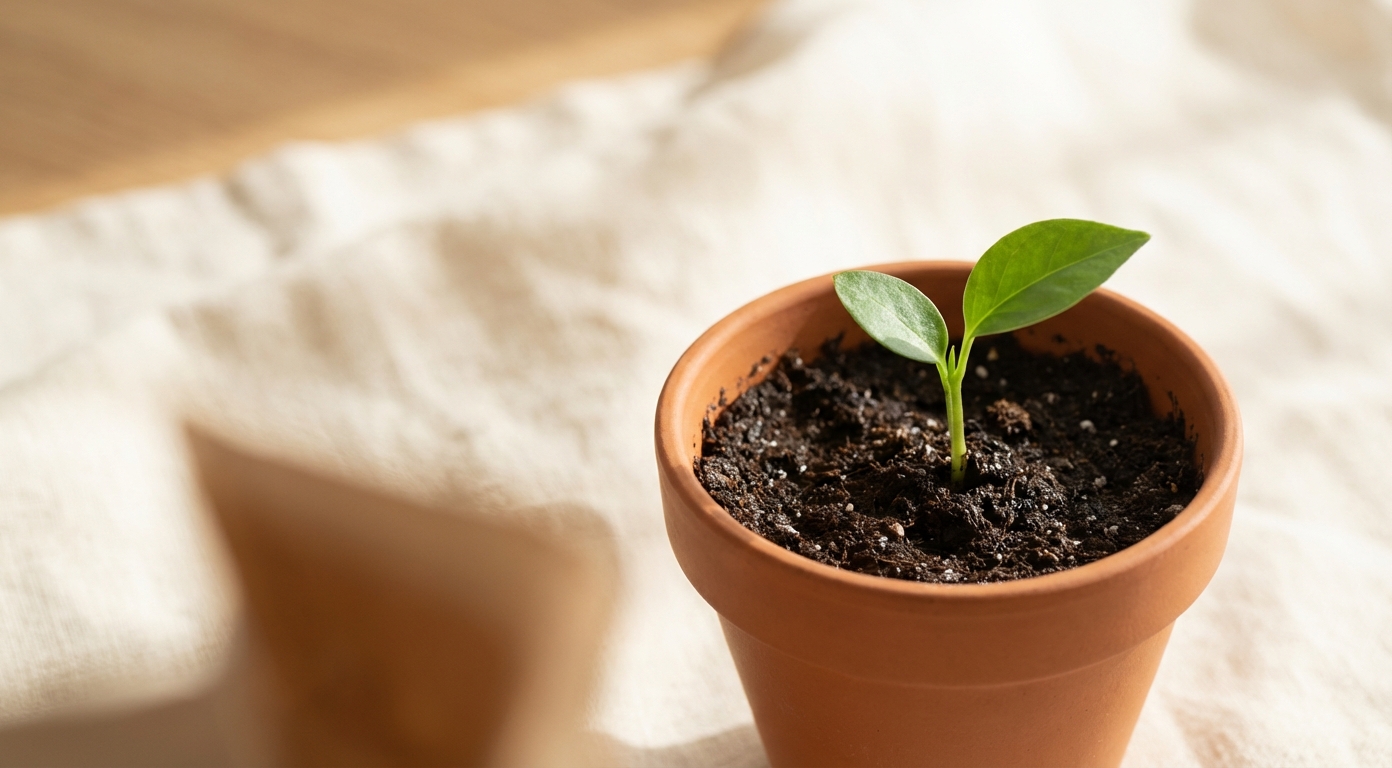 The Journey of Recovery: Time to Transform the Body's Soil Beyond Ointment
Our true goal in managing chronic skin disease is not to immediately cover visible blisters with strong ointment or temporarily mask the itch.
This is not the shallow prescription of simply snipping off the dry leaves of a plant — it must be the process of soil improvement: nurturing the entire field's soil to be full of life, by helping clear qi and blood circulate throughout the body and filling in the dried-up fluids deep within.
Not simply suppressing symptoms, but creating a strong and fertile foundation for the body to manage and overcome inflammation on its own.
Listen to the signals your body sends and quietly look within at the wounds inside.
Your body has been silently enduring the heavy weight of life and fatigue — and now, unable to bear it any longer, it is sending out a desperate rescue signal in red through your hands and feet.
If, like carefully untangling a tangled ball of thread, you slowly bring down the heat accumulated in the digestive system, supplement the depleted fluids, and address the causes one by one, your body will demonstrate the remarkable resilience to return on its own to its original healthy state.
My role is to find together with patients the hidden key to recovery, leading the parched body and mind to breathe harmoniously and comfortably once again.
Even if not through me, please find a warm healthcare provider — one who does not look only at the red skin and surface symptoms in fragmented isolation, but who can also carefully share in the weight of your exhausted life and daily hardship.
May you quickly escape the fear of burning pain and recover a whole and peaceful daily life.
Reviewed by Dr. Choi Jang-Hyuk, Director of Dongjedang Korean Medicine Clinic
Skin
"Every change of season my hands and feet turn red and peel" | Chronic dyshidrotic eczema in a 50s self-employed person
View Program