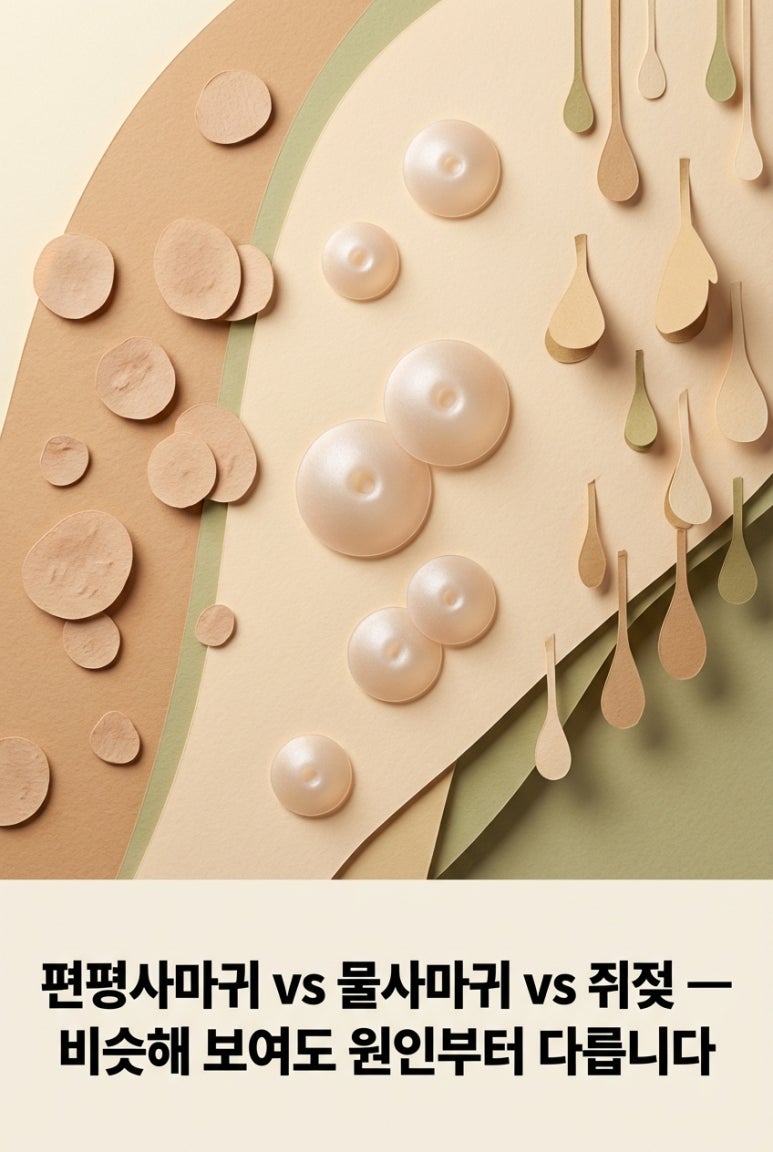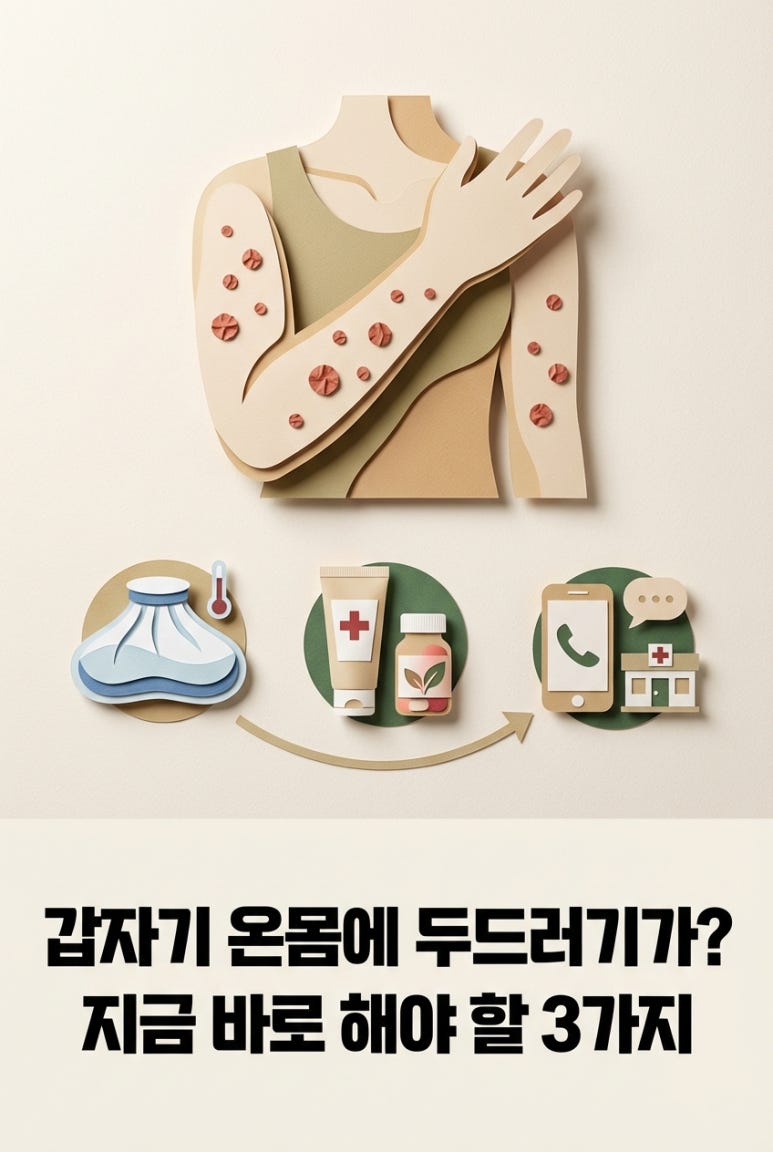

"Every night my whole body itches so much I scratch until I bleed" | Chronic urticaria of unknown origin and sleepless nights

 People Who Fear the Night — The Story Hidden Behind the Itch
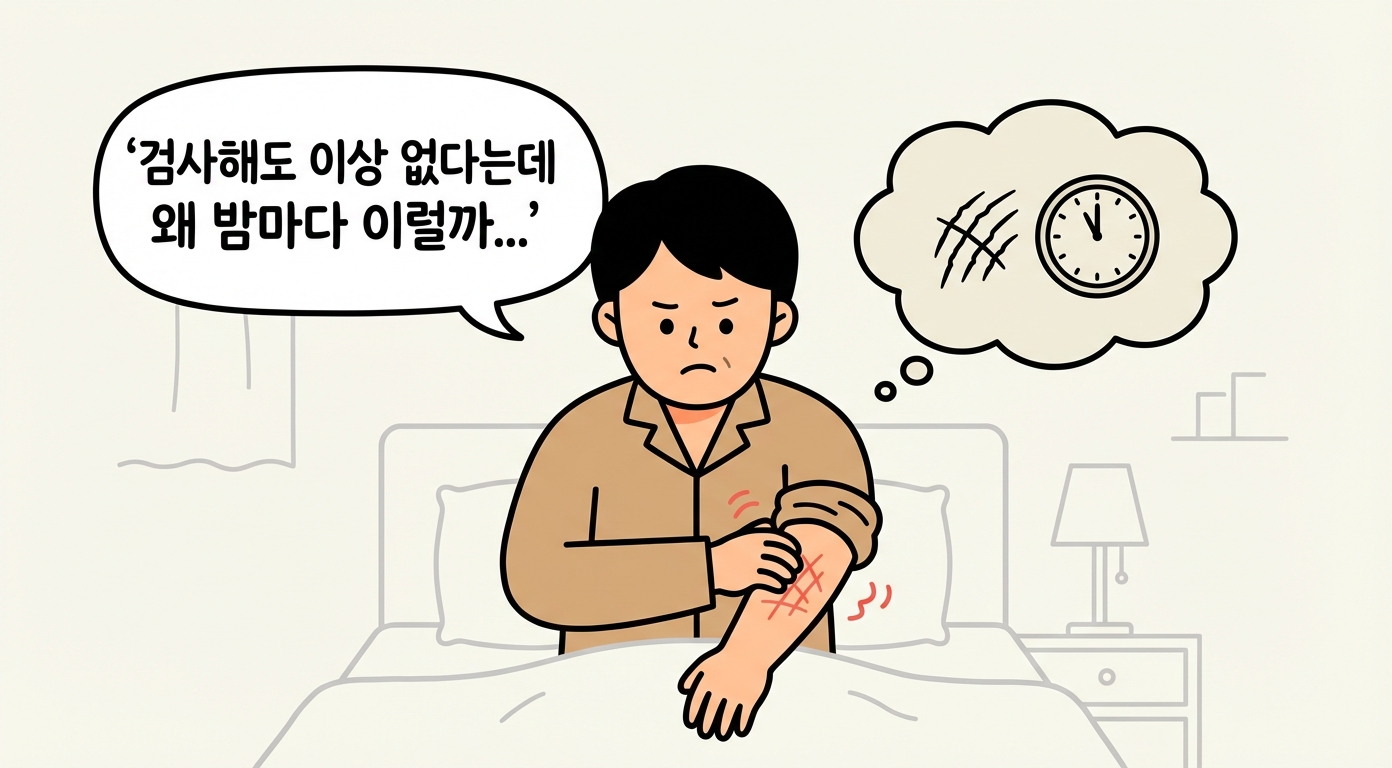
"Every night my whole body itches so badly I scratch until I bleed.
I'm fine during the day, but as soon as I shower and get under the covers, it starts.
In the morning I see red scratch marks all over me."
These were the words of Sun-young (pseudonym), a woman in her mid-thirties working as a marketing team leader, when she first came to see me.
Last autumn, Sun-young took on a major project at work and her overtime hours increased sharply. Around that same time, small hives began appearing on the inside of her arms every evening.
At first she visited a dermatologist.
Antihistamines would calm the symptoms, but they returned within two or three days of stopping the medication.
She tried three different dermatology clinics and underwent allergy testing, but no clear allergen was identified.
"The tests showed nothing — so why is this happening to me?"
Sun-young's voice was filled with exhaustion and frustration.
The itching calls for scratching, scratching damages the skin, damaged skin becomes a source of self-consciousness, the stress takes away sleep, and with less sleep the itching grows worse.
Caught in this vicious cycle, she said, "I'm scared this might go on for the rest of my life."
I did not view Sun-young's symptoms as a simple skin allergy.
What caught my eye was the pattern — fine during the day but worsening at night — and the fact that it had started at a time when overwork and sleep deprivation overlapped.
Every time I hear such stories, I feel deep empathy for the patient.
For some people, night is the time to set down the fatigue of the day — but for others, it is when the battle with the itch begins.
So why does the itch come at night?
 The Alarm the Skin Sounds — Why It Won't Stop
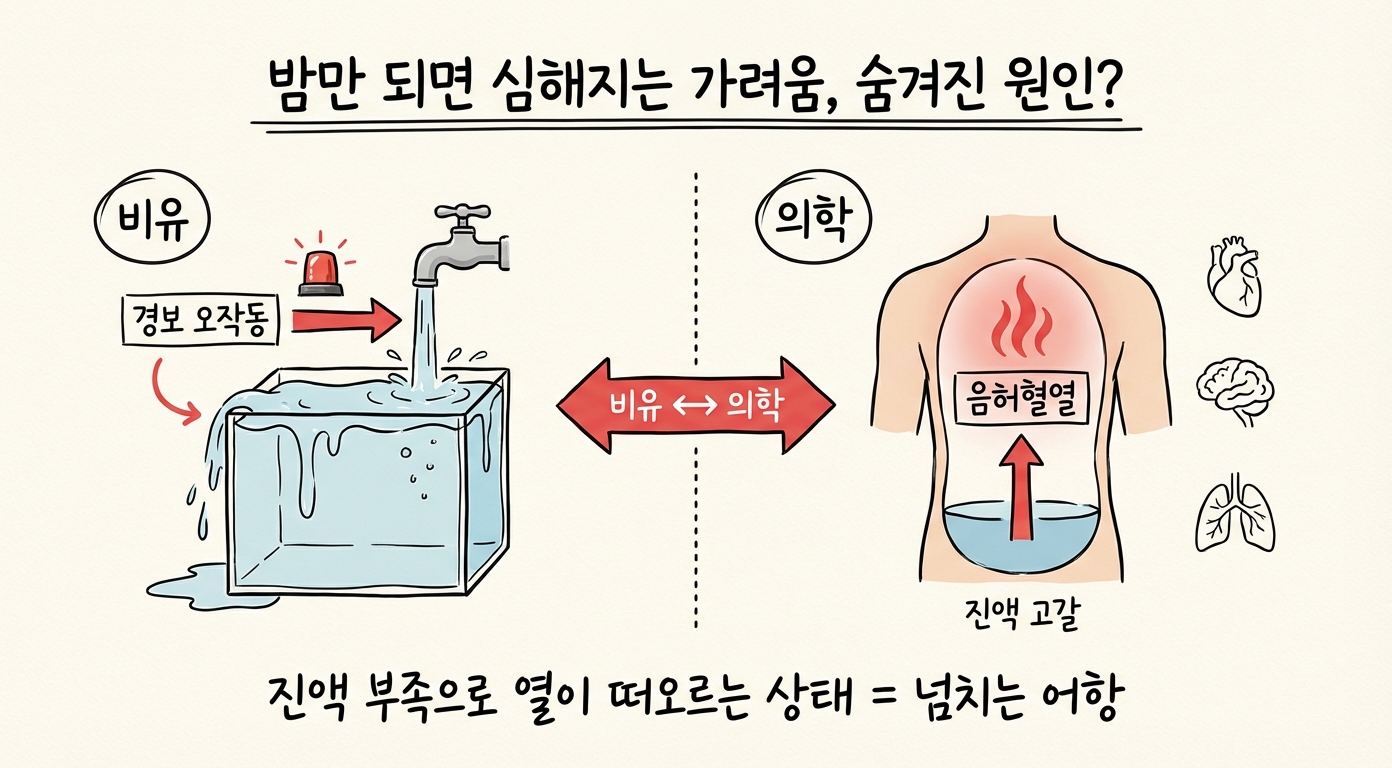
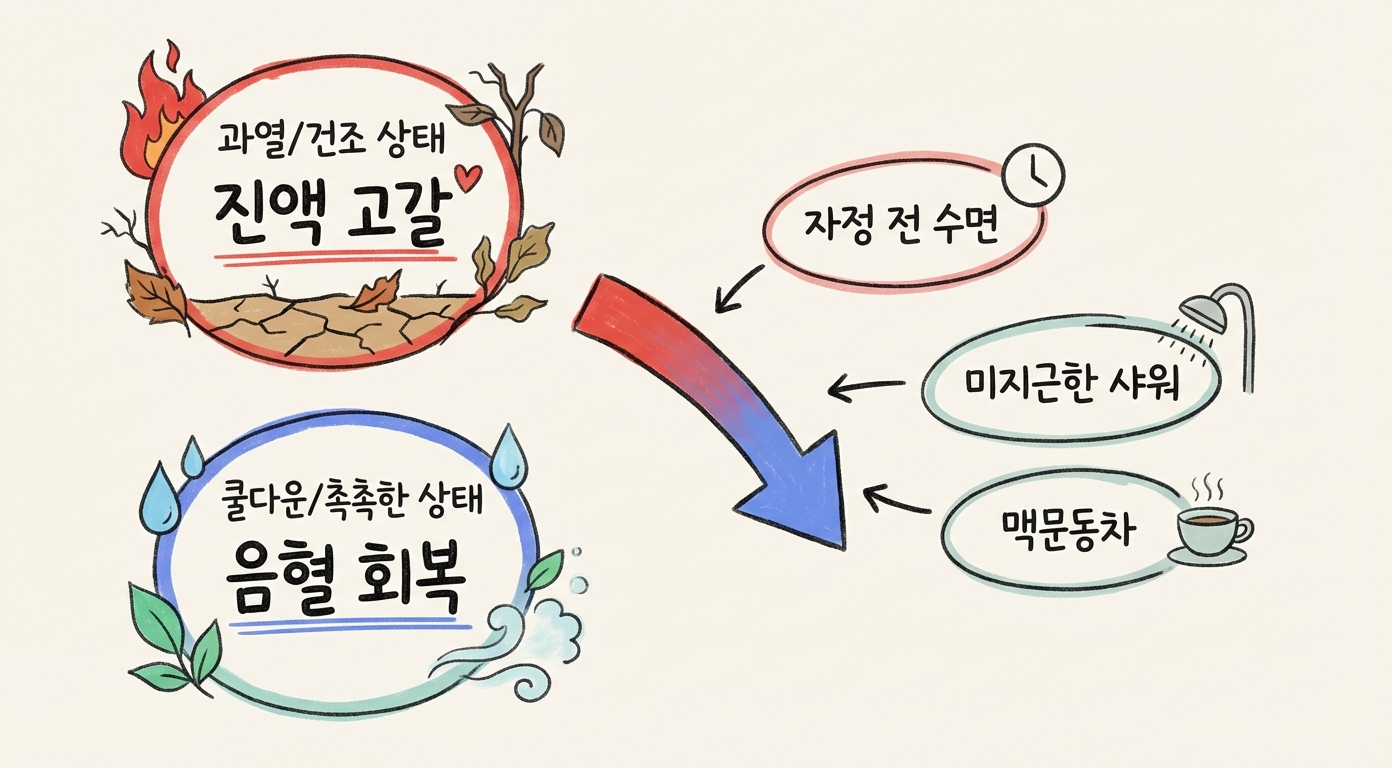
In Korean medicine, this condition is viewed through the lens of 음허혈열(陰虛血熱) — yin deficiency with blood heat.
Simply put, the body's fluids and blood become depleted, leaving the body unable to cool its internal heat, which then rises toward the skin.
During the day, qi circulates through activity, so this heat does not surface dramatically — but when night falls and the body grows still, the deficient yin and blood can no longer hold the heat in check.
It is similar to an alarm system malfunctioning.
An alarm is supposed to sound only when there is genuine danger, but when the system becomes oversensitive, it goes off at the slightest trigger.
This is exactly the state of a chronic urticaria patient's skin.
Modern medicine calls this chronic spontaneous urticaria, explaining it as a condition in which mast cells in the skin overreact — without any specific allergen — and release histamine.
Antihistamines block the action of this histamine and temporarily stop the itching, but they do not address why the mast cells became hypersensitive in the first place.
I often compare this to an overflowing fish tank.
When water overflows from a tank, wiping the floor is urgent — but the real task is to turn off the tap and regulate the water level.
Overwork and sleep deprivation dry out the body's fluids, the dried-out body generates rising heat, the heat stimulates immune cells in the skin, and the stimulated immune cells trigger inflammation — creating a loop in which symptom and cause endlessly fuel each other.
 So Can We Escape the Nightly Itch?
The first step is loosening this vicious cycle through daily habits.
As I told Sun-young, for those whose nighttime itching is severe, even going to bed a little earlier can help.
In Korean medicine, the period between 11 p.m. and 1 a.m. is considered the time when yin and blood recover — staying awake through these hours means the body loses its chance to replenish its fluids.
Showers are better taken briefly with lukewarm water rather than hot.
Hot water strips the skin's protective lipid layer and dilates blood vessels, further aggravating the itch.
Cotton sleepwear and bedding causes less skin irritation than synthetic fabrics.
Diet also deserves attention.
Spicy and greasy foods, alcohol, and late-night snacks are among the leading factors that stoke internal heat.
Conversely, foods that replenish body fluids — such as pear, lotus root, lily bulb (百合), and ophiopogon tea — offer gentle support for a body suffering from yin deficiency.
However, if the hives swell severely around the lips or eyes, or if you feel tightness in the chest or a constricting sensation in the throat, you must go to an emergency room without delay.
These may indicate angioedema or anaphylaxis, which require immediate treatment.
 From a Stagnant Pool to a Clear-Flowing River
Three months later, Sun-young said she was having more nights where she could fall asleep without itching.
Not by suppressing symptoms alone, but by gradually changing the body's environment — a process that was bearing fruit little by little.
Making the water of a stagnant pool clear again, and returning it to a freely flowing river, takes time and sustained effort.
Please listen to the signals your body sends.
The itch that comes every night may be your body's way of saying, "Something is lacking in me right now."
Your body has a remarkable capacity for recovery.
But finding the key to that recovery can feel overwhelming to face alone.
My role is to be a companion who helps find that key together.
Even if not through me, I sincerely hope you find a healthcare provider who looks carefully not just at the surface of the skin but at the whole body.
✍️ Reviewed by Dr. Choi Jang-Hyuk, Director of Dongjedang Korean Medicine Clinic
Skin
"Every night my whole body itches so much I scratch until I bleed" | Chronic urticaria of unknown origin and sleepless nights
View Program