Subway Stomach Ache on the Morning Commute - Ignoring It Will Make It a Disease

 🧾 Answer First | Key Conclusion
Hello.
I am Dr. Choi Jang-hyuk, director of Dongjedad Korean Medicine Clinic.
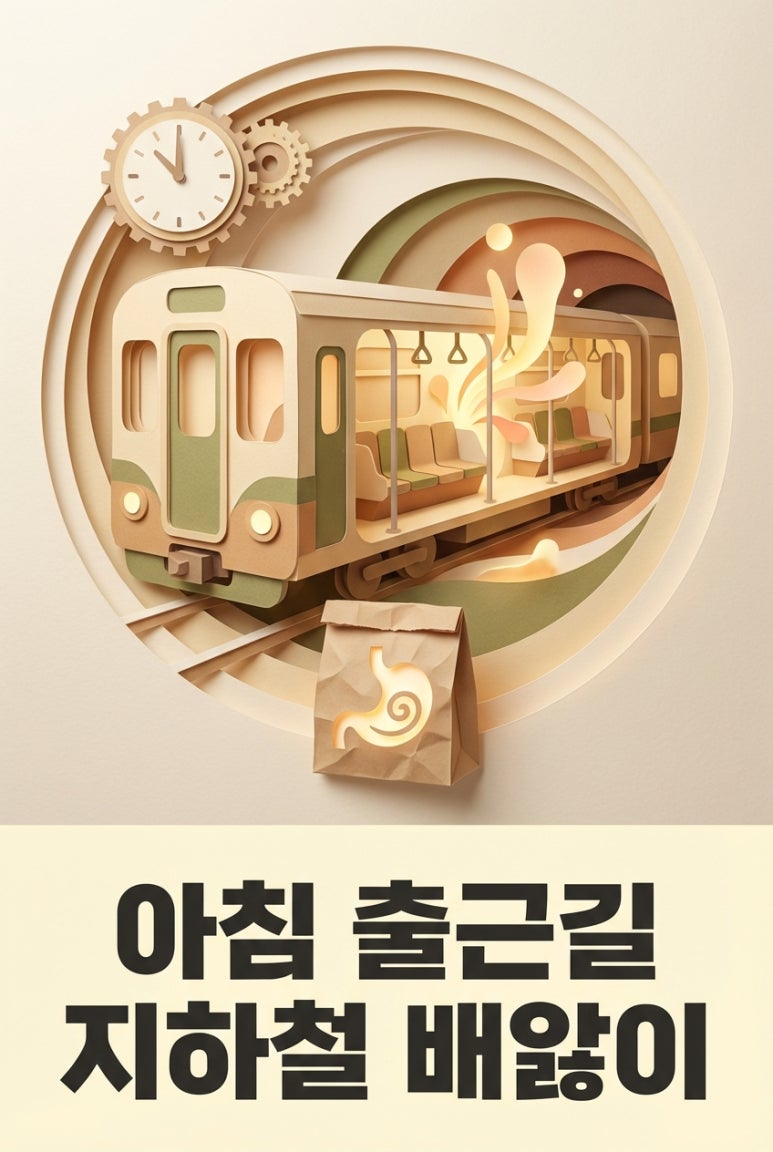
Have you ever experienced stomach pain and cold sweats whenever you take the subway on your way to work in the morning?
Do you look for a restroom first thing every morning?
If you find yourself in severe distress wondering whether you need to get off in the middle, pay close attention to this article.
You must never rely solely on antidiarrheal or antispasmodic medications taken to quickly extinguish the fire.
The real cause of repeated indigestion and sensitive intestines is not simply eating the wrong foods.
Rather, it is autonomic nervous system imbalance caused by stress that is the root cause.
You need to warm your cold abdomen both internally and externally.
You must gently release the tension in your taut nerves, and only then will this tiresome symptom be fundamentally resolved.
From now on, just follow the 3 tips I'm about to share with you starting tomorrow morning.
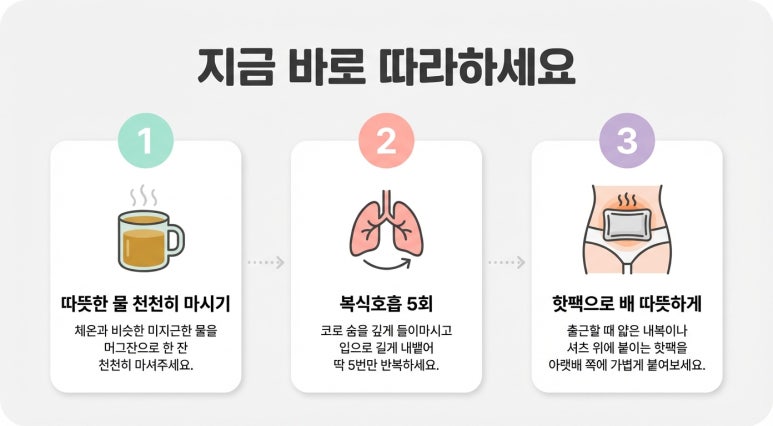 ✅ Action | Immediate Implementation
Starting tomorrow morning as you prepare for work, practice these three things.
1️⃣ Slowly drink a glass of warm water immediately after waking up
If you gulp down cold water right after waking up, your sensitive intestines, which have been hardened overnight, will be startled and contract strongly.
Fill a mug with lukewarm water similar to body temperature or slightly warm water and drink it slowly.
It gently expels waste accumulated in your digestive system overnight.
It's an excellent warm-up that gently releases the tension in your hardened intestines.
2️⃣ Practice abdominal breathing 5 times before boarding the subway
Before passing through the turnstile or while waiting for the train, take a deep breath through your nose and exhale slowly through your mouth.
Simply repeating this 5 times while feeling your belly inflate will immediately supply clear oxygen to your tense brain.
The parasympathetic nervous system, which relaxes our body, activates immediately.
You will feel approximately 70% of your body and intestinal tension subside within 3 minutes.
3️⃣ Keep your abdomen warm with a heat pack
When commuting, gently apply a heat pack that sticks to thin thermal underwear or a shirt on your lower abdomen.
Even raising the temperature around your abdomen by just 1 degree significantly improves blood circulation to your hardened intestines.
The warmth greatly reduces irregular intestinal cramping.
This is remarkably effective in preventing sudden abdominal pain experienced during the morning commute.
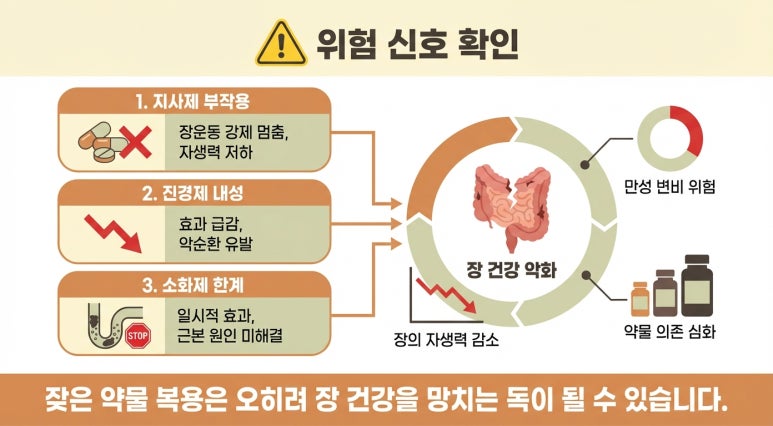 🚨 Warning | Warning Signs You Must Check
Frequent medication use can actually poison your intestinal health.
✔ The Dangerous Trap of Irritable Bowel Syndrome Medications for the Morning Commute
Medication for stomach pain is a temporary anesthetic.
Antidiarrheal medications that forcibly stop intestinal movement greatly diminish your intestines' natural healing ability.
This can eventually lead to severe chronic constipation that is much more difficult to treat.
✔ Sharp Decrease in the Effectiveness of Antispasmodic Medications for Subway Stomach Pain
Antispasmodic medications that reduce the cramping sensation of the intestines also show dramatically decreased effectiveness in our bodies over time. Frequent use easily triggers drug resistance to nervous gastritis medications. It creates a vicious cycle that drives you to seek increasingly stronger and more potent drugs.
✔ Limitations of Digestive Aids for Stomach Pain
Many people habitually take digestive aids like Gas活 or commercial digestive medications due to frequent indigestion symptoms, even when they haven't overeaten. Without addressing the fundamental nerve tension, the medication effect is only temporary, and you quickly hit the limits of treatment. Rather than relying on medication, you must build the intestines' own ability to recover.
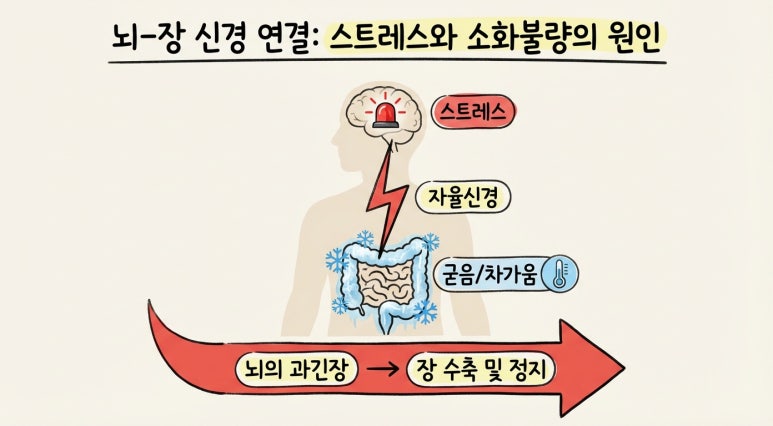 🧠 The Why | Root Cause Analysis
So why does your stomach hurt specifically during the morning subway commute and not at home or work?
Your brain and digestive system are connected by a strong rope called the autonomic nervous system.
Let me explain the nerve connection between your brain and intestines in detail.
When you face a stressful situation you want to avoid, like going to work, your body's sympathetic nervous system becomes excessively excited.
This is like when a loud fire alarm suddenly blares throughout an entire building, causing your whole body to tense up.
Sensing an emergency, your body concentrates blood flow intensively to your brain and muscles for survival.
Blood flow to your digestive system drops dramatically.
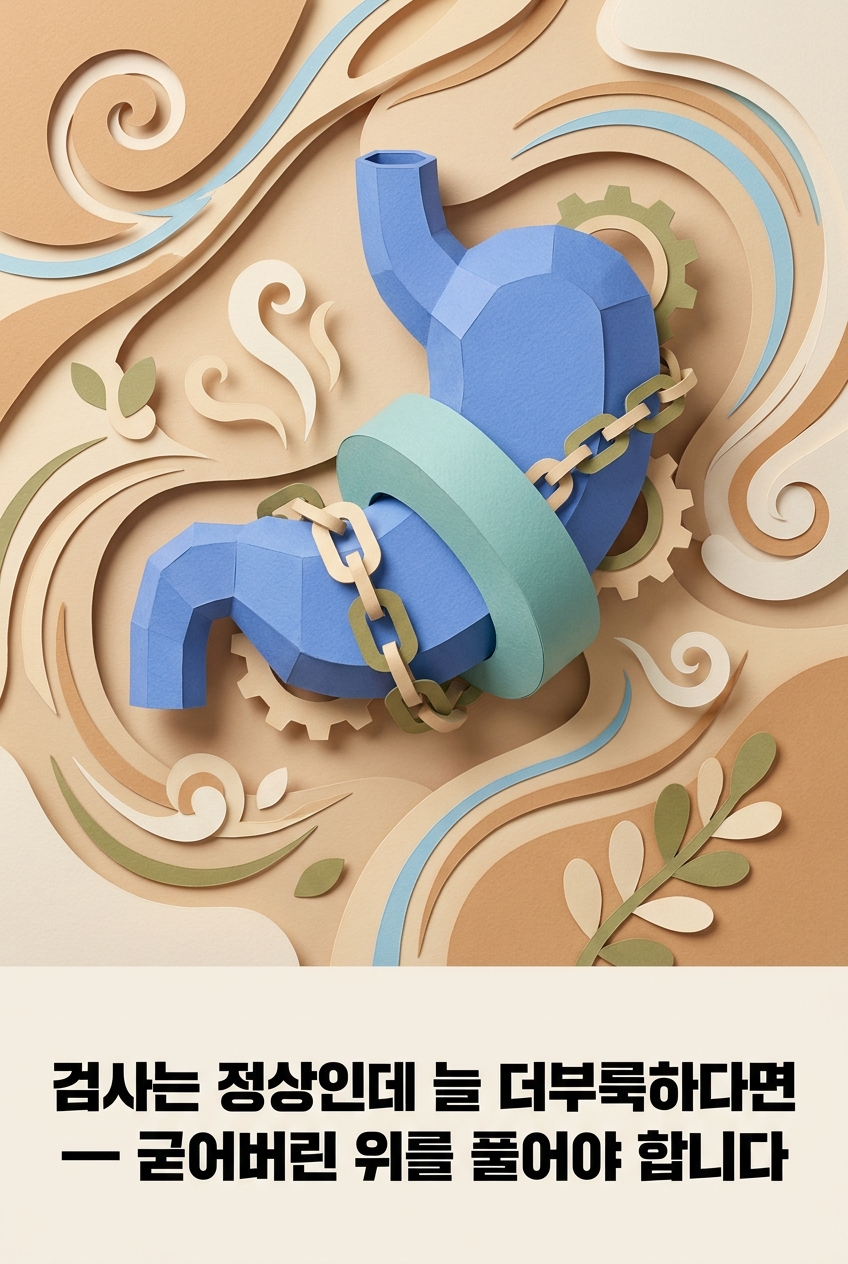
As a result, your intestinal walls become hardened and digestive secretion stops.
In this state of over-tension, even the smallest stimulus that would normally be harmless causes your intestines to contract abnormally and strongly. Your stomach aches, gas builds up, and you suddenly feel an urgent need to have a bowel movement. In other words, your intestines themselves are not damaged. The core issue is that when your mind is anxious and tense, your intestines also shut down. Only by gently releasing the tension in your brain that controls your intestines, as if flipping a switch off, can your morning commute become comfortable.
📊 Proof | Cases and Evidence
This is the story of a man in his late 30s who works at a company and whom I have personally treated in my clinic.
He carried antispasmodic medications and antidiarrheal agents in his bag every day for over a year.
However, the medication's effects lasted less than 2 hours.
When he stopped the medication, symptoms severely recurred the next day.
When I took his pulse and conducted abdominal examination, his abdomen was as cold as ice.
The pulse at his wrist was tense like a drawn bowstring.
I immediately began moxibustion treatment to deeply warm his abdomen.
I prescribed customized herbal medicine to stabilize his taut autonomic nervous system.
Exactly 4 weeks after beginning treatment, this patient was able to commute on the subway every morning comfortably without antidiarrheal medication.
According to the British Medical Journal and various studies, acupuncture and moxibustion treatment in Korean medicine improves symptoms of stress-related gastrointestinal diseases by over 80%[4].
Among the patients I've seen in my clinical practice, over 80% experience such remarkable improvement within the first month.
 🔚 Closing | Summary and Encouragement
I understand and empathize with the weight of that suffering you endure every morning, sweating in anxiety and searching for a restroom.
From now on, don't suffer alone or just get by with temporary remedies that damage your body.
You must comfort your hardened intestines with warmth and ease.
This is a condition that can definitely improve if you fundamentally stabilize your taut nerves.
Dongjedad Korean Medicine Clinic will take full responsibility and help you until the end so that your feared morning commute is filled with vitality instead of anxiety.
Please visit our clinic with a peaceful mind anytime.
✍️ Reviewed by Dr. Choi Jang-hyuk, Director of Dongjedad Korean Medicine Clinic
❓ FAQ
Q. Why does my stomach hurt and I have diarrhea even when I don't eat breakfast and commute on an empty stomach?
It's not a food issue but rather your intestines are overly tense due to stress.
Regardless of food intake, when you enter the stressful state of commuting, your autonomic nervous system is severely disturbed.
This causes your intestinal movement to become abnormally accelerated or causes severe cramping.
You pass loose stools without absorbing water properly.
Q. Is it safe for my body if I take commercial antidiarrheal medications daily whenever I feel anxious?
I absolutely do not recommend it.
Antidiarrheal medications forcibly stop intestinal peristalsis and only temporarily mask symptoms.
If you habitually take these daily, your intestines completely lose their natural ability to move on their own.
Eventually, you reach a state where you cannot have a bowel movement without medication.
This can lead to intestinal atony where your intestines cannot move on their own, or severe constipation, so you must be very careful.
Q. How does Dongjedad Korean Medicine Clinic treat daily repeated irritable bowel syndrome in the morning?
Through acupuncture, moxibustion, and customized herbal medicine, we stabilize your disrupted autonomic nervous system and fundamentally warm your cold intestines. We gently calm excessive sympathetic nervous system excitement to comfortably restore the nerve connection between your brain and intestines. Rather than just masking symptoms, we actively promote abdominal blood circulation. All our treatment focuses on restoring self-functioning intestinal function.
📚 References
[Western Medicine]
[1] BMJ Best Practice (2023). "Irritable bowel syndrome - Management"
[2] NICE (2017). "Irritable bowel syndrome in adults: diagnosis and management"
[Korean Medicine]
[3] Korean Academy of Oriental Medicine CPG (2021). "Clinical Practice Guideline for Irritable Bowel Syndrome in Oriental Medicine"
[4] Journal of Korean Acupuncture & Moxibustion Society (2019). "Research on the Efficacy of Acupuncture and Moxibustion Treatment for Stress-Related Gastrointestinal Disorders"