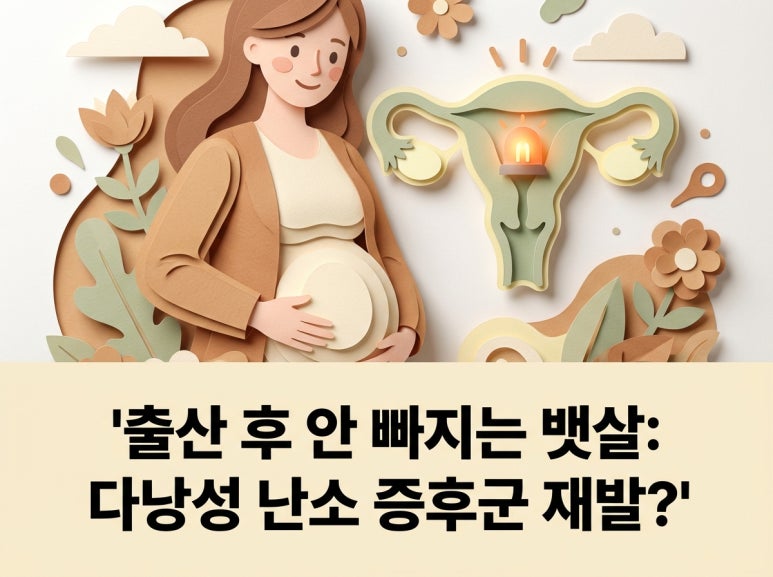
Postpartum Belly Fat That Won't Go Away—Could It Be a Sign of PCOS Recurrence?
 🧾 Answer First | Core Conclusion
If belly fat persists even after 6 months postpartum, it is not just ordinary fat.
Especially if you had polycystic ovary syndrome before pregnancy, it is likely a sign of recurrence.
Abdominal obesity is physical evidence that insulin resistance has worsened[1].
If left unaddressed, this leads to secondary infertility or metabolic diseases such as diabetes.
It is time to check your metabolic function rather than blame your willpower alone.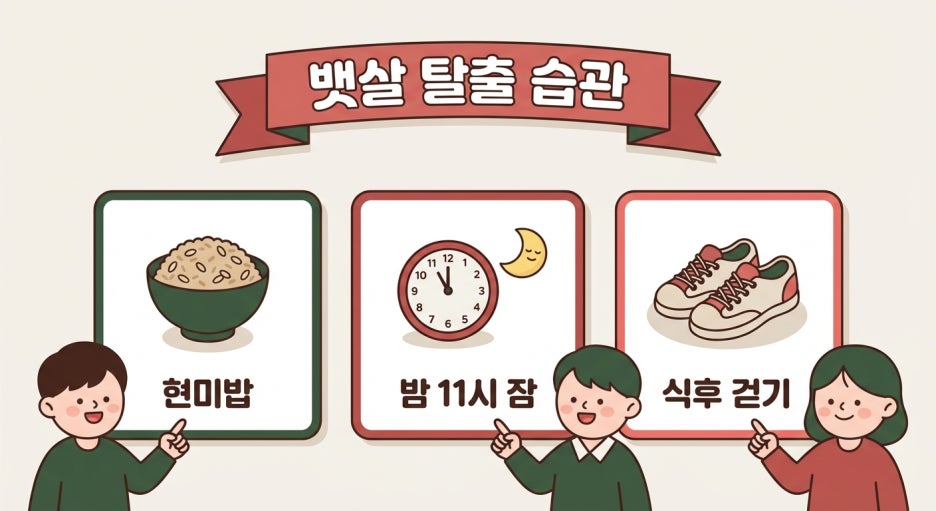 ✅ Action | Immediate Steps
To correct hormonal imbalance, you must change three things starting today.
1️⃣ Eliminate Refined Carbohydrates
Instead of bread and rice cakes, eat coarse grains like brown rice or oats.
Slowly rising blood sugar can calm down hyperactive insulin.
2️⃣ Protect Your Sleep Schedule
Try to fall asleep between 11 PM and 3 AM.
Sleep deprivation triggers appetite hormones and prevents belly fat reduction[1].
3️⃣ Walk for 20 Minutes After Meals
Light walking after meals is more effective for belly fat management than elaborate exercise.
It allows muscles to use postprandial blood sugar immediately, preventing fat accumulation.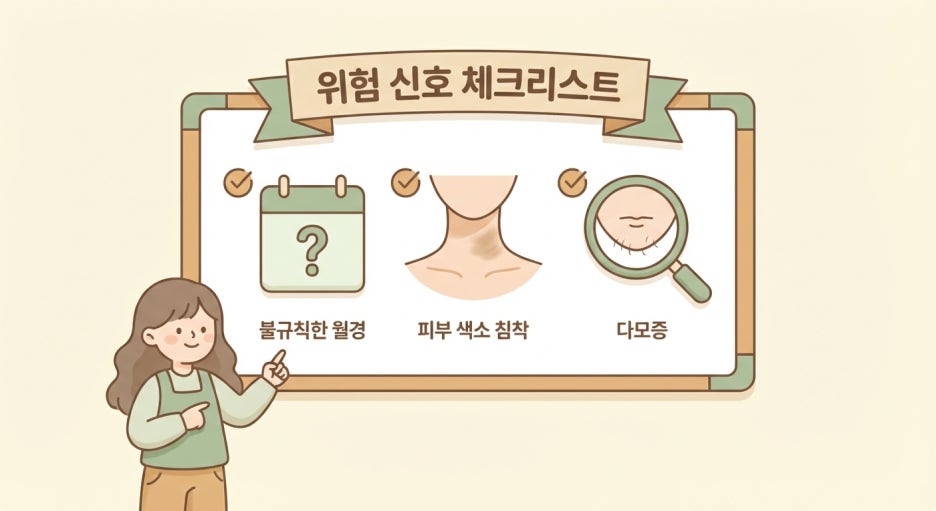 🚨 Warning | Warning Signs That Must Be Checked
If the following symptoms appear along with belly fat, diagnosis beyond self-care is necessary.
✔ Worsening Menstrual Irregularity
When your period returns but the cycle becomes longer than 35 days or becomes irregular.
✔ Changes in Skin Pigmentation
When the skin on the back of the neck or armpits darkens like velvet.
✔ Increased Male-Pattern Hair Growth
When thick, dark hair suddenly grows around the chin or navel area.
These signs are the body's red alert that insulin resistance has become severe[2].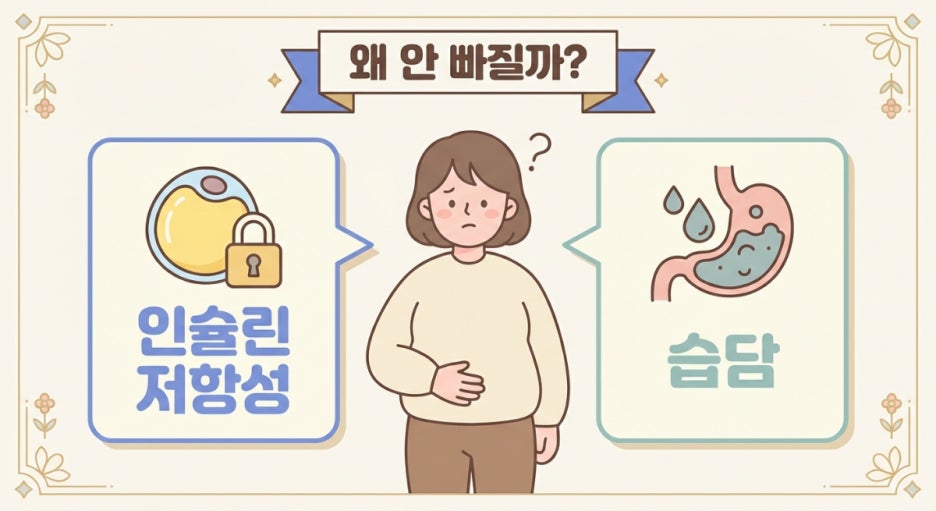
🧠 The Why
Why doesn't postpartum belly fat budge even with reduced calorie intake and exercise?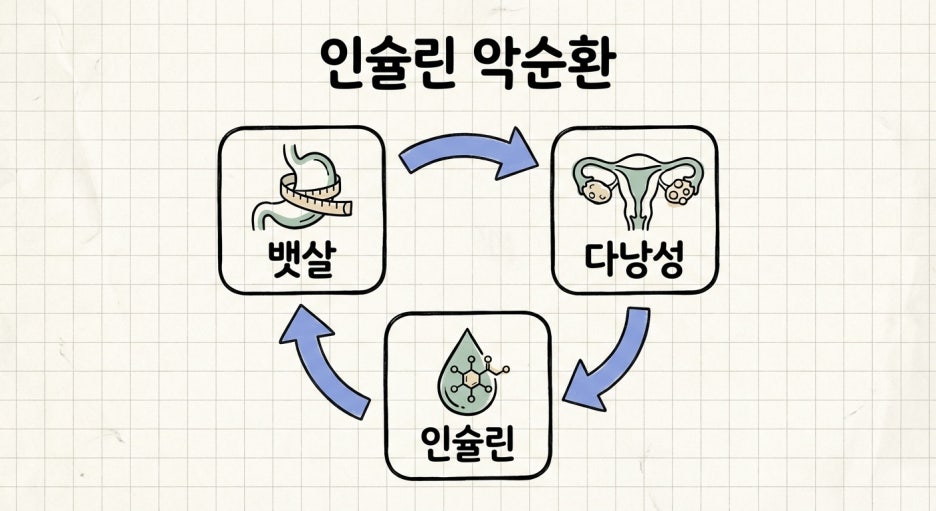 🔬 Deep Dive | Topic Summary
Explanation | Western Medical Perspective
The core cause of polycystic ovary syndrome is insulin resistance.
When the body ignores insulin hormone signals, the pancreas releases more insulin.
Excess insulin prevents fat breakdown and keeps belly fat firmly in place[1].
Explanation | Traditional Korean Medicine Perspective
After childbirth, when qi and blood become deficient, the body's ability to eliminate waste decreases.
When body fluids become turbid and accumulate, it is called phlegm dampness.
When phlegm dampness accumulates in the abdomen, even drinking water causes weight gain[3].
📊 Proof | Cases and Evidence
Research shows that women with a history of polycystic ovary syndrome experience severe postpartum weight plateau[2].
We actually had a patient who came in wearing maternity clothes one year after childbirth.
Even with diet control, her weight would not budge, and she reported depression.
We administered herbal medicine treatment to remove phlegm dampness and support metabolism.
After three months of combined lifestyle modifications, her waist circumference decreased by 5 cm.
The Korean Association of Oriental Medicine also recommends metabolic function recovery as a core treatment when obesity is present[3].
Restoring the body's function is the shortcut to weight loss.
 🔚 Closing | Summary and Encouragement
Do not blame yourself for lack of willpower when looking at belly fat that won't disappear.
When hormones and metabolic function are impaired, it is difficult to lose weight alone.
By untangling the knots in your body and promoting circulation, you can regain your health.
Rather than worrying alone, we hope you seek professional help to restore your health.
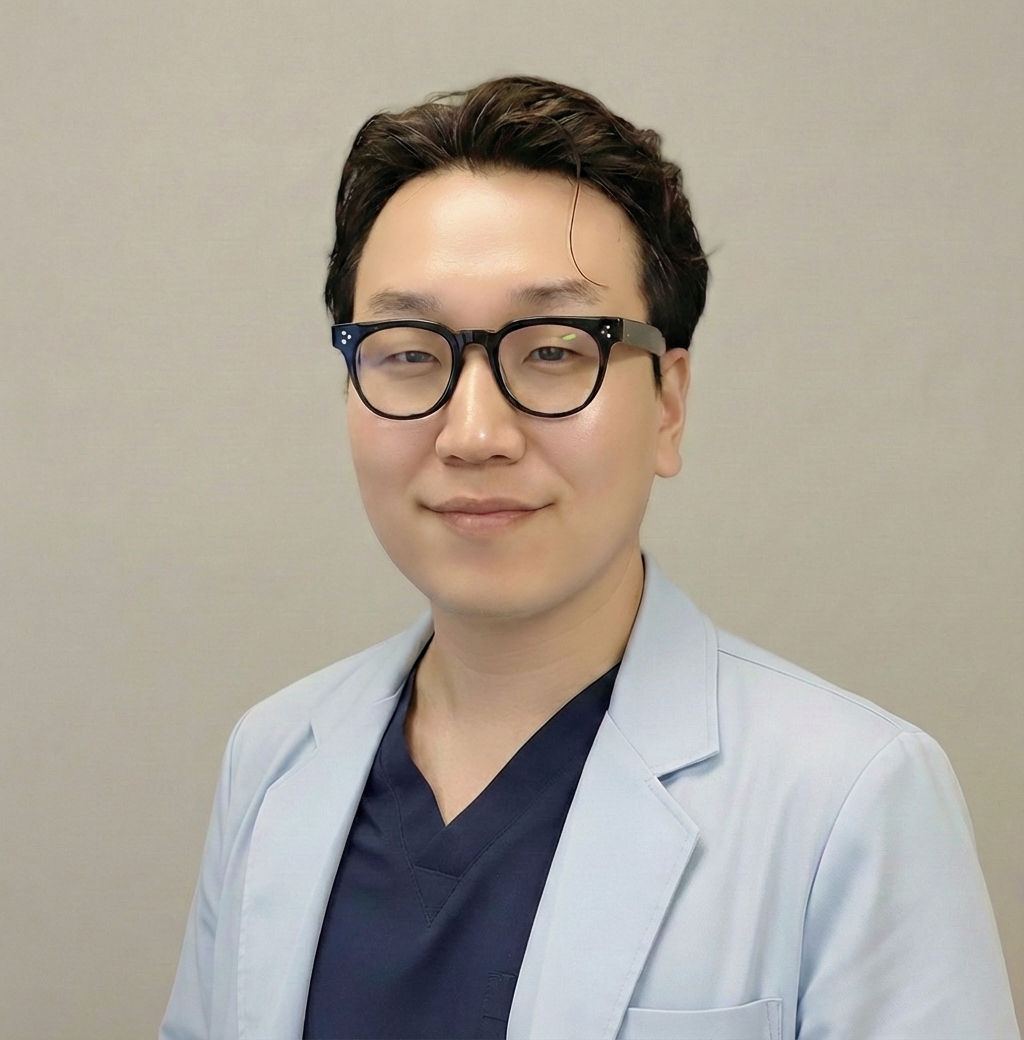
✍️ Reviewed by Director Choi Jang-hyuk, Dongjedam Oriental Medicine Clinic
❓ FAQ
Q. Is it safe to take weight loss herbal medicine while breastfeeding?
Herbal medicine that helps postpartum recovery and reduces swelling can be taken while breastfeeding.
However, strong appetite-suppressing ingredients such as ephedra may affect the baby.
You must consult with a Korean medicine practitioner to receive a prescription suited to your breastfeeding stage for safety.
Q. I am planning a second pregnancy. Should I get treatment first?
Yes, PCOS recurrence is a major cause of secondary infertility, so treatment should be prioritized.
Abdominal obesity worsens ovulation disorders and increases the risk of gestational diabetes.
For a healthy pregnancy, weight management and menstrual cycle recovery should be maintained[1].
Q. My periods are regular, but only my belly fat won't disappear. Is this still a problem?
Even if menstrual cycles are normal, severe abdominal obesity should raise suspicion of metabolic abnormalities.
Body fat percentage and waist circumference are more accurate indicators than overall body weight.
Rapidly increased belly fat after childbirth becomes a seed for future disease development.
📚 References
Western Medicine
[1] ESHRE ASRM 2023. International evidence based guideline for the assessment and management of polycystic ovary syndrome 2023
[2] Lim S S Norman R J 2018. The effect of pregnancy on the long term metabolic health of women with polycystic ovary syndrome
Traditional Korean Medicine
[3] Korean Association of Oriental Medicine 2017. Clinical practice guideline for polycystic ovary syndrome in Oriental medicine
[4] Korean Journal of Oriental Obstetrics and Gynecology 2019-2024. Research on Oriental medicine treatment for postpartum obesity and metabolic syndrome
Women's Health
Postpartum Belly Fat That Won't Go Away—Could It Be a Sign of PCOS Recurrence?
View Program