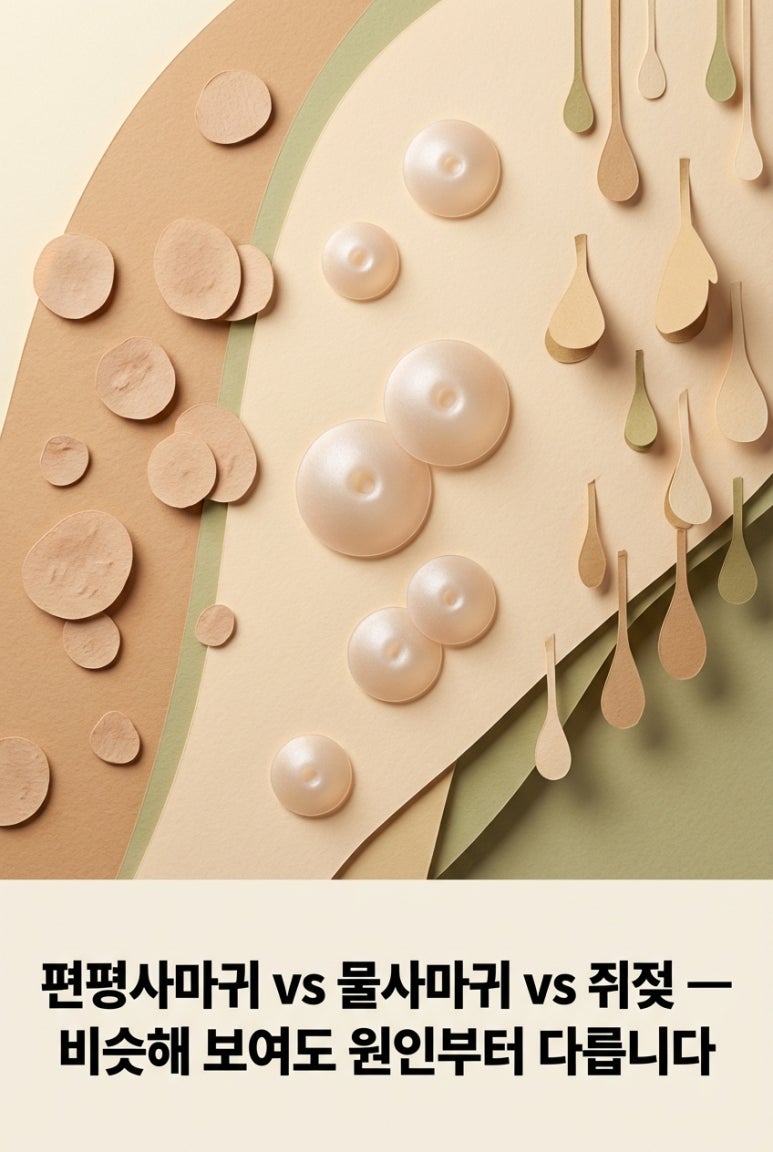

"I've been to three dermatologists but it keeps coming back" | Flat warts that keep recurring
 The Small Bumps That Keep Coming Back
"A few tiny bumps appeared on my forehead, so I did not think much of it.
But a month or two later, they had spread to my cheeks.
I went to three different dermatology clinics, and every time they removed them, they came back."
These were the words of Su-bin (pseudonym), a woman in her late twenties who worked as an academy instructor, when she first came to see me.
Su-bin taught classes from the afternoon until late at night, her meals were always irregular, and she rarely went to bed before 1 a.m.
The two or three small bumps that first appeared on her forehead a year and a half ago had actually spread further during four cryotherapy sessions and two laser treatments.
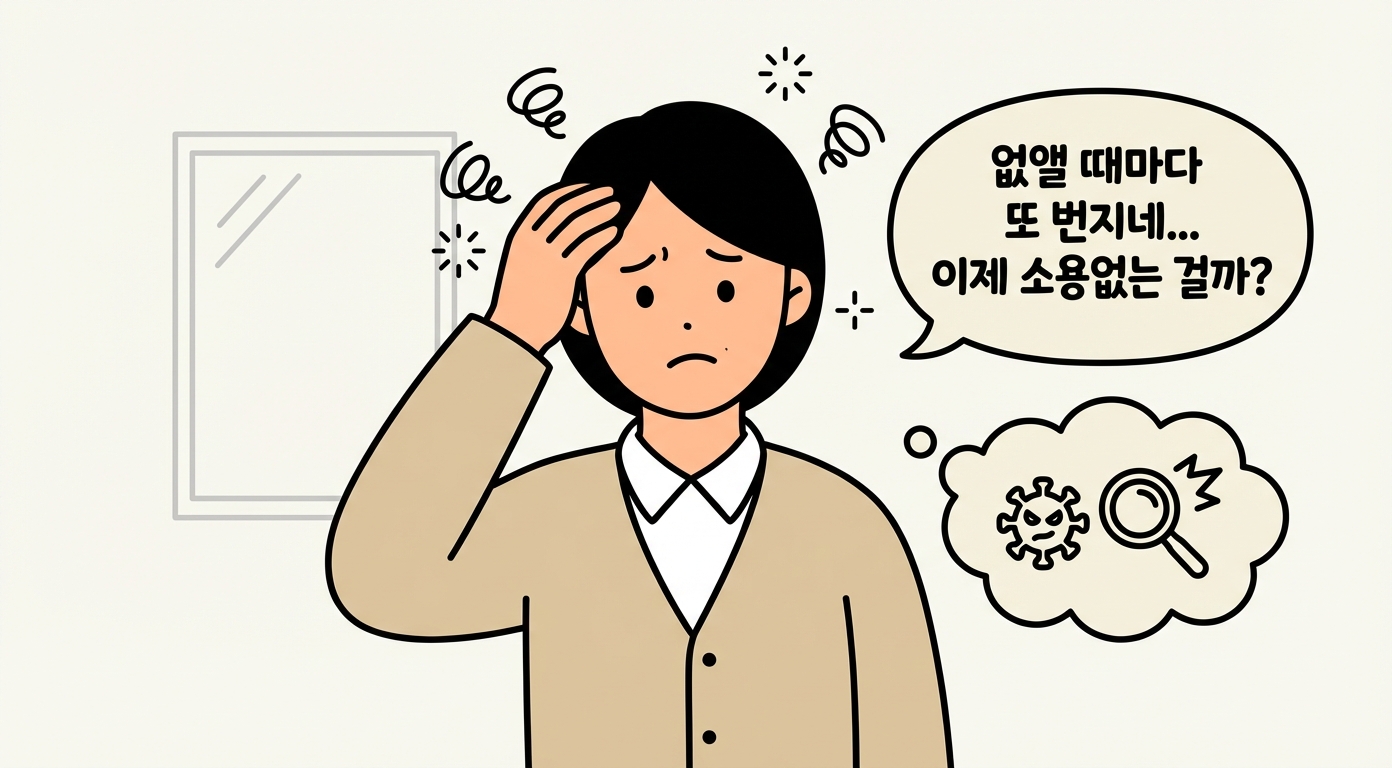
"After cryotherapy it's fine for a little while.
But when they come back somewhere else a month or two later, I start to think there's no point in getting treatment."
There was a look of helplessness in Su-bin's eyes.
She said that every time she looked in the mirror, she felt stressed, and that she had even started avoiding meeting people because of the uneven skin texture that makeup could not cover.
The dermatologists kept repeating that since it was viral, she should boost her immunity — but nobody told her specifically what to do or how.
I did not view Su-bin's condition as a problem with the warts alone.
Every time I hear stories like this, I feel deep empathy for the repeated frustration the patient is going through.
So why do warts keep coming back every time they are removed?
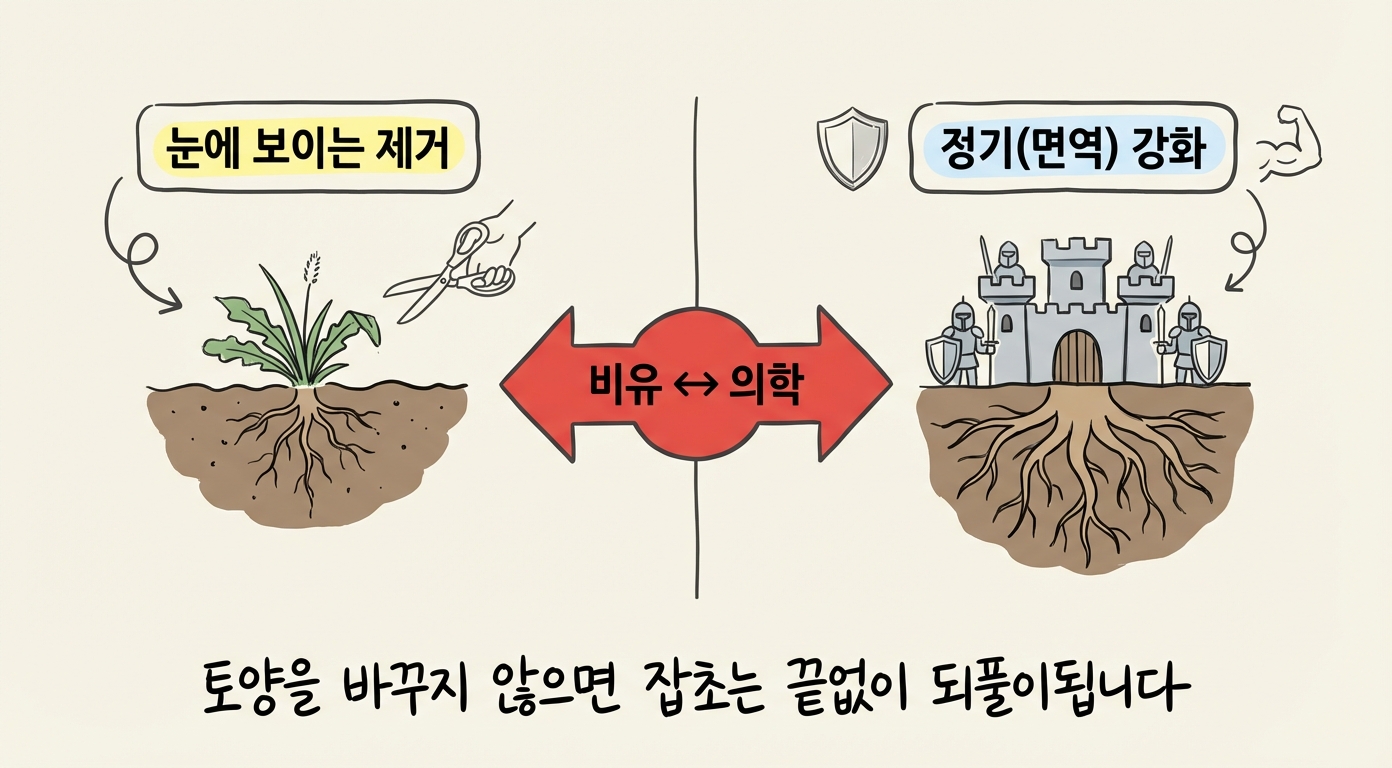 When Pulling the Weeds Does Not Change the Soil
Flat warts (편평사마귀) are small, flat bumps caused by the human papillomavirus (HPV) settling on the surface of the skin.
Modern medicine removes the visible lesions with freezing or laser treatment, but there is as yet no treatment that completely eliminates the virus itself.
Even when the visible warts are removed, the virus remaining beneath the skin resurfaces as soon as immunity weakens.
In Korean medicine, this condition is viewed through the lens of 정기허약(正氣虛弱) — deficiency of vital qi.
Vital qi (正氣) is, simply put, the body's power to protect itself — its defensive capacity.
When this defensive capacity is ample, viruses cannot gain a foothold even if they enter the body; but when vital qi is weakened, viruses gradually begin to surface on the skin.
When 풍열(風熱) — wind-heat — lingers on the surface of the skin and 습(濕) — dampness — stagnates, the perfect environment for warts to take root is created.
Think of weeds growing in a field.
If you only pull out the visible weeds, the field looks clean.
But if the soil is soggy and the nutrients are imbalanced, within a few days weeds will push back up in the same spot — or right next to it.
Unless you change the soil itself, the weeds will keep returning endlessly.
You might also think of the body's immune system as sentinels guarding a castle wall.
When the sentinels are healthy and alert, intruders cannot get through the gates.
But when the sentinels are exhausted and beginning to doze, intruders come and go through the gates at their leisure.
This is exactly what was happening repeatedly in Su-bin's body.
When immunity weakens, the virus runs rampant; the recurrent warts bring stress, and that stress pulls immunity down further.
Breaking this cycle — in which each factor worsens the other — is the key to treatment.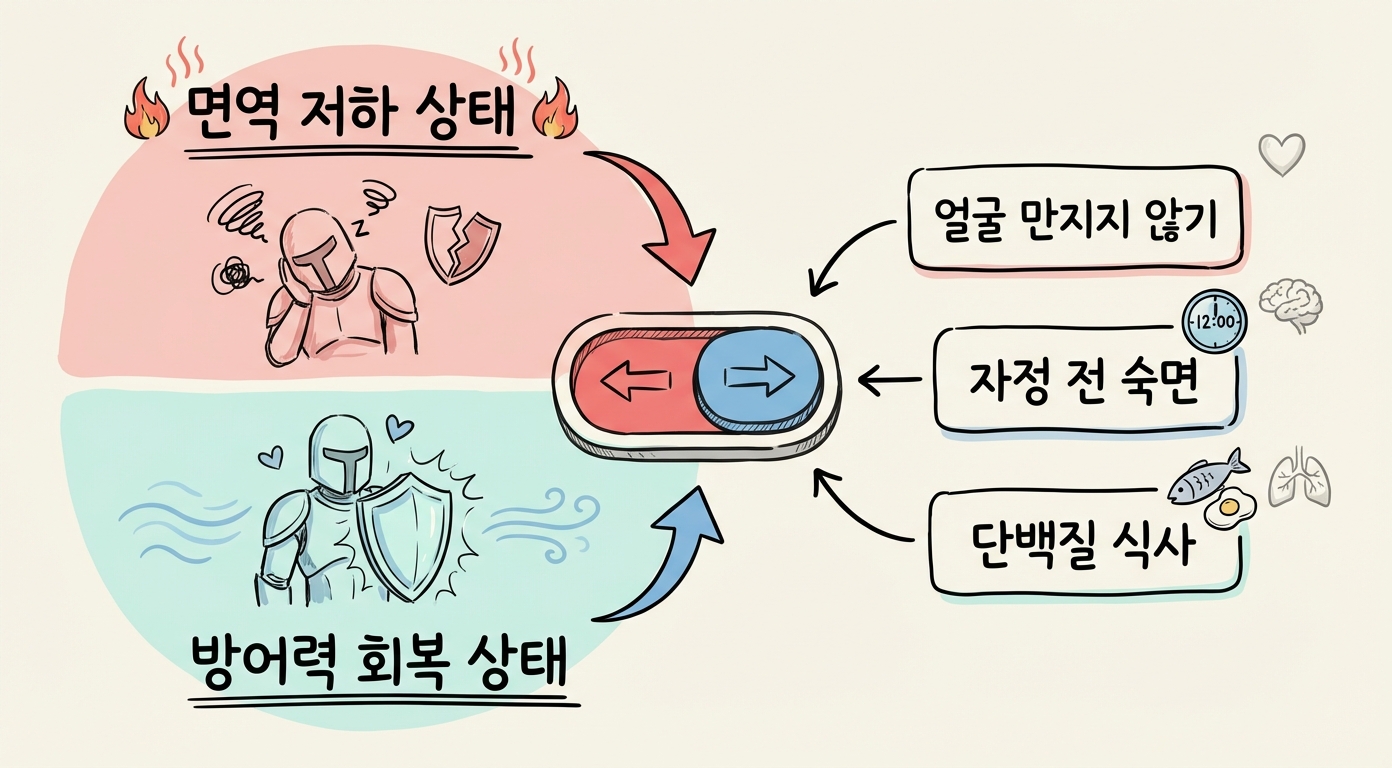 Can We Break Free from This Vicious Cycle?
The first thing to check is your hands.
Flat warts spread when the virus is carried by fingertips to other areas through touching or scratching.
This is called autoinoculation (자가접종) — in simple terms, your own hands become the delivery driver transporting the virus.
Su-bin had a habit of unconsciously touching her forehead, and this was one of the reasons the warts had spread to her cheeks.
Sleep cannot be overlooked either.
The body's immune cells are most active during deep sleep.
If you habitually go to sleep after 1 a.m., it is as though your sentinels are always drowsy.
Simply going to bed before midnight can make a noticeable difference to the body's defenses.
What you eat matters as well.
If you often skip meals or make do with convenience food, your body falls short of the protein and vitamins essential to maintaining immunity.
Even if three full meals a day is difficult, making sure to have at least two protein-containing meals and adding seasonal fruits or vegetables is the first step toward changing the soil.
There is one thing I particularly want to urge.
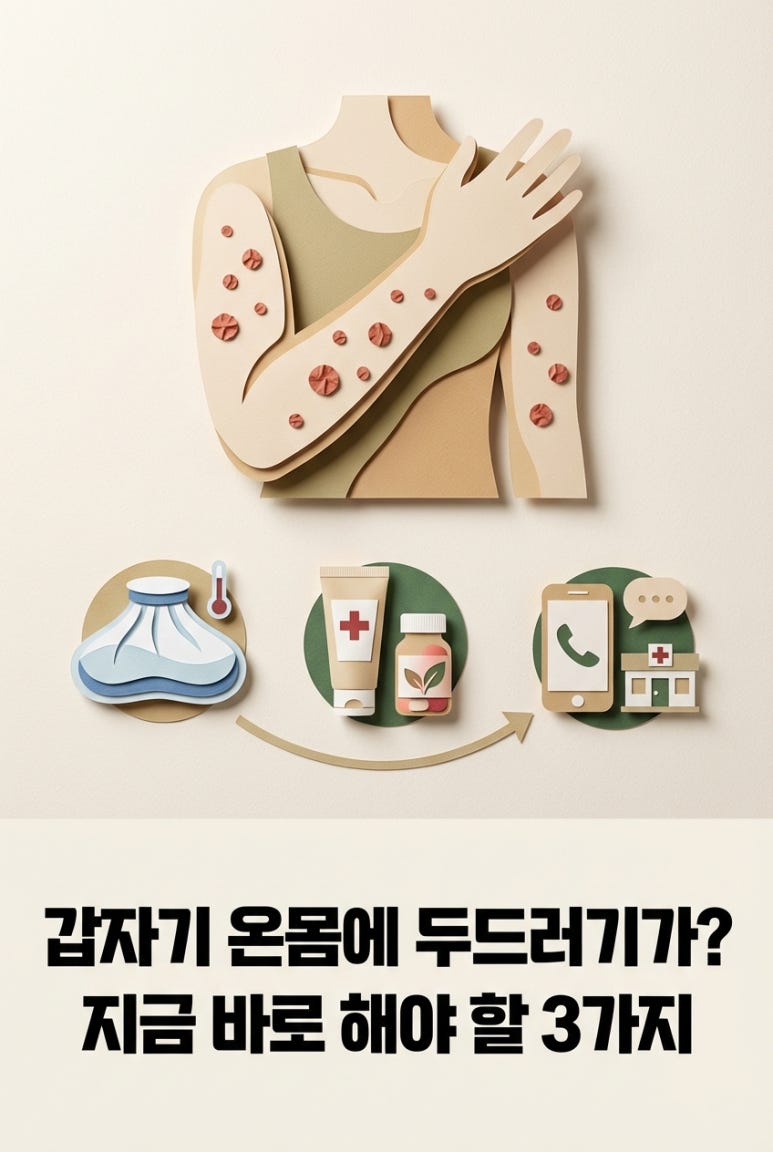
If a wart suddenly grows larger or becomes painful, or if one appears on a mucous membrane, please see a medical professional for an accurate diagnosis without delay.
 Toward the Day the Marks on Your Skin Are Gone
I told Su-bin that treatment is not just about removing the warts.
Rather than simply suppressing symptoms, what is needed is a process of changing the body's environment so that warts cannot grow back.
With herbal medicine tailored to Su-bin's constitution and condition, we worked to strengthen her vital qi (正氣), clear away wind-heat (風熱) and dampness (濕), and at the same time correct the lifestyle causes one by one.
Three months later, no new bumps were appearing on Su-bin's forehead.
Please listen to the signals your body is sending.
Recurring warts are not simply a skin problem — they are a message that the balance of your whole body is being disrupted.
Your body possesses a remarkable capacity to restore its own balance.
My role is to serve as a guide who helps you find the key to that recovery together.
Even if it is not with me, I sincerely hope you find a practitioner who looks carefully not just at the warts, but at your whole body.
✍️ Reviewed by Dr. Choi Jang-Hyuk, Director of Dongjedang Korean Medicine Clinic
Skin
"I've been to three dermatologists but it keeps coming back" | Flat warts that keep recurring
View Program