A Structural Comparison of Simji-cheongt'ak (心地淸濁) and Individuation — The Personality Integration Models of Yi Je-ma's Cultivation Theory and Jungian Analytical Psychology

Table of Contents
- Core Summary
- 1. Context of the Question
- 1-1. What Paper 1 Revealed and Paper 2's Task
- 1-2. The Axis of Comparison — Process, Not Type
- 2. What the Literature Says
- 2-1. The Ontological Structure of Simji-cheongt'ak — Building on Paper 1's Foundation
- 2-2. Sasim and Taehaeng — The Two Mechanisms That Fix Turbidity
- 2-3. The Process-Theoretical Structure of Jungian Individuation
- 2-4. Sasim × Ego Inflation, Taehaeng × Persona Fixation
- 2-5. Cultivation and Individuation — How the Blockage Dissolves
- 2-6. Seopsal (攝生) — A Dimension Unique to Yi Je-ma
- 3. Cross-Reading
- Structural Comparison Table
- Key Arguments
- 4. What We Don't Know Yet
- Additional Research Questions
- References
Author: Choi Jang-Hyuk | Korean Medicine Physician | Director, Dongjedang Korean Medicine Clinic Research Method: DJD Multi-Source Cross-Reference Research | Sasang Simhak RAG Corpus + NotebookLM Jung CW Corpus Cross-Analysis
Core Summary
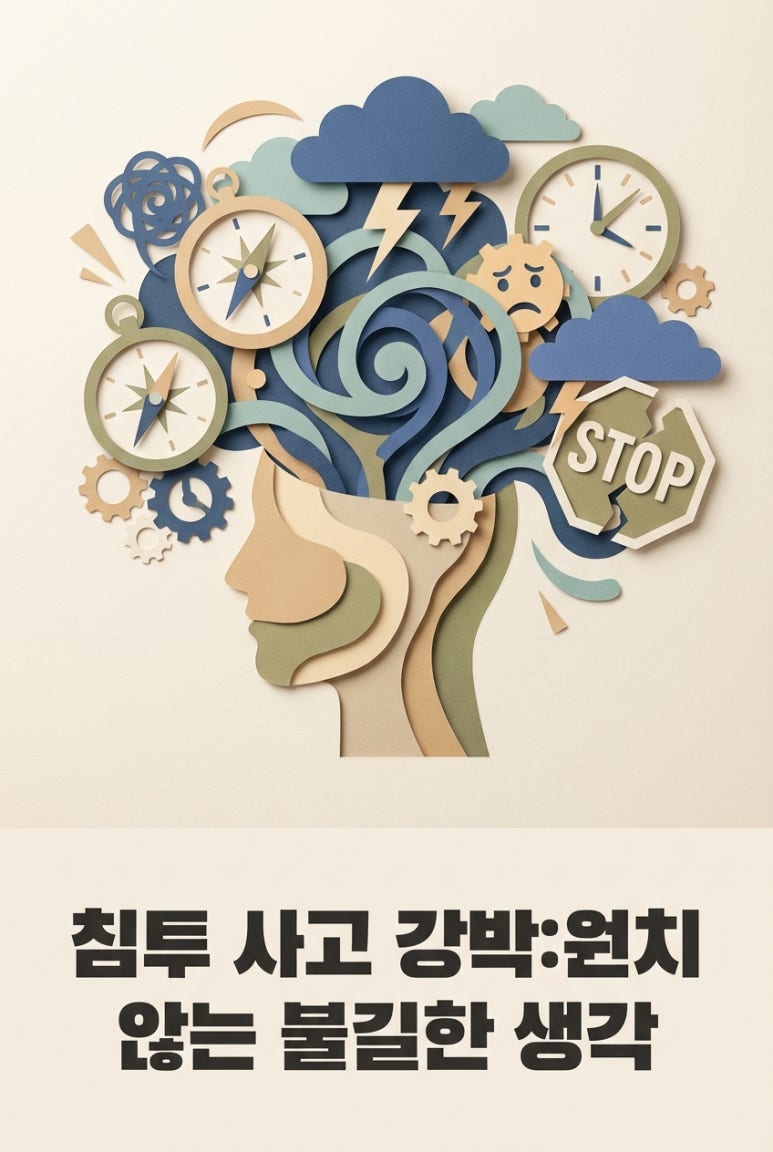
This paper compares Yi Je-ma's (李濟馬) concept of Simji-cheongt'ak (心地淸濁 — Purity/Turbidity of the Mind-Ground) with Carl Gustav Jung's theory of Individuation on an ontological axis. The preceding paper, "A Modern Reinterpretation of Bibak-tamna (鄙薄貪懦) — A Structural Analogy Analysis between Sasang Simhak's Personality Pathology and DSM-5 Personality Disorders," revealed the three-tiered structure of Yi Je-ma's pathological theory and, at the personality pathology tier, demonstrated the structural analogy between Bibak-tamna and DSM-5 personality disorders by constitution, clarifying that the two systems reveal an ontological bifurcation of "pathological description vs. ethical prescription." This paper directly addresses that ontological tier — the blockage and restoration of cultivation motivation. It reveals that the structure of sasim (私心 — self-centered mind) and taehaeng (怠行 — lazy conduct), which fix the turbid (濁) state in Simji-cheongt'ak, correspond respectively to Jung's ego inflation and persona fixation, and exposes the dynamic structure shared between the process of transition from turbid to pure and the individuation process. At the same time, it argues that the cultivation path passing through the body via seopsal (攝生 — regimen/nurturing life) proposed by Yi Je-ma represents a dimension absent in Jung's analytical psychology, constituting a unique contribution of Sasang Simhak.
1. Context of the Question
1-1. What Paper 1 Revealed and Paper 2's Task
The preceding paper ("A Modern Reinterpretation of Bibak-tamna," Sowonjae, 2026-03-31) distinguished the three tiers of Yi Je-ma's pathological theory — the relational tier (external friction → cold-heat pathology), the ontological tier (bias of the constitutional nature → cultivation/regimen), and the personality pathology tier (blockage of cultivation motivation → Bibak-tamna) — and demonstrated the structural analogy between Bibak-tamna and DSM-5 personality disorders by constitution at the third tier. It also established Simji-cheongt'ak as "direction of the vector (4 constitutions) × magnitude of the vector (purity/turbidity)," pointing out that Yi Je-ma anticipated by 120 years the spectrum shift that DSM-5 officially adopted in 2013. Crucially, Paper 1 clarified the ontological bifurcation of the two systems — DSM-5 pathologically describes personality disorders, while Sasang Simhak ethically prescribes them.
However, Paper 1 did not address the internal dynamics of the ontological tier — specifically, what structure governs the transition from turbid to pure. This question naturally derives from Paper 1's central finding — the insight that the essence of Bibak-tamna lies in "the blockage of self-awareness," and that someone who can discern clearly (明而辨之) has already stepped partway out of Bibak-tamna. What structure does the unblocking of awareness have? This is Paper 2's task.
For this task, Carl Jung's Individuation theory provides the stage for comparison. Jung's Individuation is likewise a process of personality integration through the expansion of self-awareness, and its blocked state (ego-Self identification) corresponds structurally to Bibak-tamna.
1-2. The Axis of Comparison — Process, Not Type
The axis of comparison in this paper is not a static mapping between types. Mapping Jung's 8 types onto Yi Je-ma's 4 constitutions one-to-one is always incomplete due to categorical asymmetry — just as Paper 1 already specified the asymmetry in strength of evidence (bi > na > tam > bak) in its DSM-5 correspondence.
What this paper compares is process: the transition process from turbid to pure on the Simji-cheongt'ak spectrum, and the process by which Jung's Individuation advances from persona toward the Self. The purpose of this paper is to reveal the dynamic structure shared by these two processes and the irreducible differences between them.
2. What the Literature Says
2-1. The Ontological Structure of Simji-cheongt'ak — Building on Paper 1's Foundation
We briefly recall the basic structure of Simji-cheongt'ak already established in Paper 1. Yi Je-ma separated the two tiers of personality in the Sadanron:
太少陰陽之臟局短長 四不同中 有一大同 天理之變化也 聖人與衆人 一同也 鄙薄貪懦之心地淸濁 四不同中 有萬不同 人欲之濶狹也 聖人與衆人 萬殊也
(Among the four differences in the constitutional organ lengths of the Taeyang, Taeeum, Soyang, and Soeum, there is one great sameness — it is the transformation of Heavenly Principle, and sages and common people are alike in this. Among the four differences in the Simji-cheongt'ak of Bibak-tamna, there are ten-thousand differences — it is the breadth or narrowness of human desire, and sages and common people differ in ten thousand ways.) — Dongui Suse Bowon (東醫壽世保元), Sadanron
Jangguktangjang (臟局短長 — constitutional organ length) is the unchanging direction; Simji-cheongt'ak is the variable magnitude. In the terms of Paper 1, the 4 constitutions are the direction of the vector, and Simji-cheongt'ak is the magnitude of the vector. Bibak-tamna people are at the extreme of turbidity on this spectrum, but they are not a different kind of being — merely those "steeped in taehaeng and sasim."
What this paper newly asks, building on Paper 1's foundation, is: what causes the mind-ground to become fixed in turbidity, and how does that fixation dissolve?
2-2. Sasim and Taehaeng — The Two Mechanisms That Fix Turbidity
In Yi Je-ma's system, two things make the mind-ground turbid.
Sasim (私心 — Self-centered Mind) — at the dimension of baktong (博通 — broad penetration), it is the mind that pursues only one's own benefit. Yi Je-ma explicitly cautions against this in the Seongmyeongron:
籌策不可驕也 經綸不可矜也 行檢不可伐也 度量不可夸也
(Strategy must not be arrogant; governance must not be vainglorious; self-discipline must not be boastful; magnanimity must not be exaggerated.) — Dongui Suse Bowon, Seongmyeongron
The four forms — gyosim (驕心 — arrogance), geumsim (矜心 — vanity), beolsim (伐心 — boastfulness), and gwasim (誇心 — exaggeration) — are the sasim of Soeum-in, Taeeum-in, Taeyang-in, and Soyang-in respectively. The Gyeokchigo Yuryak section analyzes the inner structure of sasim in greater detail:
私心昧也 慾心闇也 放心窒也 逸心罔也 昧心昧學也 闇心闇辨也 窒心窒問也 罔心罔思也
(Sasim is dim, desires are dark, a wandering mind is blocked, a self-indulgent mind is enmeshed. A dim mind dims learning; a dark mind darkens discernment; a blocked mind blocks questioning; an enmeshed mind enmeshes thinking.) — Gyeokchigo (格致藁), Yuryak section
The essence of sasim is the structure whereby the part (private desires of one's own person) usurps the whole (broadly penetrating virtue), with the result that all four paths of self-awareness — hak (學 — learning), byeon (辨 — discernment), mun (問 — questioning), sa (思 — reflection) — are cut off. This blockage is the textual basis for what Paper 1 termed "the blockage of myeong-i-byeon-ji (明而辨之)."
Taehaeng (怠行 — Lazy Conduct) — at the dimension of dokaeng (獨行 — solitary practice), it is the slackening of conduct. By constitution, it manifests as four forms: talsim (奪心), chisim (恥心), nasim (懦心), and jeolsim (竊心). Yi Je-ma describes this as follows:
When one must practice independently but becomes lazy, one covets the studies of others as one's own — this is talsim; dignity naturally arises when one is considerate of the other's heart, but when it is feigned this is chisim; when one must always make others feel comfortable by reading the mood and a self-deprecating compassion arises, this is a desire in conduct becoming lazy; when one must diligently pursue principled strategies to do what is right but instead takes from others to pursue selfish desire, this is a desire that is not the virtue of production or nurturing life. — Taeyul (太栗), Sasang Simhak, Gyeokchigo lecture
The essence of taehaeng is settling into the dominant function that is already familiar without moving toward the inferior function. Dokaeng is the most body-proximate dimension of cultivation — "what one must do alone, nothing to convey to anyone nor be conveyed" — and when this cultivation slackens, selfish desire fills the vacancy. In the Hwakchungron, Yi Je-ma specifies the constitutional patterns when sasim and taehaeng combine to reach their extreme:
太陽之人雖好爲雄 亦或宜雌 若全好爲雄 則放縦之心必過也 少陰之人雖好爲雌 亦或宜雄 若全好爲雌 則偸逸之心必過也 少陽之人雖好外勝 亦宜內守 若全好外勝 則偏私之心必過也 太陰之人雖好內守 亦宜外勝 若全好內守 則物欲之心必過也
(The Taeyang person, though inclined toward the yang role, should also sometimes take the yin role; if entirely inclined toward yang, the mind of licentiousness will inevitably be excessive. The Soeum person, though inclined toward the yin role, should also sometimes take the yang role; if entirely inclined toward yin, the mind of indolent self-indulgence will inevitably be excessive. The Soyang person, though inclined toward external achievement, should also maintain inner steadfastness; if entirely inclined toward external achievement, the mind of partiality and selfishness will inevitably be excessive. The Taeeum person, though inclined toward inner steadfastness, should also seek external achievement; if entirely inclined toward inner steadfastness, the mind of material desires will inevitably be excessive.) — Dongui Suse Bowon, Hwakchungron
Bangjong (放縦 — licentiousness), tuil (偸逸 — indolent self-indulgence), pyeonsa (偏私 — partiality and selfishness), and mullyok (物欲 — material desires) are the extreme forms of combined sasim + taehaeng for Taeyang-in, Soeum-in, Soyang-in, and Taeeum-in respectively. The structure of "if entirely inclined toward one side (若全好), the opposite mind will inevitably be excessive" precisely overlaps with Jung's statement (CW6 §505) that dominance by a single function inevitably leads to the repression of other functions.
Bibak-tamna people are in a state where these two mechanisms are maximized and fixed. In the Gyeokchigo Dokaeng section, Yi Je-ma describes this as four "wu (無 — without)":
鄙者之慾心無厭也 可鎭而不可瀆也 薄者之私心無窮也 可遠而不可遜也 貪者之放心無極也 可停而不可邇也 懦者之佚心無歇也 可備而不可與也
(The bi person's desires are insatiable — one can suppress but not demean them; the bak person's sasim is inexhaustible — one can keep distance but not kowtow to them; the tam person's wandering mind is without limit — one can halt but not approach them; the na person's self-indulgent mind never rests — one can prepare but not associate with them.) — Gyeokchigo (格致藁), Dokaeng section
Muyeom (無厭), mugung (無窮), muguk (無極), and muhyeol (無歇) refer to the complete absence of the capacity for self-limitation. At the same time, the corresponding guidelines — "can suppress but not demean (可鎭而不可瀆)" and the like — are behavioral prescriptions given to those around Bibak-tamna persons. This structure is the textual basis for what Paper 1 revealed: "the pathology of the Bibak-tamna tier manifests in those around them, not in the person themselves."
2-3. The Process-Theoretical Structure of Jungian Individuation
Jung defines Individuation as follows:
Individuation means becoming an "in-dividual," and, in so far as "individuality" embraces our innermost, last, and incomparable uniqueness, it also implies becoming one's own self. We could therefore translate individuation as "coming to selfhood" or "self-realization." — CW7 §266
This process unfolds in four stages.
First, dissolution of the persona. The persona is "a mask of the collective psyche," always identified with a typical attitude dominated by a single psychological function. This one-sidedness causes the repression of other functions (CW6 §505). "The dissolution of the persona is an indispensable condition for individuation."
Second, confrontation with the shadow. "The individuation process begins when the patient becomes conscious of the shadow (CW11 §292)." The shadow is "not purely evil but somewhat inferior, primitive, unadapted, and awkward" (CW11 §134).
Third, integration of anima/animus. When the patient participates actively, the personified anima/animus figures transform into "a function of relationship between consciousness and the unconscious" (CW7 §370).
Fourth, realization of the Self. Consciousness and the unconscious complement each other to achieve wholeness (CW7 §274), with the Self functioning as "the union of opposites" (CW11 §396).
Here is Jung's crucial warning:
Individuation means precisely the better and more complete fulfilment of the collective qualities of the human being. — CW7 §267
Individuation is not egocentric self-indulgence. "Individuation does not shut one out from the world, but gathers the world to oneself (CW8 §432)."
2-4. Sasim × Ego Inflation, Taehaeng × Persona Fixation
The point where the two systems intersect most deeply is the structural correspondence of the two mechanisms that obstruct personality integration.
Sasim ↔ Ego Inflation
Yi Je-ma's sasim is the private desires of one's own person usurping the place of baktong (broadly penetrating virtue). Jung's ego inflation is the ego usurping the place of the whole Self.
If the individuation process is confused with the coming-to-consciousness of the ego, the ego being in consequence identified with the self, a hopeless conceptual muddle ensues. Individuation is then nothing but egocenteredness and autoeroticism. — CW8 §432
The structure is identical: a part usurps the whole. In Yi Je-ma, the private desires of one's own person usurp the broadly penetrating virtue; in Jung, the ego usurps the Self. In both cases, when the usurpation succeeds, the person themselves cannot perceive it as usurpation — this is the ego-syntonic structure revealed in Paper 1, and Yi Je-ma's "blockage of myeong-i-byeon-ji (明而辨之)."
Taehaeng ↔ Persona Fixation (Persona Identification)
Yi Je-ma's taehaeng is the slackening of dokaeng, settling into the dominant function. Jung's persona fixation is being dominated by a single familiar function so that other functions are repressed.
The persona is always identical with a typical attitude dominated by a single psychological function. This one-sidedness always causes the relative repression of the other functions. — CW6 §505
This overlaps with the mechanism of taehaeng in Yi Je-ma's terms. If one only uses the dominant function and is lazy in cultivation toward the inferior function direction, the inferior function remains undeveloped. In Jung's language:
The unconscious is the residue of unconquered nature in us, and at the same time the matrix of our unborn future. — CW6 §907
The repressed inferior function remains in the unconscious in an archaic state. That the Pyeonsojang (偏小之臟 — constitutionally deficient organ) left unstrengthened makes the mind-ground turbid in Yi Je-ma, and the inferior function left repressed makes the shadow bloated in Jung — these are two descriptions of the same phenomenon.
| Yi Je-ma (Turbid→Pure Blockage Mechanism) | Jung (Individuation Blockage Mechanism) | Common Structure |
|---|---|---|
| Sasim — private desires usurp baktong | Ego inflation — ego usurps Self | Part usurps the whole |
| Taehaeng — lazy conduct, settling into dominant function | Persona fixation — single-function dominance, repression of inferior functions | Settling into the familiar |
| Bibak-tamna — "steeped in" sasim + taehaeng, blockage of self-awareness | Ego-Self identification + shadow denial — "absence of the soul's spark" | Loss of self-bias awareness itself |
2-5. Cultivation and Individuation — How the Blockage Dissolves
If the blockage mechanisms correspond, do the processes by which the blockage dissolves also correspond?
In Yi Je-ma's Hwakchungron, the principle of cultivation is:
太陽少陽人但恒戒哀怒之過度 而不可强做喜樂虛動不及也 太陰少陰人但恒戒喜樂之過度 而不可强做哀怒虛動不及也
(Taeyang-in and Soyang-in need only always be vigilant against the excess of sorrow and anger, and must not forcefully manufacture joy and pleasure to virtually activate what is deficient. Taeeum-in and Soeum-in need only always be vigilant against the excess of joy and pleasure, and must not forcefully manufacture sorrow and anger to virtually activate what is deficient.) — Dongui Suse Bowon, Hwakchungron
The key is the dual principle: "always be vigilant (恒戒), but do not forcefully manufacture (不可强做)." When one consciously guards against excess on one side, the deficient side naturally comes forth. Forcefully manufacturing the opposite side is mere virtual activation (虛動 — heodong).
Jung's transcendent function corresponds structurally to this:
From the activity of the unconscious there now emerges a new content, equally conditioned by thesis and antithesis. It forms the middle ground on which the opposites can be united. — CW6 §825
For Jung as well, the integration of opposites is not forcefully strengthening one side, but the emergence of a third thing from the tension between the two poles.
Yi Je-ma's "be vigilant but don't manufacture" and Jung's "a third thing emerges from between the opposites" share a common insight: personality integration is a process of aware allowance, not willful manipulation.
2-6. Seopsal (攝生) — A Dimension Unique to Yi Je-ma
Here the irreducible difference between the two systems is revealed. Jung's Individuation is essentially work within the psyche. Shadow, anima, and transcendent function are all psychic reality.
Yi Je-ma places seopsal (攝生 — regimen) alongside cultivation. In the Chobon'gwon, Yi Je-ma first warns against the four things that shorten lifespan, then presents their opposites as the four principles of bomaeng (保命 — preserving life):
嬌奢減壽 懶怠減壽 偏急減壽 貪欲減壽
(Arrogant extravagance shortens life; laziness shortens life; one-sided hastiness shortens life; covetous desire shortens life.) — Sasang Uihak Chobon'gwon, Section 1
簡約保命 勤幹保命 警戒保命 聞見保命
(Frugality preserves life; diligence preserves life; vigilance preserves life; broad learning preserves life.) — Sasang Uihak Chobon'gwon, Section 1
The four Gamsu (減壽 — life-shortening) items and four Bomaeng (保命 — life-preserving) items are precisely symmetrical: arrogant extravagance ↔ frugality, laziness ↔ diligence, one-sided hastiness ↔ vigilance, covetous desire ↔ broad learning. The reason this is not merely a set of health guidelines is that seopsal has concrete organ mechanisms directly connected to strengthening the Pyeonsojang (偏小之臟 — constitutionally deficient organ). In Section 2 of the Chobon'gwon, Yi Je-ma specifies the seopsal mechanisms for each of the 4 constitutions:
太陽之性氣若進之而又靜之則 非但聞見博也 威儀亦愼也 非但肺氣抑有餘也 肝氣亦補不足也
(If the Taeyang person's seonggi advances while also becoming still, not only does broad learning expand but decorum also becomes cautious; not only is the excess of lung-qi suppressed, but the deficiency of liver-qi is also supplemented.)
太陰之性氣若靜之而又進之則 非但行檢成也 知慧亦密也 非但肝氣抑有餘也 肺氣亦補不足也
(If the Taeeum person's seonggi becomes still while also advancing, not only does self-discipline become accomplished but wisdom also becomes meticulous; not only is the excess of liver-qi suppressed, but the deficiency of lung-qi is also supplemented.)
少陽之性氣若擧之而又處之則 非但制度審也 功績亦至也 非但脾氣抑有餘也 腎氣亦補不足也
(If the Soyang person's seonggi rises while also settling, not only do systems become clear but achievements are also reached; not only is the excess of spleen-qi suppressed, but the deficiency of kidney-qi is also supplemented.)
少陰之性氣若處之而又擧之則 非但度量明也 經綸亦足也 非但腎氣抑有餘也 脾氣亦補不足也
(If the Soeum person's seonggi settles while also rising, not only does magnanimity become bright but governance capacity is also achieved; not only is the excess of kidney-qi suppressed, but the deficiency of spleen-qi is also supplemented.) — Sasang Uihak Chobon'gwon, Section 2
All four constitutions share the same structure: when the natural direction of seonggi (advance/stillness/rising/settling) is complemented by its opposite direction, not only do the virtues of the mind expand, but the constitutional organ imbalance is also corrected. The formula of "suppress excess (抑有餘) + supplement deficiency (補不足)" applies consistently across all four constitutions. If cultivation is the guarding against excess in seongjeong through persistent vigilance (恒戒), then seopsal is the correction of constitutional organ imbalance through the redirection of seonggi. Mind and body operate through the same structure.
| Constitution | Seonggi Direction | Direction to Complement | Large Organ (大臟) Suppress Excess | Small Organ (小臟) Supplement Deficiency |
|---|---|---|---|---|
| Taeyang-in | 進 (advance) | 靜 (stillness) | Lung-qi (肺氣) suppressed | Liver-qi (肝氣) supplemented |
| Taeeum-in | 靜 (stillness) | 進 (advance) | Liver-qi (肝氣) suppressed | Lung-qi (肺氣) supplemented |
| Soyang-in | 擧 (rising) | 處 (settling) | Spleen-qi (脾氣) suppressed | Kidney-qi (腎氣) supplemented |
| Soeum-in | 處 (settling) | 擧 (rising) | Kidney-qi (腎氣) suppressed | Spleen-qi (脾氣) supplemented |
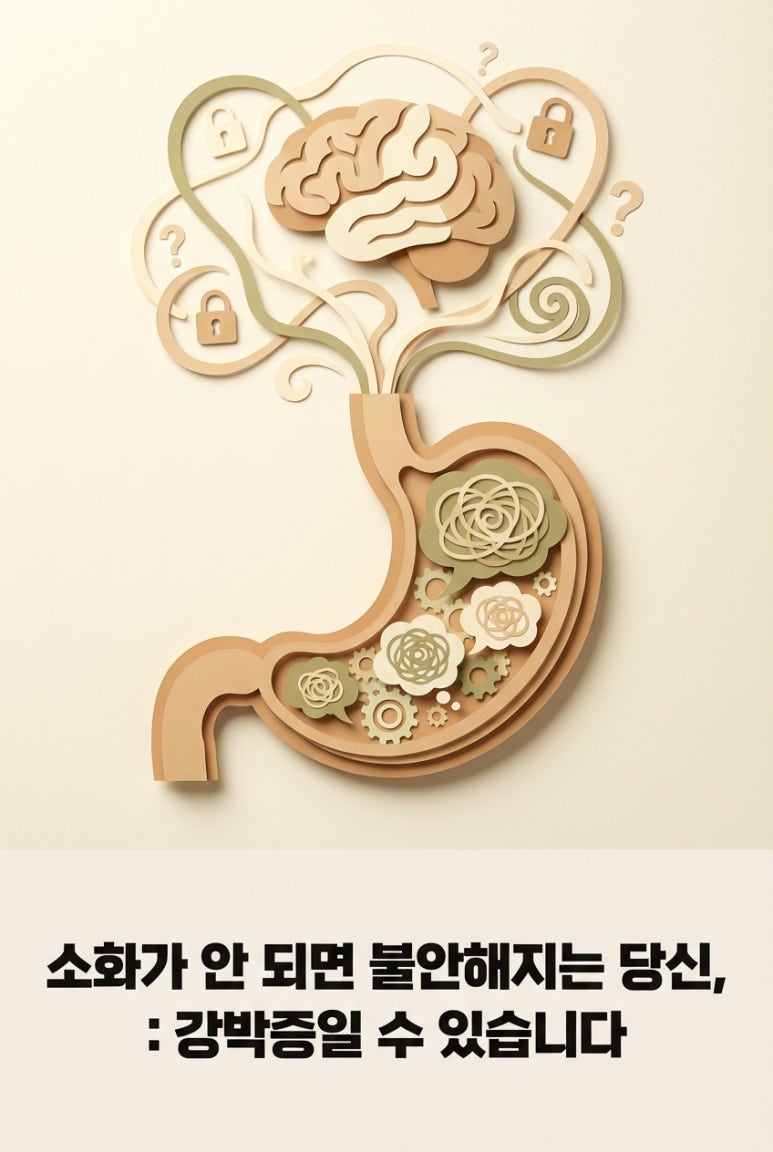
Taeyul describes Yi Je-ma's seopsal as an approach "close to the domain of Korean medicine psychiatry." The mind-body simultaneous approach — that the turbidity of the mind directly leads to physical illness, and that physical seopsal supplements mental cultivation — is a dimension absent in Jung. In Jungian analytical psychology, personality integration is work purely within psychic reality. In Yi Je-ma's system, personality integration is simultaneous work of mind (心) and body (身).
Furthermore, Jung expresses the paradoxical value of the inferior function: "It is only through the weakness and helplessness of man that he is connected with the unconscious, the world of instinct, and his fellow man (CW18)." In Yi Je-ma's system as well, the strengthening of the Pyeonsojang is central to cultivation — not making the already large organ (大臟) even larger. Both systems hold that one can reach the whole only through the weak place. However, only Yi Je-ma holds that this weak place can also be strengthened through the path of the body.
3. Cross-Reading
Structural Comparison Table
| Category | Yi Je-ma (Simji-cheongt'ak) | Jung (Individuation) |
|---|---|---|
| Innate structure of personality | Jangguktangjang (臟局短長) — 4 constitutions, unchanging | 4 functions (thinking/feeling/sensation/intuition) preference, unchanging |
| Variable spectrum of personality | Simji-cheongt'ak (心地淸濁) — ten-thousand differences (萬殊) | Individuation level — continuous process |
| Blockage mechanism ① | Sasim — part usurps the whole | Ego inflation — ego usurps Self |
| Blockage mechanism ② | Taehaeng — settling into dominant function, neglecting inferior function | Persona fixation — single-function dominance, repression of inferior functions |
| Goal of integration | Pure (淸) = harmonious mind, emulation of the sage (希聖) | Self = union of opposites, wholeness |
| Principle of integration | Be vigilant but don't manufacture (恒戒·不可强做) | A third thing emerges from the middle ground between opposites |
| Precondition for integration | Myeong-i-byeon-ji (明而辨之) — capacity to discern one's own bias | Willingness to see one's own shadow |
| Extreme of blockage | Bibak-tamna = fixed sasim + taehaeng, blockage of self-awareness | Ego-Self identification = "absence of the soul's spark" |
| Unique contribution | Seopsal (攝生) — path to bomaeng (保命) through the body | Transcendent function — symbolic mediation between opposites |
Key Arguments
First, the structural isomorphism of blockage mechanisms. The correspondence of sasim ↔ ego inflation, taehaeng ↔ persona fixation is not a coincidental similarity. As long as personality integration begins with awareness of one's own bias, the mechanisms that obstruct that awareness converge to two in any system: the usurpation of the whole by a part (sasim/ego inflation), and the neglect of underdeveloped areas by settling into the familiar function (taehaeng/persona fixation). This convergence is the structural basis that makes comparison of the two systems possible. However, the strength of evidence for the two correspondences is asymmetric. Sasim ↔ ego inflation has strong evidence, with "usurpation of the whole by a part" directly corresponding at the primary source level. Taehaeng ↔ persona fixation is a functional analogy of "settling into the dominant function," and there is a contextual difference — Yi Je-ma's taehaeng is "laziness in the dimension closest to the body" while Jung's persona is a "social mask" — making evidence moderate.
Second, process-theoretical correspondence. The cultivation process of Yi Je-ma and the individuation process of Jung share a common structure. Both (1) begin with the dissolution of existing identification, (2) proceed through the conscious confrontation with repressed areas, and (3) advance toward the integration of opposing elements. The principle of "aware allowance rather than willful manipulation" is identical. However, the number and content of stages are asymmetric, as the following table shows:
| Stage | Yi Je-ma (Cultivation/Seopsal) | Jung (Individuation) | Correspondence |
|---|---|---|---|
| ① Dissolution of existing identification | Awareness of sasim — discerning (明而辨之) that "private desires had been usurping baktong" | Persona dissolution — removing the collective mask | Strong — both dissolve the illusion that "the part was the whole" |
| ② Confrontation with inferior domain | Awareness of taehaeng — recognizing that cultivation toward Pyeonsojang direction had been neglected; guarding via persistent vigilance (恒戒) | Shadow confrontation — making the repressed inferior personality conscious | Strong — both confront underdeveloped/repressed domains |
| ③ Integration of the opposite direction | Seonggi redirection — complementing advance with stillness, stillness with advance. No forced manufacturing (不可强做) | Anima/animus integration — transforming opposing gender elements into relationship function | Partial — both "naturally allow the opposite," but Yi Je-ma addresses seonggi direction, Jung addresses gender opposition |
| ④ Realization of wholeness | Pure (淸) mind-ground — harmonious mind, constitutional organ balance | Self-realization — union of opposites, wholeness | Structural — goal form (wholeness) is the same, but Yi Je-ma is simultaneous mind-body, Jung limited to psychic reality |
| ⑤ (Unique to Yi Je-ma) | Seopsal — correcting constitutional organ imbalance through the body via frugality, diligence, vigilance, broad learning | N/A | Non-correspondence — a dimension absent in Jung |
Third, seopsal (攝生) is Yi Je-ma's unique contribution. Jung's analytical psychology is work within psychic reality. Yi Je-ma opened a cultivation path passing through the body and daily life via the four principles of bomaeng — frugality, diligence, vigilance, and broad learning — in parallel with mental cultivation. This simultaneous mind-body approach — that the turbidity of the mind and physical illness stem from the same root — is a dimension absent in Jung, and here the ontological tier of Yi Je-ma's pathological theory revealed in Paper 1 gains its concrete content.
Fourth, the isomorphism of Bibak-tamna and individuation blockage deepens Paper 1's findings. Paper 1 revealed that the essence of Bibak-tamna lies in "the blockage of self-awareness" and that this is phenomenologically described by DSM-5's ego-syntonic concept. Paper 2 contrasts with Jung's system the mechanisms that generate this blockage (sasim/taehaeng) and the process of dissolving it (persistent vigilance/hwakchung / four stages of individuation), structurally clarifying the dynamics of blockage and unblocking. If Paper 1 was a static comparison of the blocked state, Paper 2 is a dynamic comparison of blockage and unblocking.
However, what this dynamic comparison reveals is not only analogy. The question remains that the very destination the two processes aim for may differ. In Yi Je-ma's cultivation theory, the Taeeum person remains a Taeeum person to the end. Even if the mind-ground transitions from turbid to pure, the direction of the vector does not change. The goal is "dynamic equilibrium of the authentic self" — a more harmonious and healthy self, yet still the same self. Seopsal makes this harmonization possible precisely because it simultaneously passes through both inside (mind) and outside (body/daily life). In contrast, in Jungian Individuation, the Self is not the former ego. The self after removing the persona and accepting the shadow is a different being from the former self. Jung himself mapped this process to alchemical transmutation — work directed purely inward must inevitably end in dissolving and reconstructing the former self. This divergence between harmonization (harmonization) and transformation (transformation) — precisely at the point where the structural analogy of the two systems holds — reveals the fundamental heterogeneity of the two systems. This question should be addressed in a separate paper.
4. What We Don't Know Yet
This comparison reveals the structural analogy of the two systems, but leaves several evidential gaps.
First, a systematic textual commentary on the internal structure of Simji-cheongt'ak — what specific stages the transition from turbid to pure passes through — is absent. That Simji-cheongt'ak is a continuous spectrum is clear from the Sadanron, but additional research is needed on its internal stages.
Second, how Yi Je-ma's seopsal is specifically implemented as clinical protocols is not sufficiently clarified in the primary texts. While the principles of frugality, diligence, vigilance, and broad learning are specified, how these are subdivided into constitution-specific lifestyle prescriptions remains a task for clinical research.
Third, the Jung CW primary texts cited in this paper are based on the English translation (Collected Works, Bollingen Series). Nuance differences from the German original may affect the precision of comparison in key terms (Individuation, Selbst, Schatten).
Fourth, the correspondences of sasim ↔ ego inflation, taehaeng ↔ persona fixation are structural analogies, not causal identities. The generative contexts of the two concepts — 19th-century Joseon Confucian medicine and 20th-century European analytical psychology — are fundamentally different, and the similarity of structure does not mean identity of content.
Additional Research Questions
- How is the temporal dimension of the turbid → pure transition in Simji-cheongt'ak described — did Yi Je-ma view this as a lifelong task, or did he presuppose a specific cultivation period?
- How is seopsal implemented as specific clinical prescriptions (herbal medicine, lifestyle habits, interpersonal prescriptions)? Can it be reconstructed within a modern integrative medicine framework?
- What is the Yi Je-ma concept corresponding to Jung's transcendent function — is the "jungjeol (中節 — attainment of the middle)" concept in the Hwakchungron a candidate?
- How do the two systems view the possibility of recovery from the Bibak-tamna state — what is the solution to the paradox pointed out in Paper 1 that "someone who can discern has already stepped out of Bibak-tamna"?
- Can the "self-awareness as a precondition for cultivation" of the two systems be cross-compared with a third perspective (Buddhist self-awareness, Stoic self-observation)?
- The harmonization aimed at by Yi Je-ma's cultivation and the self-transmutation aimed at by Jungian Individuation — do they originate from the divergence between Confucian self-cultivation and the Western alchemical tradition?
References
Source 1 [KM Primary Text]
- Source: Dongui Suse Bowon (東醫壽世保元), Sadanron·Hwakchungron
- Author/Era: Yi Je-ma (李濟馬), Late Joseon (1894 Sinchuk edition)
- Reliability: high
- Key point: Simji-cheongt'ak (心地淸濁) ten-thousand differences (萬不同), definition of 4 Bibak-tamna types, principle of persistent vigilance/no forced manufacturing in Hwakchungron
Source 2 [KM Primary Text]
- Source: Sasang Uihak Chobon'gwon (四象醫學草本卷), Section 1
- Author/Era: Yi Je-ma (李濟馬), Late Joseon
- Reliability: high
- Key point: Principles of life-shortening (arrogant extravagance/laziness/one-sided hastiness/covetous desire), four principles of bomaeng (frugality/diligence/vigilance/broad learning)
Source 3 [KM Primary Text]
- Source: Gyeokchigo (格致藁), Dokaeng section
- Author/Era: Yi Je-ma (李濟馬), Late Joseon
- Reliability: high
- Key point: Behavioral patterns of the four Bibak-tamna types (慾心無厭·私心無窮·放心無極·佚心無歇), specific content of sasim and taehaeng
Source 4 [KM Interpretation]
- Source: Sasang Simhak (四象心學) — Reading the Vivid Suse Bowon 2.0 + Complete Gyeokchigo Lectures
- Author/Year: Taeyul (太栗) Kim Do-soon
- Reliability: medium (primary text commentary — cross-verified with primary texts)
- Key point: Vector structure of Simji-cheongt'ak, constitutional manifestation of sasim/taehaeng, quasi-psychiatry nature of seopsal
Source 5 [KM Interpretation]
- Source: Sadanron commentary / Cultivation theory and Individuation commentary
- Author/Year: Taeyul (太栗) Kim Do-soon, Sasang Simhak Research Society
- Reliability: medium
- Key point: Simji-cheongt'ak as cause of personality differences within the same constitution, emphasis on observer's self-analysis capacity
Source 6 [Jung CW]
- Source: Psychological Types (CW6)
- Author/Year: C.G. Jung, 1921/1971
- Reliability: high
- Key point: Persona and single-function dominance (§505), archaic persistence of inferior function (§907), transcendent function (§825-827)
Source 7 [Jung CW]
- Source: Two Essays on Analytical Psychology (CW7)
- Author/Year: C.G. Jung, 1953/1966
- Reliability: high
- Key point: Definition of individuation (§266), persona = mask of collective psyche (§245), individuation ≠ individualism (§267), compensatory relationship between consciousness and unconscious (§274)
Source 8 [Jung CW]
- Source: The Structure and Dynamics of the Psyche (CW8)
- Author/Year: C.G. Jung, 1960/1969
- Reliability: high
- Key point: Individuation ≠ egocentric (§432), pathology of ego-Self identification (§430)
Source 9 [Jung CW]
- Source: Psychology and Religion: West and East (CW11)
- Author/Year: C.G. Jung, 1958/1969
- Reliability: high
- Key point: Shadow consciousness as the start of individuation (§292), shadow not purely evil (§134), Self = union of opposites (§396)
Source 10 [Jung CW]
- Source: The Symbolic Life (CW18)
- Author/Year: C.G. Jung, 1976
- Reliability: high
- Key point: "It is only through weakness and helplessness that one connects with the unconscious and fellow human beings" — the paradoxical value of the inferior function
Source 11 [Preceding Paper]
- Source: "A Modern Reinterpretation of Bibak-tamna (鄙薄貪懦) — A Structural Analogy Analysis between Sasang Simhak's Personality Pathology and DSM-5 Personality Disorders"
- Author/Year: Choi Jang-Hyuk, 2026
- URL: https://sowonjae.dongjedang.com/post/2026-03-31-bibaktamna-dsm5-reinterpretation-v5/
- Reliability: high (preceding paper by present author)
- Key point: Three-tier structure (relational-ontological-personality pathology), constitutional structural analogy of Bibak-tamna × DSM-5, ontological bifurcation of pathological description vs. ethical prescription, correspondence of ego-syntonic and blockage of myeong-i-byeon-ji
Related document: A Modern Reinterpretation of Bibak-tamna (Paper 1) Research information: DJD Multi-Source Cross-Reference Research | DJD_SASANG_RAG_MCP 10 corpora + NotebookLM Jung CW Corpus(fa5c5dc9) | 2026-04-01
Mental Health
A Structural Comparison of Simji-cheongt'ak (心地淸濁) and Individuation — The Personality Integration Models of Yi Je-ma's Cultivation Theory and Jungian Analytical Psychology
View Program