
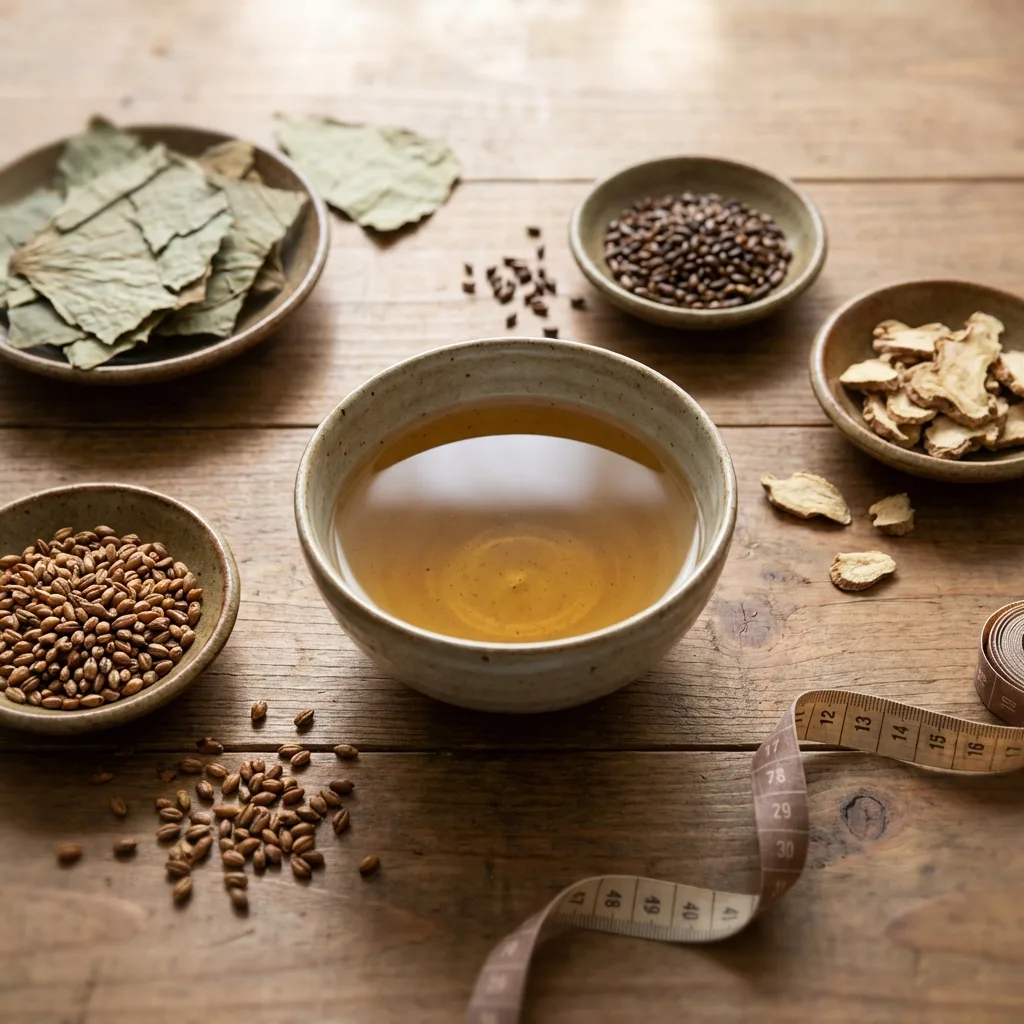
Visceral Fat & Abdominal Obesity
Visceral Fat / Abdominal Obesity
We reduce the visceral fat and belly fat wedged between the organs by emptying the accumulated surplus and reviving metabolism.

# Possibility / Realistic Goals (2)
Q I've just turned fifty. Can visceral fat really come off even at this age? It seems like it won't come off as easily as when I was young, so I'm hesitating even to start.
A. Even as you age, visceral fat can definitely be reduced. Metabolism is slower than when you were young so the pace is a bit slower, but if you adjust your diet and activity while protecting muscle, it actually greatly lowers your health risks.
View details →Q I'm self-employed and in my forties, and it's genuinely hard to set aside separate time to exercise. Even this busy, is there a realistic way to reduce visceral fat?
A. Even if it's hard to set aside separate exercise time, you can definitely reduce visceral fat just through dietary adjustments and movement in daily life. In particular, just cutting late-night snacks and sweet drinks and moving often makes realistic change possible.
View details →# Comorbidities (1)
# Lifestyle Management (2)
Q I'm a desk worker in my forties who sits all day. What exercise is best for losing visceral fat? The gym feels like a burden - can just walking do it?
A. Visceral fat responds especially well to aerobic exercise, so even just steady brisk walking helps. Adding light strength training on top keeps your muscle so it comes off better without rebound.
View details →Q I often work late and don't get enough sleep. I'm in my late thirties, and my belly fat just won't come off. Do sleep and stress also have to do with visceral fat?
A. Yes. Lack of sleep and chronic stress disrupt appetite and storage hormones, making fat pile up on the abdomen. Sleeping well and managing stress are as important as diet and exercise.
View details →# Safety (2)
Q I'm in my fifties and dieting. Without doing anything special, my belly suddenly swelled up tight and it hurts. Is this not just fat but a sign that needs a hospital exam?
A. If your belly suddenly swells with accompanying pain, regardless of weight, it may not be simple obesity but ascites or an intestinal, liver or biliary problem, so you need an exam at a medical facility right away. This is not something for dieting.
View details →Q I'm a man in my sixties. Without changing my diet much, my weight dropped a lot over two or three months while my belly stayed the same. Should I be glad, or should I get checked?
A. Losing weight rapidly for no clear reason, without effort, is not a welcome sign but a warning sign that needs checking for diabetes, thyroid or digestive disease. We recommend you first get an exam at a medical facility to find the cause.
View details →# Drug Combination / Interactions (1)
# Prognosis / Recovery (2)
Q How long does it usually take to lose belly fat, especially visceral fat? I'm a 45-year-old homemaker and rather impatient, so I'm curious whether results will show within a few months.
A. Visceral fat responds fairly quickly, so if you steadily change your meals and activity, changes in waist size and numbers usually start to appear from around 8 to 12 weeks. It's more accurate to check by waist size and how you feel rather than by weight, though.
View details →Q I'm an office worker in my thirties who once lost weight by starving myself, then gained it all back. What do I need to follow so visceral fat doesn't pile up again?
A. Yo-yo mostly happens when extreme fasting lowers muscle and metabolism and you then return to your old eating habits. If you lose weight gradually while protecting muscle and keep a lifestyle with less late-night eating and sweet drinks, visceral fat rarely comes back.
View details →# Causes Explained (2)
Q My health checkup showed a lot of visceral fat. I'm an office worker in my forties. My arms and legs are the same, but only my belly has grown. What exactly is visceral fat?
A. Visceral fat is fat that builds up between the organs in your abdomen. Unlike the subcutaneous fat you can pinch under your skin, it is active tissue that disrupts your blood pressure, blood sugar and lipids. That's why gaining belly fat while your arms and legs stay the same can easily lead to metabolic problems.
View details →Q I'm a working mom in my late thirties. I don't gain weight anywhere else, but only my lower belly and love handles keep getting thicker. Why does it pile up only on my belly?
A. As we age and lose muscle and hormones, fat tends to be stored in the abdomen before the arms and legs. Refined carbs, late-night eating, lack of sleep and stress all push this along even more.
View details →# Food / Triggers (2)
Q I'm an office worker in my fifties who loves an evening drink and rice and noodles. Are there specific foods that increase visceral fat? What should I cut first?
A. Refined carbs (white rice, noodles, bread), sweet drinks, alcohol and late-night snacks increase visceral fat the most. If you're setting priorities, cutting late-night eating, alcohol and sweet drinks first works the fastest.
View details →Q I'm an office worker in my forties who drinks a can or two of beer almost every day. Is alcohol strongly linked to belly fat, especially visceral fat? Do I have to quit completely for it to come off?
A. Alcohol is high in calories and blocks fat burning, making it a leading cause of visceral fat and fatty liver. Even without quitting completely, cutting the frequency and amount noticeably improves visceral fat and liver values.
View details →# Treatment Schedule (1)
# Treatment Stages (1)
# Effectiveness (2)
Q Does Korean medicine dieting really burn off visceral fat? As a self-employed man in my forties, I honestly wonder if only surface fat comes off briefly and then the weight bounces back.
A. Rather than just briefly shrinking your waistline, when you adjust your meals, activity and metabolic flow together, visceral fat tends to respond fairly well and comes off. It only stays off if you keep up the management, though, and suddenly starving yourself invites the weight to bounce back.
View details →Q I'm 170 cm and 66 kg, so rather lean, but my checkup said I have visceral fat and fatty liver, which shocked me. Even though I look slim, do I need to manage this?
A. Even if you look slim, there is such a thing as "skinny fat" where a lot of fat sits inside the abdomen, and in that case hidden metabolic risk actually makes management necessary. Your waist size and whether you have visceral fat and fatty liver matter more than the number on the scale.
View details →Visceral Fat & Abdominal Obesity is not just a simple symptom
Korean medicine that considers both your constitution and lifestyle rhythm treats the root cause.
From consultation to precise treatment, we provide personalized care.
Prescriptions tailored to your constitution and symptoms treat the root cause
The director personally sees you from first to follow-up visits
We identify the essence through Sasang constitution, pulse and abdominal diagnosis
Treatment based on long clinical experience and evidence
Was this helpful? If you need accurate care for your condition, please contact us below.