
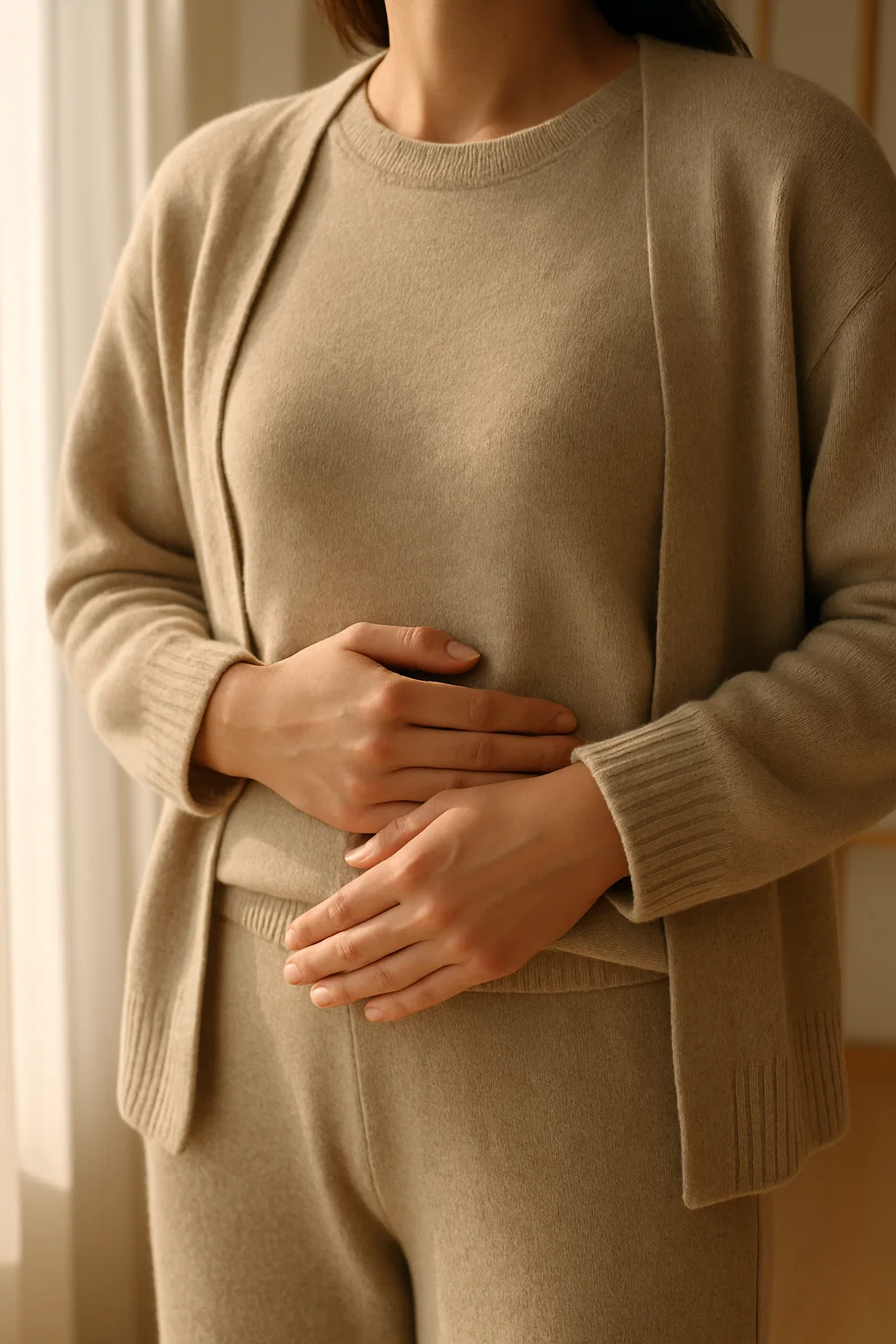
Chronic Enteritis
Chronic Enteritis
Long-term inflammation of the intestinal lining
# Possibility / Realistic Goals (1)
# Comorbidities (1)
# Lifestyle Management (1)
# Safety (2)
Q Won't taking herbal medicine long-term for chronic enteritis burden my liver or kidneys? My gut is already weak and I'm worried.
A. Herbal medicine appropriately prescribed by a Korean medicine doctor is managed so as not to harm the liver or kidneys. For those with a weak gut, we prescribe formulas that are gentle, considering that condition, and adjust immediately if any abnormal reaction occurs. Always take it under a doctor's diagnosis.
View details →Q I thought it was just an upset stomach but I had blood in my stool. Is it OK to see a Korean medicine clinic first?
A. Blood in the stool is an emergency sign that must first be confirmed by internal medicine or the emergency room. It can be a sign of colorectal polyps, inflammatory bowel disease, or rarely colorectal cancer, so a detailed examination such as colonoscopy is the priority. Korean medicine treatment can be added after the cause is confirmed.
View details →# Drug Combination / Interactions (2)
Q I'm taking antibiotics and a gut protectant from internal medicine. Is it okay to take herbal medicine together?
A. Herbal medicine and Western medicine can be taken together if spaced 1–2 hours apart. If you are on antibiotics, you must tell your Korean medicine doctor, who may adjust the herbal formula during the antibiotic course.
View details →Q I'm separately buying and taking probiotics. Is it okay to take them with herbal medicine?
A. Probiotics can be taken alongside herbal medicine. It is best to space them 1–2 hours apart, and they can have a positive effect on treatment by helping improve the gut's beneficial-bacteria environment.
View details →# Prognosis / Recovery (2)
Q I've had chronic enteritis for 5 years. At this point, is it hard to fully recover?
A. Even in long-standing cases, restoring spleen-stomach function can make daily life comfortable enough. Rather than complete eradication, the realistic goal is to reduce relapse frequency and symptom intensity, and steady Korean medicine treatment with lifestyle correction can maintain remission.
View details →Q I improved with treatment but get an upset stomach again whenever I'm stressed. Can relapse be reduced?
A. Stress directly disrupts bowel motility through the autonomic nervous system and is a major relapse trigger. Restoring bowel function together with regulating the stress response lengthens relapse intervals and lightens symptoms.
View details →# Causes Explained (2)
Q Why does chronic enteritis develop? I don't understand why my gut stays so sensitive.
A. It becomes chronic when the intestinal mucosa fails to fully recover after bacterial or viral infection, or when spicy/greasy eating habits and stress-induced autonomic imbalance repeat. In Korean medicine, the main mechanism is dampness-heat accumulating on a foundation of weakened spleen-stomach (Pi-Wei) function, lowering the gut's absorption and motility.
View details →Q I have been running a restaurant in Dongincheon for 30 years and eat greasy and spicy food every day. Could this be a cause of chronic enteritis?
A. Yes, a long-term diet of greasy and spicy foods can cause repeated damage to the intestinal mucosa, leading to chronic inflammation. Even if dietary control is difficult due to your profession, strengthening your intestinal function itself will give you the resilience to withstand the same stimuli.
View details →# Food / Triggers (2)
Q Are there foods I especially should avoid with chronic enteritis? I'm not sure what makes it worse.
A. Spicy and greasy foods, cold foods, alcohol, coffee, and excessive raw vegetables are the main triggers. Eating small amounts frequently and centering meals on warm, cooked food helps protect the intestinal mucosa.
View details →Q I work near the docks in Dong-gu, Incheon and my lunch is always spicy, greasy restaurant food. If I can't avoid it, does that mean treatment won't work?
A. Treatment proceeds even if you can't fully fix your diet. Since the goal is to build a gut that reacts less to the same irritants, gradually cutting back from small parts alongside treatment makes the effect faster.
View details →# Treatment Schedule (2)
Q I'm a working professional. How often do I need to visit for treatment?
A. You don't need to come every day. Typically you visit 1–2 times a week for acupuncture and moxibustion and take herbal medicine steadily at home. Even busy professionals can be treated without greatly changing their routine.
View details →Q What is checked at the first visit, and how does it proceed?
A. At the first visit we ask in detail since when and in what situations symptoms worsen, and about your overall lifestyle—diet, sleep, stress—and examine you. Based on this, through constitutional diagnosis and pattern differentiation, we set the herbal prescription and treatment plan together.
View details →# Treatment Stages (1)
# Effectiveness (2)
Q When I take enteritis medicine it improves briefly but soon relapses. Does Korean medicine really help prevent relapse?
A. Even if medicine suppresses symptoms, it relapses if the underlying weakened mucosal state remains. Korean medicine works to raise spleen-stomach function and the mucosa's recovery capacity, lengthening relapse intervals and lowering symptom intensity.
View details →Q My colonoscopy shows nothing wrong, yet abdominal pain and diarrhea keep recurring. Can Korean medicine help?
A. Even without structural abnormality on colonoscopy, it may be a functional problem from heightened bowel motility and mucosal sensitivity. This is an area where Korean medicine excels; we focus on normalizing bowel function to improve symptoms.
View details →Chronic Enteritis is not just a simple symptom
Korean medicine that considers both your constitution and lifestyle rhythm treats the root cause.
From consultation to precise treatment, we provide personalized care.
Prescriptions tailored to your constitution and symptoms treat the root cause
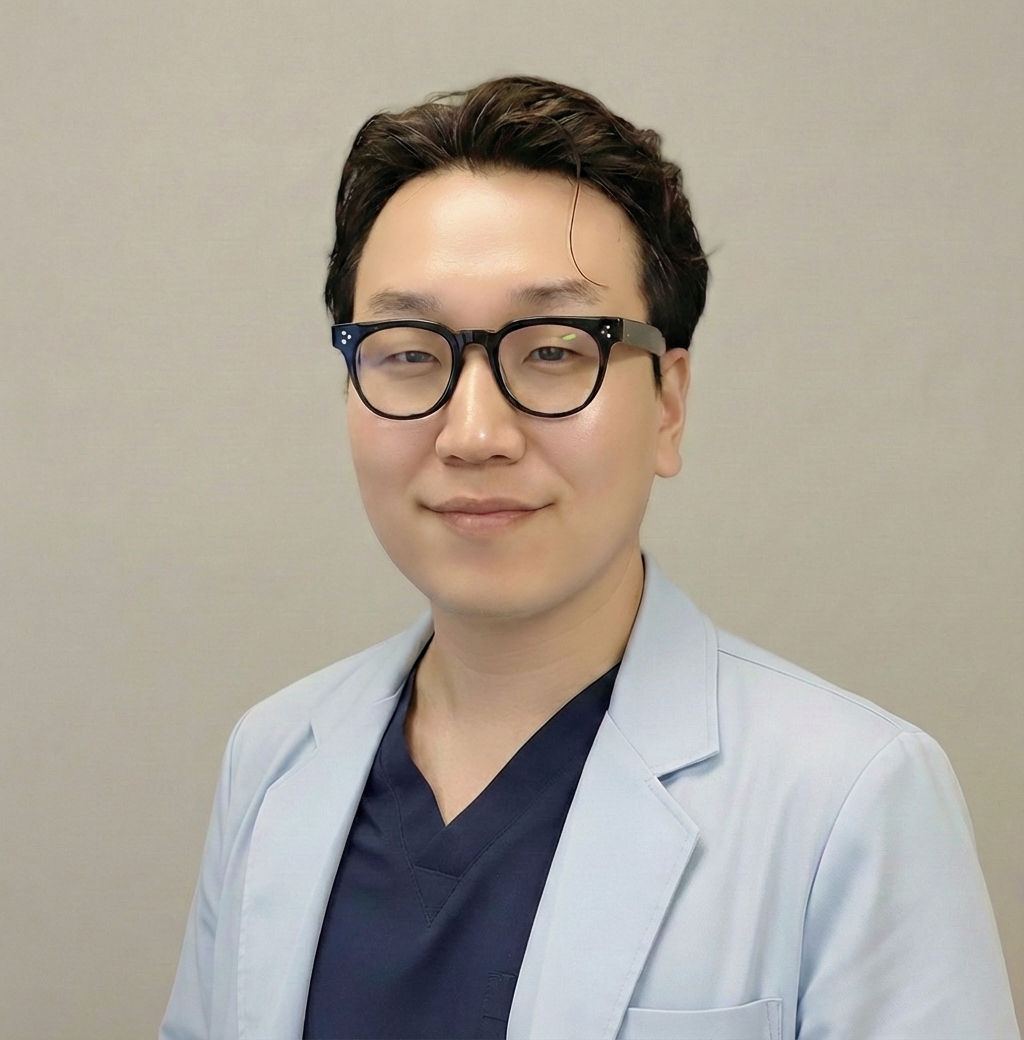
The director personally sees you from first to follow-up visits
We identify the essence through Sasang constitution, pulse and abdominal diagnosis
Treatment based on long clinical experience and evidence
Was this helpful? If you need accurate care for your condition, please contact us below.