
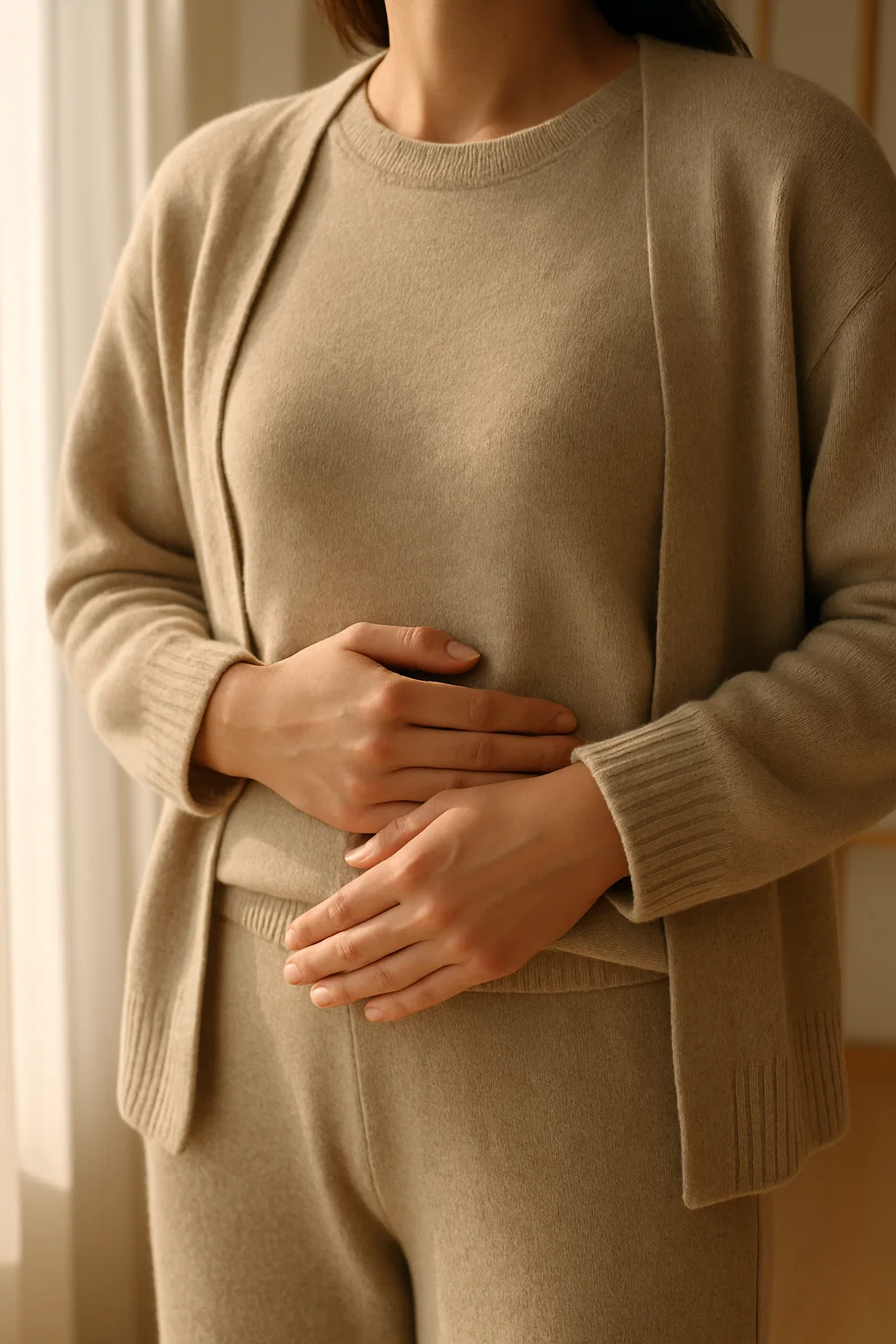
Q I stopped dairy and flour but my stomach is still uncomfortable after a few days. Can Korean medicine help fundamentally?
A Avoiding specific foods reduces symptoms but if the gut's processing capacity is not restored, the body will keep reacting to other foods or small amounts. Korean medicine treatment aims to restore spleen-stomach function and intestinal lining so a wider range of foods can be comfortably digested.
Detailed Answer
Elimination diets are essential for identifying trigger foods and reducing symptoms, but they do not enhance the intestinal lining's recovery capacity or the body's ability to produce digestive enzymes. This can easily lead to a vicious cycle where the range of tolerable foods keeps shrinking.
Korean Medicine Clinic Perspective
At the Korean medicine clinic, treatment focuses on improving the spleen-stomach's transforming and transporting function and restoring the intestinal lining through herbal medicine and acupuncture, thereby improving the body's overly reactive state to foods. As treatment progresses, the types and amounts of foods causing reactions are observed to decrease.
Related FAQs
-
Q
Even with food intolerance, will I be able to eat my favorite foods like before?
#Possibility / Realistic Goals
-
Q
I was also told I have irritable bowel syndrome. Is that the same as food intolerance? Can they be treated together?
#Comorbidities
-
Q
After eating, it isn't hives, but my face flushes and my skin itches. Does food intolerance also affect the skin?
#Comorbidities
-
Q
I work near Dongincheon Station and always eat out for lunch. Can I manage food intolerance while eating out?
#Lifestyle Management
-
Q
I heard probiotics are helpful—which ones should I choose and how should I take them?
#Lifestyle Management