
Sciatica
Sciatica
Sciatica running down the back of the leg from the buttocks

# Possibility / Realistic Goals (2)
Q I am a 56-year-old construction site manager. The hospital diagnosed my sciatica as being caused by a herniated disc and even suggested surgery. Is it possible to manage this with Korean traditional medicine treatment without surgery?
A. Unless there are emergency signs such as paralysis or bowel/urinary dysfunction, the majority of discogenic sciatica can be improved with conservative treatment, so it is generally recommended to attempt non-surgical treatment first. While monitoring the progress while combining acupuncture, moxibustion, pharmacopuncture, and herbal medicine, surgical evaluation should not be delayed if progressive muscle weakness occurs.
View details →Q I am a 61-year-old housewife. I have suffered from sciatica for nearly 10 years. Is there a possibility that such a long-standing condition can improve?
A. There is a possibility of improvement even for chronic sciatica. However, since adhesions, muscle atrophy, and pain sensitization are layered upon each other, staged treatment over several months is necessary rather than short-term treatment. It is also realistic to broaden the goal beyond just pain relief to include the restoration of range of activity and a reduction in the frequency of exacerbations. If 10 years of pain is reduced by half, your life will change.
View details →# Comorbidities (1)
# Lifestyle Management (2)
Q I am a 36-year-old developer. Please tell me about stretches that help with sciatica or home care methods I can do.
A. The basics include piriformis muscle stretching (lying down and pulling to form a figure-four), pulling the knee toward the chest, and light walking. However, during the acute phase when pain is severe, movements such as fully extending the legs and bending over, or excessive stretching, should be avoided as they can further irritate the nerve. The rule of standing up and walking for 10 minutes after sitting for 50 minutes is just as important as stretching.
View details →Q I am a 47-year-old nursing assistant who spends a lot of time standing at work. I wake up at night due to sciatica; are there any specific sleeping positions or bedding management tips?
A. Lying on your side with a pillow between your knees, or lying on your back with a cushion under your knees, helps reduce tension on the sciatic nerve and aids in sleep. You should lie down with the painful side facing downward, and a moderately firm mattress is better than a bed that sinks too much. Keeping your lower body warm before bed is also effective in relieving nighttime pain.
View details →# Safety (1)
# Drug Combination / Interactions (1)
# Prognosis / Recovery (2)
Q I am a 42-year-old working mom. I have been diagnosed with sciatica. How long does it usually take to get better? I am most curious about the duration because of childcare.
A. A significant number of acute sciatica cases show natural improvement within 4 to 6 weeks, and pain reduction can be accelerated if treatment is combined. However, for chronic cases lasting more than 3 months or cases accompanied by adhesions, it is generally recommended to schedule a treatment period of 4 to 12 weeks, with sessions held 1 to 2 times a week. If numbness has been present for a long time, sensory recovery follows more slowly than pain recovery.
View details →Q I am a 63-year-old retiree. My pain has decreased significantly, but numbness in the soles of my feet and calves has persisted for several months. Will this also recover?
A. If a nerve has been compressed for a long time, numbness or sensory abnormalities may remain for several months even after the pain subsides. Since nerves are tissues with a slow recovery rate, it takes time; however, if the cause of the compression is resolved, gradual recovery can be expected. A re-evaluation is necessary if the numbness progresses or is accompanied by weakness.
View details →# Causes Explained (2)
Q I am a 38-year-old office worker, and I have a tingling pain that travels down from my buttocks to my calves. My lower back doesn't hurt much, so why do my legs hurt?
A. Sciatica is a condition in which pain radiates to the buttocks, thighs, and calves when the sciatic nerve, originating from the lower back, is compressed or irritated due to conditions such as herniated discs, spinal stenosis, or piriformis muscle tension. It is also common for leg symptoms to appear without any pain in the lower back itself. Prolonged sitting increases both disc pressure and piriformis muscle tension, making it a major contributing factor.
View details →Q I am a 52-year-old delivery driver. Although the MRI showed no severe disc issues, I have deep pain in my buttocks and numbness in my legs. Is there such a thing as sciatica that isn't caused by a herniated disc?
A. Yes, piriformis syndrome is a prime example. The piriformis muscle, located deep within the buttocks, can harden or swell, compressing the sciatic nerve that passes directly beneath it and causing leg numbness similar to that of a herniated disc. It is common in occupations involving heavy lifting and extensive walking, and it is often differentiated based on physical examination findings and ultrasound rather than MRI.
View details →# Food / Triggers (2)
Q I am a 49-year-old office worker. Are there any foods I should avoid when I have sciatica? I tend to attend social gatherings where alcohol is served frequently.
A. It is advisable to reduce alcohol consumption, which can worsen nerve inflammation, as well as inflammation-inducing foods such as excessive flour, sugar, and fried foods. In particular, drinking fuels dehydration and inflammatory responses, and lowers sleep quality, thereby delaying pain recovery. An anti-inflammatory diet consisting of oily fish and vegetables is helpful.
View details →Q I am 55 years old and run a small clothing store in Dongincheon. My sciatica flares up every winter. Does the cold really worsen the pain?
A. Yes, the cold constricts muscles and blood vessels, reducing blood flow around the nerve and causing deep muscles like the piriformis to stiffen further, thereby aggravating the pain. The same applies to sitting on cold floors or chairs for extended periods. Keeping warm, using seat cushions, and maintaining a habit of getting up and moving every hour are important.
View details →# Treatment Schedule (1)
# Treatment Stages (2)
Q I am 44 years old and work at a logistics center. If I visit a Korean medicine clinic for the first time for sciatica, in what order is the treatment conducted?
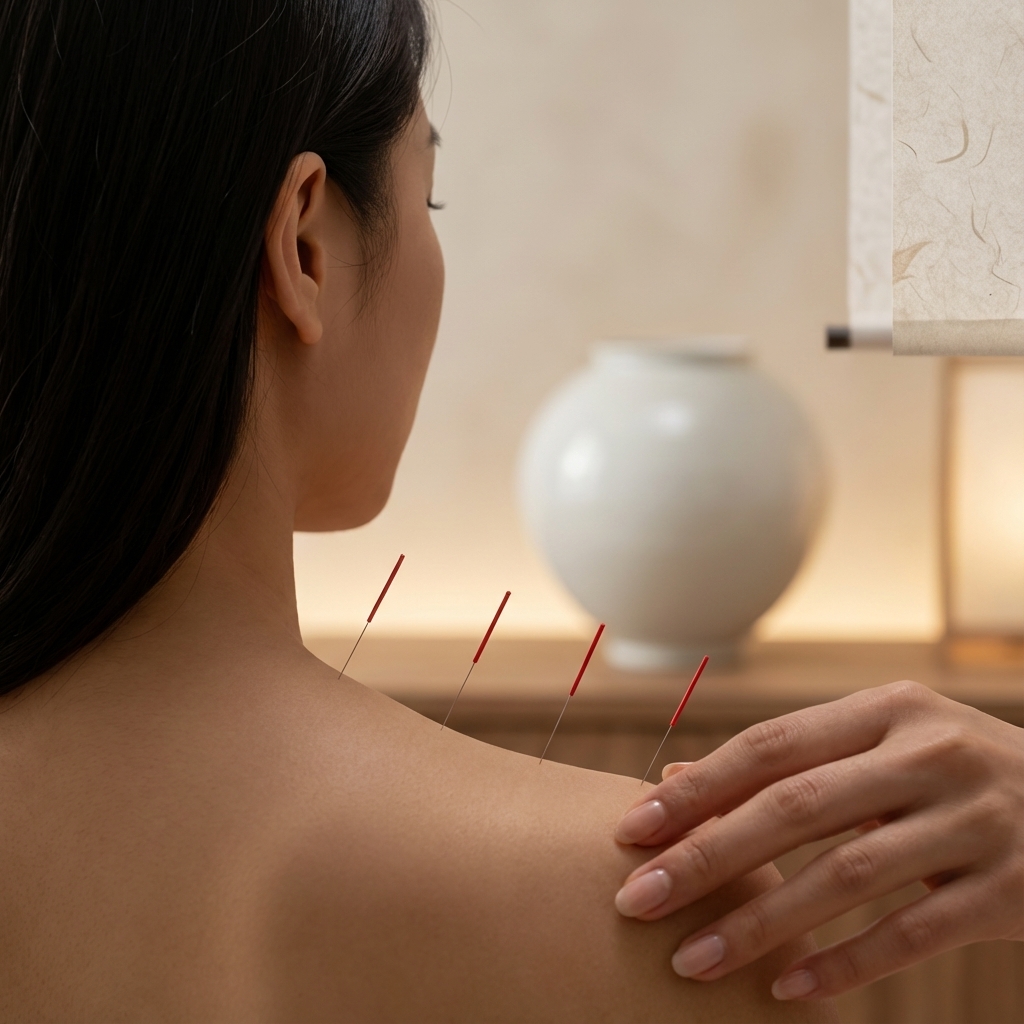
A. First, the cause of nerve compression (discogenic, piriformis syndrome, or adhesive) is identified through a physical examination and ultrasound. Subsequently, acupuncture treatment is initiated to monitor the response; if adhesions are the core issue, they are separated using needles, and if inflammation is severe, bee venom acupuncture or pharmacopuncture is added in stages. If regeneration is slow, fire acupuncture or thread embedding is added. If necessary, the internal environment is also managed using herbal medicine tailored to the patient's constitution.
View details →Q I am a 39-year-old Pilates instructor. I have heard that acupuncture is performed while observing with ultrasound. Why is ultrasound guidance necessary in the treatment of sciatica?
A. Because the sciatic nerve runs deep within the buttocks, it is difficult to accurately distinguish nerve, blood vessel, and adhesion sites using only tactile sensation. Using ultrasound guidance allows you to monitor the nerve's location in real-time and reach only the adhered tissues precisely, thereby increasing both treatment accuracy and safety.
View details →# Effectiveness (2)
Q I am a 45-year-old housewife. Is acupuncture really effective for sciatica? I am curious how it differs from just enduring the pain with painkillers.
A. Studies have reported that acupuncture treatment helps alleviate pain and improve function in sciatica. While painkillers focus on temporarily reducing pain signals, acupuncture and moxibustion treatments differ in that they address surrounding muscle tension, adhesions, and blood flow issues that compress the nerve.
View details →Q I am a 60-year-old self-employed individual. I have tried regular acupuncture several times, but the relief is only temporary. How is Dochim different from regular acupuncture, and is it better for sciatica?
A. While regular acupuncture aims to improve Qi and blood circulation and relieve muscle tension by stimulating acupoints, Dochim is a treatment that uses a needle with a blade-like tip to directly incise and dissect hardened adhesions and thickened ligaments surrounding the nerve. It is considered as the next step when regular acupuncture has reached its limits in cases of chronic sciatica where adhesions have formed.
View details →Sciatica is not just a simple symptom
Korean medicine that considers both your constitution and lifestyle rhythm treats the root cause.
From consultation to precise treatment, we provide personalized care.
Prescriptions tailored to your constitution and symptoms treat the root cause
The director personally sees you from first to follow-up visits
We identify the essence through Sasang constitution, pulse and abdominal diagnosis
Treatment based on long clinical experience and evidence
Was this helpful? If you need accurate care for your condition, please contact us below.