
Alopecia Areata
Alopecia Areata
Sudden patchy hair loss caused by immune response
# Possibility / Realistic Goals (1)
# Comorbidities (2)
Q I'm being treated for hypothyroidism, and alopecia areata appeared along with it. Are they related?
A. Thyroid disease and alopecia areata share an autoimmune mechanism, so they frequently occur together. An approach that manages both conditions together is more effective.
View details →Q I have fairly severe atopic dermatitis, and alopecia areata appeared along with it. Can both be treated together with Korean medicine?
A. Atopic dermatitis and alopecia areata share a hypersensitive immune response, so both can be addressed together with Korean medicine treatment aimed at immune stabilization.
View details →# Lifestyle Management (2)
Q I heard scalp massage helps with alopecia areata. How should I do it?
A. Gently massaging the scalp in circular motions with your fingertips helps improve blood circulation. Rubbing or scratching too hard can actually irritate the scalp, so it is important to be gentle.
View details →Q I'm in my 30s working night shifts in Dong-gu, Incheon. My sleep is irregular — could this affect alopecia areata?
A. Lack of sleep and irregular sleep weaken the ability to regulate the immune system and can worsen alopecia areata. Finding a regular sleep rhythm is important for improving treatment results.
View details →# Safety (2)
Q I am a woman in my 30s preparing for pregnancy. Will taking herbal medicine for alopecia areata interfere with my pregnancy preparations?
A. If you are sure to inform us during your consultation that you are preparing for pregnancy, we will select and prescribe safe medicinal herbs accordingly. In fact, general blood-tonifying herbal medicines often actually benefit your health while preparing for pregnancy.
View details →Q My elementary-school-aged child developed alopecia areata. Can children also receive Korean medicine treatment?
A. Children with alopecia areata can also receive Korean medicine treatment. We adjust the dosage of medicinal ingredients to the child's weight and constitution, and acupuncture is performed gently in a method designed for children.
View details →# Drug Combination / Interactions (1)
# Prognosis / Recovery (2)
Q It's been 3 months since a single bald patch appeared on my scalp, and I heard it can heal on its own. Should I just wait?
A. About 50% of single-patch alopecia areata recovers on its own. However, the other 50% may worsen or recur, so responding actively in the early stage is more favorable for the prognosis than leaving it alone.
View details →Q My hair loss has spread to more than half of my scalp. At this level, how long does treatment take and can I fully recover?
A. When the loss has spread beyond the multifocal stage, treatment takes longer than for a single patch and the prognosis varies. Even so, with persistent treatment without giving up, you can expect anywhere from partial recovery to substantial improvement.
View details →# Causes Explained (2)
Q I'm a woman in my 30s working full-time, and a bald patch about the size of a coin suddenly appeared on the back of my head. Why does alopecia areata happen?
A. Alopecia areata is an autoimmune disease in which the body's own immune cells mistake hair follicles for enemies and attack them. Genetic predisposition, stress, and thyroid disease are factors that can trigger its onset.
View details →Q I'm a man in my 40s. Early this year my work stress was extreme, and after that my hair began falling out in several spots. Does stress directly cause alopecia areata?
A. Stress is a major trigger and aggravating factor for alopecia areata. Extreme stress disrupts the balance of immune regulation and accelerates the appearance of bald patches in those who already have a predisposition.
View details →# Food / Triggers (2)
Q I'm a woman in my 20s. After developing alopecia areata I want to change my diet — are there specific foods that are good for hair?
A. Black-colored foods such as black soybeans, black sesame, and soy milk are good for hair nutrition. Nuts and tofu are also recommended. It is best to avoid crash diets or intermittent fasting, as they deplete Qi and blood and can worsen hair loss.
View details →Q I work as a hairdresser, so I do perms and dyeing frequently. Could this be related to alopecia areata?
A. Perms and dyeing themselves are not direct causes of alopecia areata, but repeated chemical irritation of the scalp adds extra burden to already weakened follicles. During treatment it is better for recovery to minimize irritation.
View details →# Treatment Schedule (1)
# Treatment Stages (2)
Q In what order does Korean medicine alopecia areata treatment proceed? Are there stages?
A. It proceeds broadly in three stages. First we calm the immune overreaction, then we increase scalp circulation and follicle nutrition supply, and finally we focus on constitutional improvement to prevent recurrence.
View details →Q When I first visit Dongjedang Korean Medicine Clinic in Dong-gu, Incheon, how does the consultation proceed?
A. At the first consultation we listen in detail about the extent, duration, and lifestyle related to your hair loss and determine the pattern diagnosis. After identifying whether it is Blood Deficiency with Wind-Dryness, Liver-Kidney Deficiency, or Qi Stagnation and Blood Stasis, we explain a tailored herbal prescription and acupuncture treatment plan together.
View details →# Effectiveness (1)
Alopecia Areata is not just a simple symptom
Korean medicine that considers both your constitution and lifestyle rhythm treats the root cause.
From consultation to precise treatment, we provide personalized care.
Prescriptions tailored to your constitution and symptoms treat the root cause
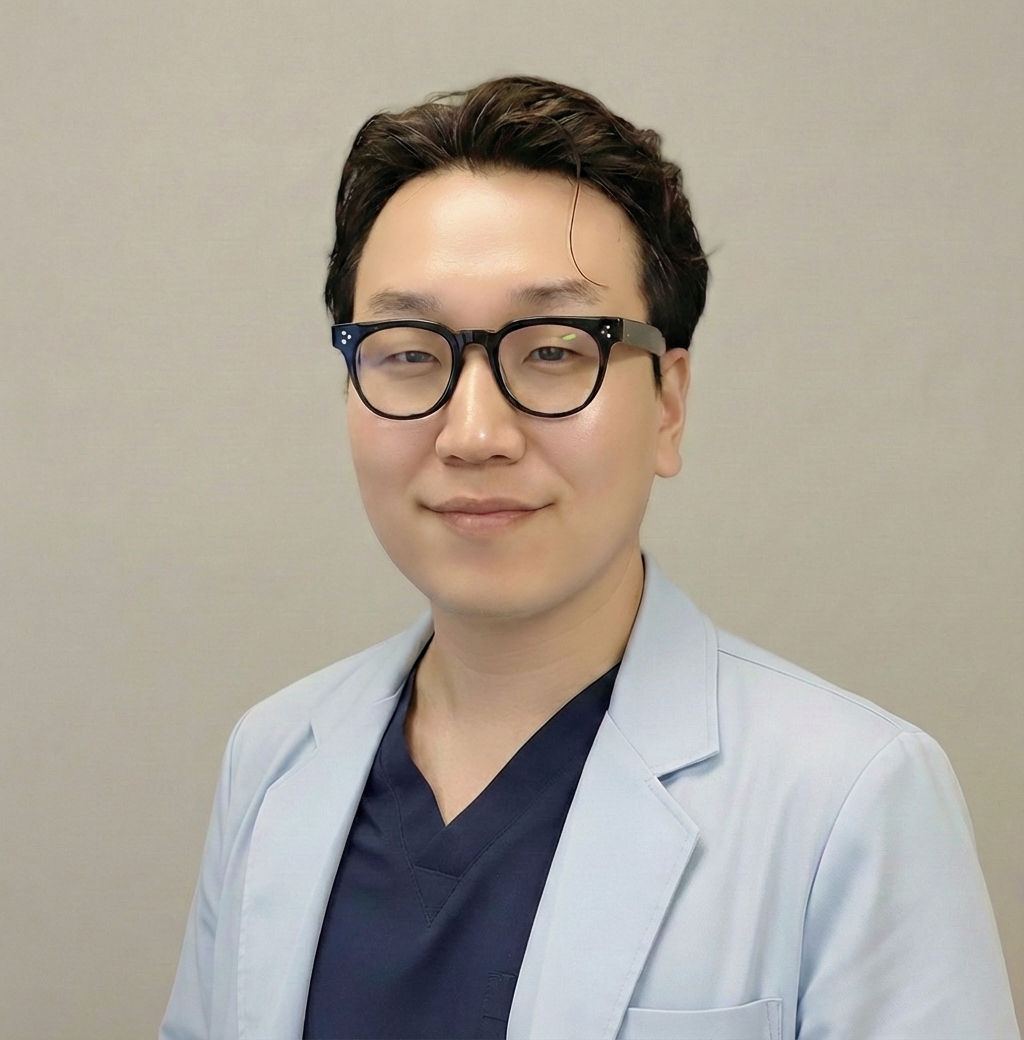
The director personally sees you from first to follow-up visits
We identify the essence through Sasang constitution, pulse and abdominal diagnosis
Treatment based on long clinical experience and evidence
Was this helpful? If you need accurate care for your condition, please contact us below.