
Eczema
Eczema
Itching and rash caused by skin inflammation
# Possibility / Realistic Goals (1)
# Comorbidities (2)
Q I am 35 and work in Dong-gu, Incheon. I heard that people with eczema often also develop asthma or allergic rhinitis. Is this true?
A. Eczema, asthma, and allergic rhinitis are a group of related conditions sharing a common root of immune hypersensitivity, so having one increases the likelihood of developing another. This is because impaired skin barrier function promotes systemic allergic sensitization. If you have eczema, it is advisable to also check for respiratory symptoms and manage them in an integrated way.
View details →Q I am 45 and live in Dong-incheon. I tend to have poor digestion and bloating. Does the condition of my stomach relate to eczema?
A. Impaired digestive function can be closely related to eczema. When the stomach is weak and waste and heat are not properly processed, they can accumulate in the body and lead to skin inflammation. Since spicy and greasy foods or alcohol can burden the stomach and simultaneously worsen eczema, managing digestive health is as important as managing skin health.
View details →# Lifestyle Management (2)
Q I am 42 years old and live in Dong-incheon. At night I am so itchy that I end up scratching until it oozes, and I lose sleep. What should I do when itchy?
A. When itchy, the most important thing is not to scratch, as scratching breaks the skin and causes oozing and increases the risk of secondary infection. Covering the affected area with a cold wet towel can cool the heat sensation and reduce the urge to scratch. For severe nighttime itching, intensifying moisturizing before bed and maintaining a cool sleeping environment improves sleep quality.
View details →Q I am a woman in my 20s living in Dong-gu, Incheon. After washing my face my skin feels tight and the eczema area gets worse. How should I moisturize?
A. Moisturizing is the basis of eczema management, and applying it when there is still some moisture remaining immediately after bathing or washing the face is most effective. Choose low-irritation products without fragrances or preservatives, and for eczema areas, creams or ointment types with higher moisture protection than lotion are better. Washing briefly with lukewarm water instead of hot water and avoiding strong soaps protects the skin barrier.
View details →# Safety (1)
# Drug Combination / Interactions (1)
# Prognosis / Recovery (2)
Q I am a 35-year-old office worker living in Dong-incheon. I was diagnosed with chronic eczema. Is a complete cure possible? How long does it usually take?
A. For chronic eczema, symptom control and relapse prevention are more realistic goals than a complete cure. When trigger avoidance, appropriate treatment, and lifestyle management are well executed, most patients can manage to a level with no impact on daily life. Treatment duration can range from several months to over a year depending on disease duration, extent, and cause, and consistent management has the greatest impact on prognosis.
View details →Q I am 45 years old and live in Dong-gu, Incheon. My eczema heals and then comes back every change of season. Are there ways to reduce relapses?
A. The key to relapse prevention is avoiding triggers, continuous moisturizing, and maintaining the skin barrier. Continuing consistent moisturizing and low-irritation lifestyle habits even after symptoms disappear helps lengthen the interval between relapses. Starting management a month or two before seasons known to worsen eczema and proactively preparing can reduce the severity of relapses.
View details →# Causes Explained (2)
Q I am in my 50s and have been running a raw fish restaurant in Hwapyeong-dong, Dong-gu, Incheon for 15 years. I keep my hands in cold water while working, and small blisters keep appearing on the sides of my fingers, oozing, and then peeling off. Why does this happen?
A. Small transparent blisters appearing in clusters on the sides of fingers or palms and soles, accompanied by itching, is a type of eczema called dyshidrotic eczema (pompholyx). It commonly occurs in people whose skin barrier is damaged and irritants accumulate from repeated exposure to water and detergents. Acute phase presents with oozing and swelling, while chronic phase shows peeling and thickening of skin.
View details →Q I am a 40-year-old office worker. Without any apparent contact, the inside of my arm suddenly became red and itchy. Don't you have to touch something for eczema to develop?
A. Eczema does not only occur from direct contact with an external substance; it can also develop when the body's immune system reacts excessively. Allergic contact dermatitis occurs when specific antigens are memorized by skin immune cells and trigger an immune response upon re-exposure. Even without a memory of contact, symptoms can appear when sweat, stress, and immune imbalance coincide.
View details →# Food / Triggers (2)
Q I am a 20-something office worker living in Dong-incheon. It seems like my eczema gets worse the day after drinking alcohol. Does food also affect eczema?
A. Alcohol and spicy or greasy food are representative triggers that heighten the body's inflammatory response and burden the digestive system, worsening eczema. While food is rarely the direct cause of eczema in adults, alcohol and irritating food intensify itching in almost all patients. Since trigger foods differ by individual, keeping a food diary to identify your own patterns is recommended.
View details →Q I am in my 60s and have lived in Songlim-dong, Dong-gu, Incheon for a long time. When there is a lot of dust in the house or I take a long bath, my skin gets itchier. Do environment and bathing habits also affect eczema?
A. Environmental factors such as house dust and mold, as well as excessive bathing and use of strong cleansers, can weaken the skin barrier and worsen eczema. Washing with hot water for a long time strips the skin's oil film, making it drier and itchier. It helps to bathe briefly with lukewarm water, apply moisturizer immediately after, and manage bedding and indoor humidity.
View details →# Treatment Schedule (1)
# Treatment Stages (2)
Q I am 28 years old and live in Dong-incheon. What is the order of eczema treatment at Dongjeedang?
A. Dongjeedang eczema treatment proceeds in 3 stages: heat-clearing detoxification, immune stabilization, and skin regeneration. First, internal heat toxins and waste are expelled to reduce itching and inflammation; next, the five organs are balanced to stabilize the overreactive immune system; and finally, the damaged skin barrier is regenerated to prevent relapses. Herbal medicine and acupuncture are combined according to constitution and symptoms at each stage.
View details →Q I am in my 50s in Dong-gu, Incheon. Is the treatment different for oozing eczema versus thick, scaly eczema?
A. Even with the same eczema, treatment direction differs by symptom pattern. The type with nighttime itching and oozing is treated mainly with heat-clearing detoxification to reduce internal damp-heat, while the type with lichenification (skin thickening and scaling) is treated in the direction of nourishing blood to support and regenerate skin. At Dongjeedang, pattern diagnosis is performed at the initial consultation to determine which type it is before deciding on the prescription.
View details →# Effectiveness (2)
Q I am a housewife in my 30s living in Dong-incheon. Applying steroid ointment helps temporarily but the eczema returns quickly after stopping. Can herbal medicine help with fundamental treatment?
A. Topical steroids quickly reduce inflammation, but they do not address the underlying cause of repeated relapses, namely immune hypersensitivity and weakened skin barrier. Korean medicine treatment helps by expelling internal heat toxins and waste, stabilizing the overreactive immune system, and extending the interval between relapses. An integrated approach of using Western medicine during the acute phase and correcting constitution with herbal medicine during the stable phase is recommended.
View details →Q I am a 50-year-old Korean restaurant owner working in Dong-gu, Incheon. Because I work in front of hot flames, my hands and feet get hot every change of season and eczema keeps recurring. Is acupuncture really effective?
A. Acupuncture helps regulate skin immune balance, alleviate itching signals, and reduce stress, so it is used as an adjunct treatment for eczema. It is especially effective when combined with herbal medicine for chronic and relapsing eczema. For people who work in heat-accumulating environments like in front of flames, acupuncture should be used to disperse heat while also following lifestyle management such as moisturizing after work.
View details →Eczema is not just a simple symptom
Korean medicine that considers both your constitution and lifestyle rhythm treats the root cause.
From consultation to precise treatment, we provide personalized care.
Prescriptions tailored to your constitution and symptoms treat the root cause
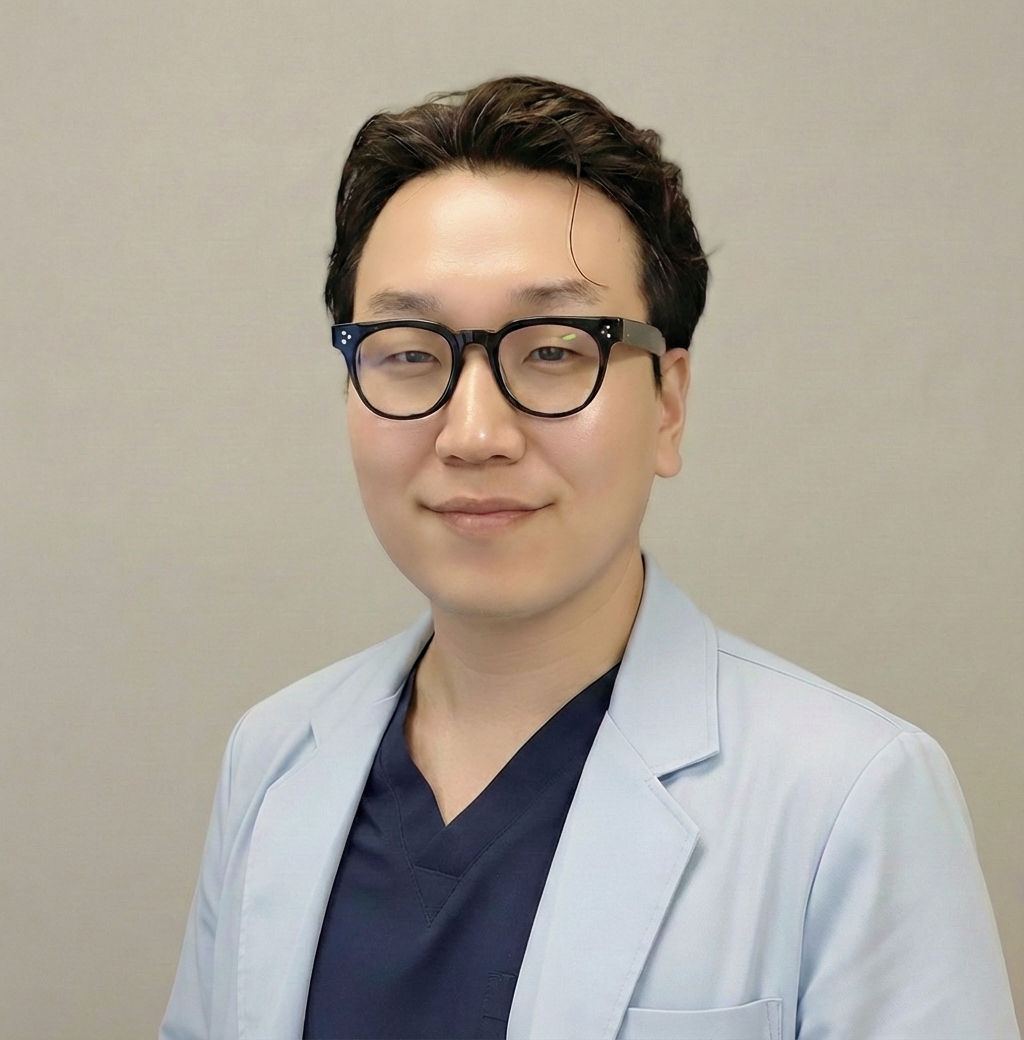
The director personally sees you from first to follow-up visits
We identify the essence through Sasang constitution, pulse and abdominal diagnosis
Treatment based on long clinical experience and evidence
Was this helpful? If you need accurate care for your condition, please contact us below.