
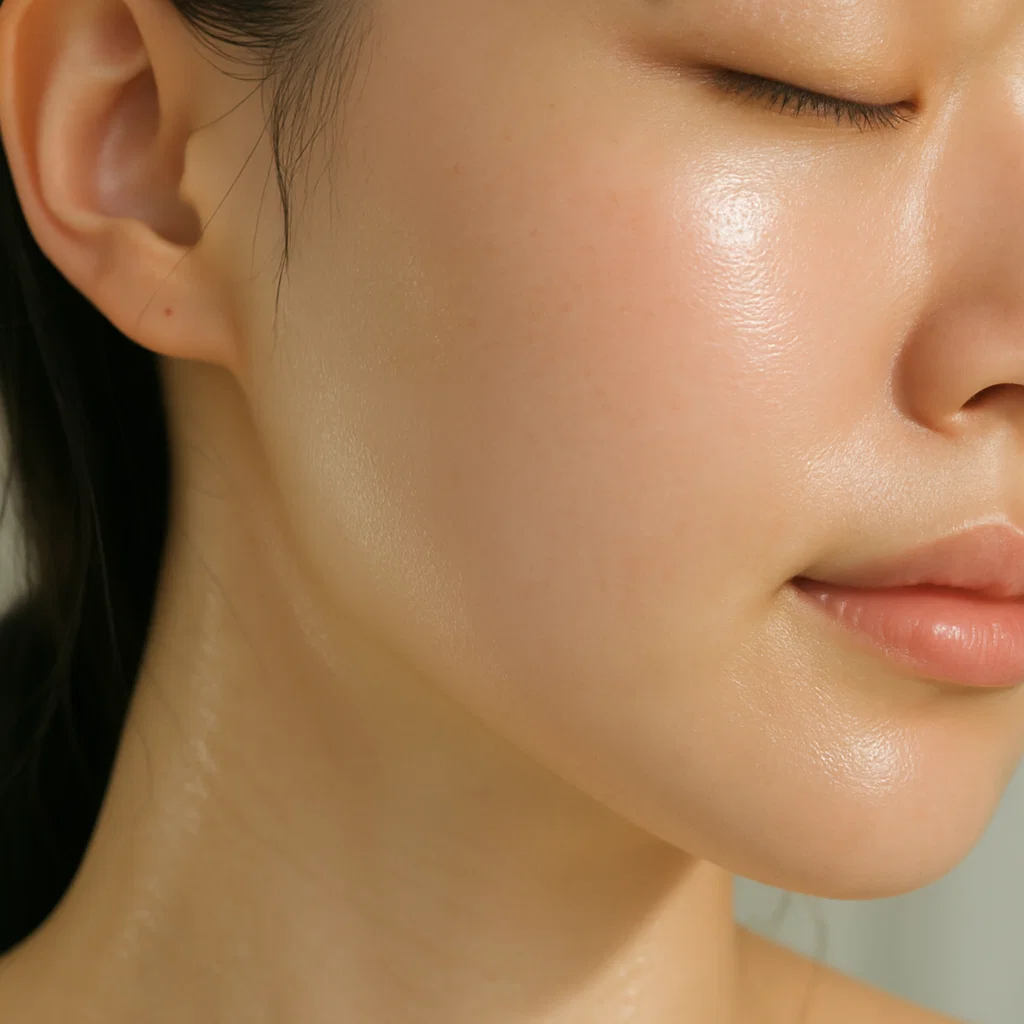
Keratosis Pilaris
Keratosis Pilaris
Rough bumpy skin from keratin buildup in hair follicles
# Possibility / Realistic Goals (1)
# Comorbidities (2)
Q I have both atopic dermatitis and severe bumpy arms. Can they be treated together?
A. Atopy and keratosis pilaris often appear together, and a direction that restores skin barrier function and reduces inflammation helps both conditions in common. Blood-nourishing, dryness-moistening treatment that addresses blood-deficiency wind-dryness can approach both conditions from the same root.
View details →Q The bumpy areas are dry and sometimes turn red like eczema. Can keratosis pilaris and eczema occur together?
A. Areas affected by keratosis pilaris can develop eczematous reactions due to severe dryness. When the two conditions overlap, the skin can become itchy and red, so moisturizing and barrier restoration take priority over exfoliation, and Korean medicine treatment also focuses in this direction.
View details →# Lifestyle Management (2)
Q What is the best cleansing and moisturizing routine for keratosis pilaris? Can I use an exfoliating scrub towel?
A. The key is to wash briefly with a gentle cleanser and apply plenty of moisturizer right away while the skin is still damp. Avoid strong physical friction such as scrub towels because they damage the skin barrier, and including an AHA lotion in your daily moisturizing routine helps.
View details →Q What daily habits should I change to keep keratosis pilaris from getting worse?
A. The key points are: reduce hot showers, avoid tight synthetic-fiber clothing, drink enough water, and limit greasy foods. Reducing habits that repeatedly rub the skin and consistently moisturizing are most important.
View details →# Safety (2)
Q The bumps that used to be only on my arms suddenly spread all over my body and the itching has become severe. Is this still just keratosis pilaris?
A. Keratosis pilaris usually has minimal itching and is limited to the arms, thighs, and cheeks. If it suddenly spreads over the whole body or is accompanied by severe itching and redness, it is safest to see a dermatologist first to rule out other skin conditions.
View details →Q My elementary-school child has bumps on the arms. Is it safe for children to take herbal medicine?
A. Keratosis pilaris is also common in children, and Korean medicine treatment prepares a separate pediatric prescription suited to the child's age. Rather than the same prescription as for adults, the dosage and ingredients are adjusted to the child's weight and constitution so it can be applied safely.
View details →# Drug Combination / Interactions (1)
# Prognosis / Recovery (2)
Q I heard keratosis pilaris improves on its own, but can it persist even into adulthood?
A. Keratosis pilaris is most severe in adolescence and tends to improve naturally with age. However, in some people it persists into adulthood, and improvement can be slower especially in those with a dry constitution or an atopic foundation.
View details →Q If I receive Korean medicine treatment, how long until the bumps on my arms improve?
A. It varies by individual constitution and severity, but typically with 2-3 months of consistent blood-nourishing, dryness-moistening treatment, you begin to feel skin dryness ease and the bumps soften. Rather than complete flattening, we set realistic goals of improved texture and reduced redness.
View details →# Causes Explained (2)
Q The back of my arms feels bumpy like goosebumps - what is keratosis pilaris?
A. Keratosis pilaris is a very common skin condition in which excess keratin (a protein) builds up around the openings of hair follicles, creating small, firm bumps that look like permanent goosebumps on the backs of the arms, thighs, and cheeks. Up to 40% of people experience it, and it is neither infectious nor contagious.
View details →Q My mother also had severe bumpy arms - is keratosis pilaris hereditary? Is it worse if I also have atopic dermatitis?
A. Keratosis pilaris has a strong autosomal dominant hereditary tendency, so if a parent has the same skin condition, a child is likely to develop it too. It often appears together with atopic dermatitis, and because the skin barrier function is weaker in that case, it tends to be more pronounced.
View details →# Food / Triggers (2)
Q Are there foods I should especially avoid with keratosis pilaris? I have heard that flour and dairy are bad.
A. There is limited scientific evidence that any specific food directly causes keratosis pilaris, but greasy foods, refined sugar, flour, and dairy can stimulate skin inflammation and oil, so it is best not to overeat them. Drinking enough water is the most important thing.
View details →Q Every winter the bumps on my arms get much worse, and they seem to flare up more after scrubbing. Why is that?
A. Dry seasons and harsh physical exfoliation are classic aggravating factors for keratosis pilaris. Lowered humidity in winter draws moisture out of the skin, and scrubbing with abrasive towels damages the skin barrier, which actually causes keratin to build up faster.
View details →# Treatment Schedule (1)
# Treatment Stages (2)
Q In what order does a Korean medicine clinic treat keratosis pilaris?
A. First we assess your bodily state through blood-deficiency wind-dryness and spleen-deficiency pattern diagnosis, then begin supplying fluids to the skin's extremities with blood-nourishing, dryness-moistening herbal medicine. At the same time we guide moisturizing routines and dietary adjustments, and adjust the prescription as progress continues, leading into long-term management that reduces recurrence.
View details →Q I am visiting a Korean medicine clinic for the first time about keratosis pilaris. Is there anything I should prepare in advance?
A. It helps to take photos of the affected areas beforehand and to organize the names of the moisturizers and AHA skincare products you have used so far, your history of atopy or allergies, and whether any family members have the bumps. This makes the consultation more accurate.
View details →# Effectiveness (1)
Keratosis Pilaris is not just a simple symptom
Korean medicine that considers both your constitution and lifestyle rhythm treats the root cause.
From consultation to precise treatment, we provide personalized care.
Prescriptions tailored to your constitution and symptoms treat the root cause
The director personally sees you from first to follow-up visits
We identify the essence through Sasang constitution, pulse and abdominal diagnosis
Treatment based on long clinical experience and evidence
Was this helpful? If you need accurate care for your condition, please contact us below.