
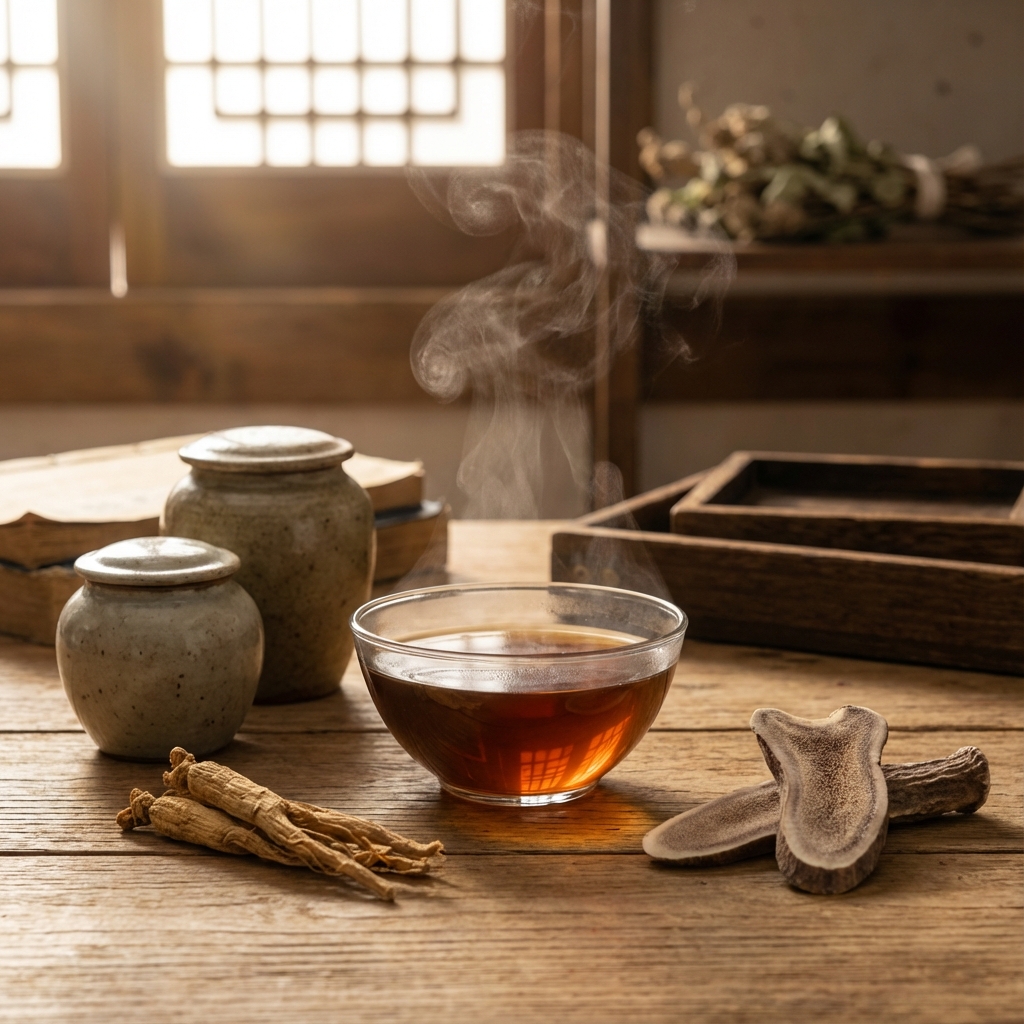

Q They say tests can't find a cause. How can Korean medicine address cold sensitivity of unknown cause?
A Rather than searching for a specific disease name, Korean medicine looks at where the circulatory balance that generates and distributes heat throughout the body has broken down. That is why an approach tailored to your body's condition is possible even for cold sensitivity that tests cannot explain.
Detailed Answer
Modern medical tests are strong at finding disease in specific organs, but often fail to reveal cold sensitivity where only circulatory and heat-generating function has declined without a clear disease. This is why it is common to have cold hands and feet even with normal thyroid and anemia results—"normal on tests" and "actual cold sensitivity" can coexist.
Our Korean Medicine Clinic's Perspective
Korean medicine takes the body's state of balance, not a disease name, as the unit of diagnosis. Through pulse diagnosis and consultation, it identifies whether warming energy is lacking, blood is insufficient, or where circulation is blocked, and corrects that imbalance. So even for cold sensitivity that tests cannot pin down, there is room to act by restoring circulatory balance.
Related FAQs
-
Q
Will herbal medicine really make my hands and feet warm like everyone else's? Please tell me honestly.
#Possibility / Realistic Goals
-
Q
Along with cold sensitivity, I also have numbness in my hands and feet, menstrual pain, and indigestion. Can these improve together too?
#Comorbidities
-
Q
Every winter my hands and feet get so cold I can't even fall asleep. How should I manage cold sensitivity at home?
#Lifestyle Management
-
Q
I heard exercise helps with cold sensitivity. What kind of exercise should I do and how?
#Lifestyle Management
-
Q
If I take warming herbal medicine for a long time, could heat build up in my body or could I develop tolerance to it?
#Safety