
Menstrual Pain / Irregularity
Menstrual
Menstrual-related conditions
# Possibility / Realistic Goals (1)
# Comorbidities (2)
Q Before every period I get headaches, breast pain, and even swelling all at once, and it's so hard. Will these get better together too?
A. Headaches, breast pain, swelling, and fatigue around the period are common accompanying symptoms that appear together due to hormonal changes. They often arise from the same underlying basis as menstrual pain, so they tend to improve together when the body's balance is restored.
View details →Q My menstrual cramps were so severe that I got tested and found I have endometriosis. Does Korean medicine treatment have any meaning in a case like this?
A. When there is a secondary cause such as endometriosis, OB-GYN treatment comes first. Alongside that, Korean medicine treatment can be used together in a supportive role to help relieve pain, manage overall condition, and support pelvic circulation.
View details →# Lifestyle Management (2)
Q When my lower abdomen suddenly hurts during my period, is there anything I can do at home right away?
A. Applying a warm compress to the lower abdomen and drinking lukewarm water helps relieve the pain. Light stretching or rest is also good, and it's best to avoid tight clothing.
View details →Q What everyday habits can I build to reduce menstrual cramps and cycle irregularity?
A. The key points are keeping the lower abdomen warm, reducing cold foods, going to bed before 11 p.m., and taking a light 20-30 minute walk each day. Managing your diet by cutting back on sweet drinks and flour-based foods also makes a big difference.
View details →# Safety (1)
# Drug Combination / Interactions (1)
# Prognosis / Recovery (2)
Q I've had menstrual cramps for over ten years since my school days. Can it really get better now, after all this time? How long does treatment usually take?
A. Even long-standing menstrual pain can become considerably more comfortable once uterine circulation and function recover. We usually treat steadily for two to three months (two to three cycles), aiming to reduce the intensity and frequency of the pain.
View details →Q Even after treatment improved things, my cycle gets disrupted again whenever I'm under heavy stress. Can recurrence be prevented?
A. The menstrual cycle is closely tied to lifestyle factors such as stress, weight changes, and sleep, so management matters. By building up the body's foundation and managing your daily rhythm together, you can lengthen the interval between recurrences and reduce the fluctuations.
View details →# Causes Explained (2)
Q Every month, the moment my period starts, my lower abdomen cramps as if it's being wrung out. Why does menstrual pain happen?
A. Menstrual pain occurs when a substance called prostaglandin, released from the uterine lining, makes the uterine muscle contract excessively. It is divided into primary dysmenorrhea, which occurs without any specific disease, and secondary dysmenorrhea, in which an underlying condition such as endometriosis or uterine fibroids is hidden.
View details →Q My cycle is all over the place—some months 23 days, others 45 days. Why do irregular periods happen?
A. Irregular periods usually occur because ovulation does not happen regularly. Common backgrounds include polycystic ovary syndrome, hypothalamic hormone imbalance, rapid weight changes, and stress.
View details →# Food / Triggers (2)
Q I'm an office worker in my 20s who always has an iced Americano in hand. Is cold food really related to menstrual cramps?
A. Cold foods and drinks chill the lower abdomen and reduce pelvic blood circulation, which becomes a factor that worsens menstrual pain. In many cases, simply switching to warm foods reduces the intensity of the pain.
View details →Q I have polycystic ovary syndrome, so I gain weight easily and often skip periods. What foods should I avoid?
A. Sweet drinks, snacks, and flour-based foods can raise insulin resistance and worsen polycystic ovary syndrome and irregular periods. Reducing these foods and managing your weight is a great help in restoring the cycle.
View details →# Treatment Schedule (1)
# Treatment Stages (2)
Q What is the specific order in which Korean medicine treatment proceeds?
A. After identifying the cause of the pain and cycle through examination, treatment proceeds in stages: warming the cold uterus (ongung), dispersing the clotted blood stasis (hwalhyeol), and finally reinforcing ovarian function (boyang) to prevent recurrence.
View details →Q I'm looking for somewhere to visit near Dong-gu, Incheon. What should I prepare before the consultation?
A. If you organize your period start dates and durations over the past few months, the times when pain is worst, the medications you are taking, and any OB-GYN examination results, your consultation will be faster and more accurate.
View details →# Effectiveness (2)
Q I can't get through work without painkillers. Can herbal medicine really reduce menstrual cramps?
A. Herbal medicine and acupuncture are used to support uterine blood flow and relieve pain. Unlike painkillers that suppress pain moment by moment, this approach changes the underlying state of the body in which pain tends to occur, aiming to lower the intensity and frequency of the pain that recurs each month.
View details →Q My cycle is so irregular—can acupuncture bring my period back to a regular schedule?
A. Acupuncture and herbal medicine are used to support the blood flow and hormonal balance of the uterus and ovaries, helping to even out ovulation and the menstrual cycle. However, the speed of recovery varies by cause, so we usually observe and adjust over the course of two to three cycles or more.
View details →Menstrual Pain / Irregularity is not just a simple symptom
Korean medicine that considers both your constitution and lifestyle rhythm treats the root cause.
From consultation to precise treatment, we provide personalized care.
Prescriptions tailored to your constitution and symptoms treat the root cause
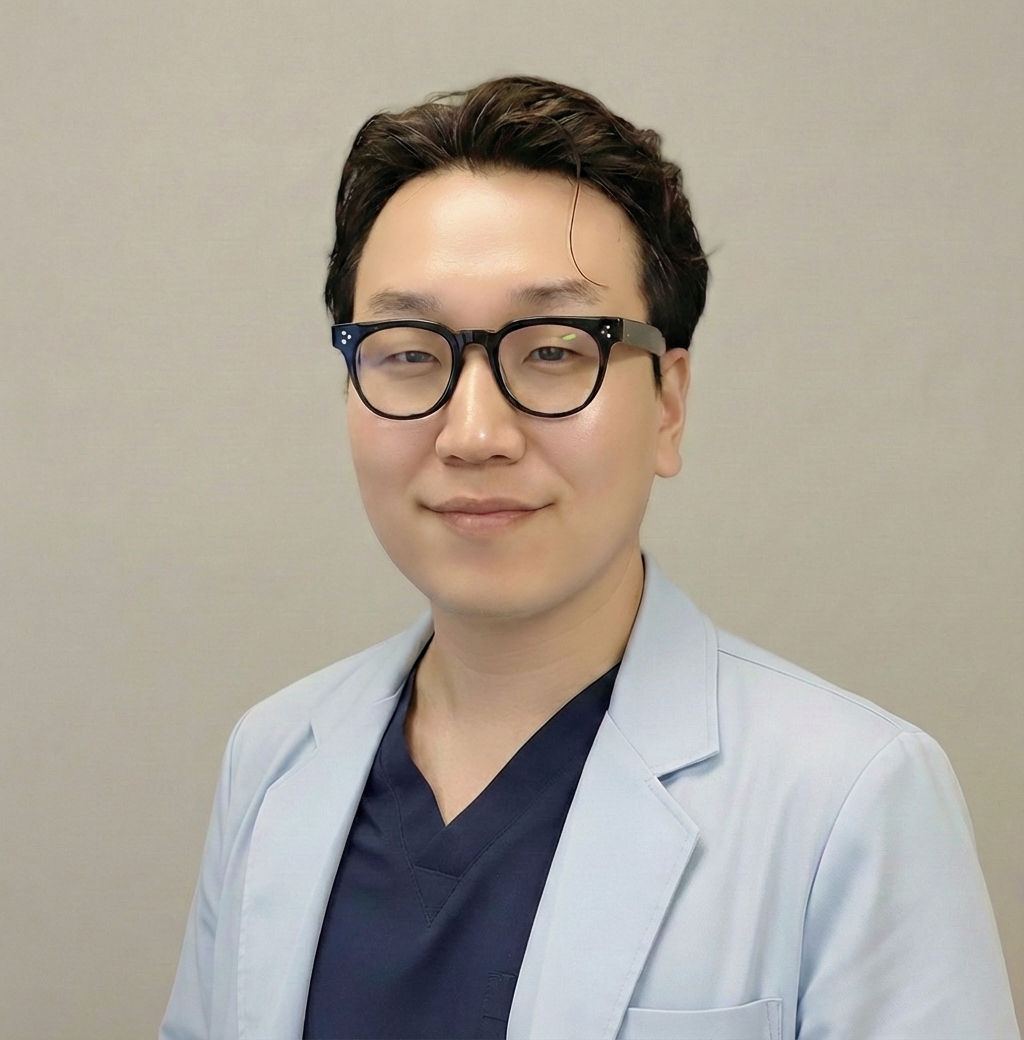
The director personally sees you from first to follow-up visits
We identify the essence through Sasang constitution, pulse and abdominal diagnosis
Treatment based on long clinical experience and evidence
Was this helpful? If you need accurate care for your condition, please contact us below.