
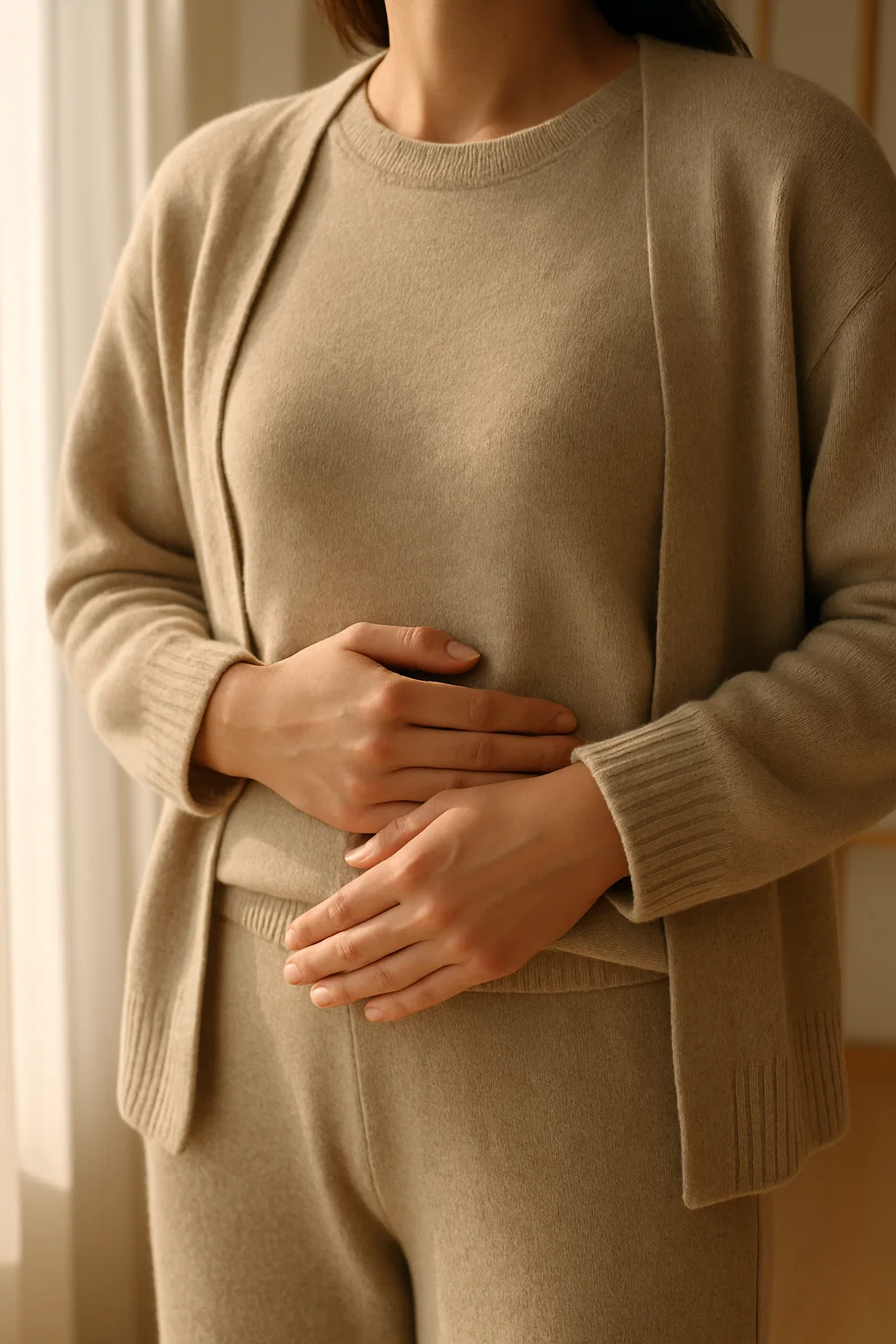
Damjeok (Digestive Toxin)
Damjeok
Korean medicine condition where toxins accumulate in the digestive tract
# Possibility / Realistic Goals (1)
# Comorbidities (1)
# Lifestyle Management (2)
Q When my stomach feels blocked and stuffy, is there anything I can do at home right away?
A. Sip lukewarm water slowly, and if it's after a meal, don't lie down—walk lightly. Keep the area around the epigastrium warm and avoid clothing that constricts the abdomen.
View details →Q What habits help reduce damjeok in daily life?
A. Eating slowly and in small amounts, keeping regular meal times, reducing late-night snacks and greasy food, and a light walk after meals are key. Small habit changes greatly reduce stomach stagnation.
View details →# Safety (2)
Q I'm scared the hard lump I feel in my epigastrium might be something serious. Can I be reassured it's damjeok?
A. Most cases are damjeok hardening, but a hard abdominal mass can also be an organic lesion such as stomach cancer or pancreatic disease, so differentiation is essential. If you have warning symptoms like unexplained weight loss or severe pain, you must get a detailed examination first.
View details →Q My stomach is weak — could taking Damjeok herbal medicine for a long time strain my stomach or liver?
A. The herbalist prescribes based on your constitution and stomach condition to minimize any burden. Properly prescribed herbal medicine is managed to avoid affecting liver function, and it actually helps strengthen the weakened digestive and absorptive function of the spleen and stomach.
View details →# Drug Combination / Interactions (2)
Q I'm taking stomach medicine from an internal medicine clinic. Is it okay to take damjeok herbal medicine together?
A. It's fine to take them together if you space them out. We usually advise taking herbal and Western medicine about 1-2 hours apart, and as symptoms improve we gradually reduce the Western medication.
View details →Q I frequently buy digestive aids from the pharmacy. If I start Korean medicine treatment, do I have to stop them?
A. You don't have to stop them right away. The digestive aids you use when in a hurry can be continued for a while, and as treatment releases the stagnation and reduces symptoms, you'll naturally reach for them less.
View details →# Prognosis / Recovery (2)
Q I've been bloated and stuffy in the epigastrium for years. Can I really become comfortable like before? How long does treatment usually take?
A. Even long-standing damjeok can become much more comfortable once stomach motility revives. Treatment usually continues steadily for 1-3 months, aiming for a noticeable reduction in stuffiness and whole-body fatigue.
View details →Q I improve with treatment, but the stuffiness returns when I'm stressed or overeat. Can recurrence be prevented?
A. Damjeok is closely tied to diet and stress, so management is important. By restoring spleen-stomach function and combining diet and stress management, you can lengthen the interval between relapses and lower their intensity.
View details →# Causes Explained (1)
# Food / Triggers (2)
Q I work shifts and often eat late-night snacks. Will treatment work even if I can't fix all my eating habits?
A. Late-night snacks, overeating, and greasy food are direct factors that re-accumulate waste in the stomach and grow damjeok. Treatment proceeds even if you can't fix everything perfectly, but reducing them together makes recovery much faster.
View details →Q Which foods especially worsen damjeok? I want to know what to avoid.
A. Greasy food, flour and instant foods, cold and sweet foods, and overeating are the main ones. Eating fast also increases the stomach's burden. Just eating slowly and in small amounts and moving lightly after meals reduces stagnation.
View details →# Treatment Schedule (2)
Q I run a small shop in Dong-gu and find it hard to come often. Realistically, how often do I need to visit?
A. You don't need to come every day. Treatment usually involves acupuncture once or twice a week along with herbal medicine taken daily, so even busy people can be treated while maintaining their daily life.
View details →Q I'm looking for a place near Dong-gu, Incheon. How does the first damjeok consultation proceed?
A. At the first visit, we listen in detail to your symptoms, eating habits, and lifestyle, and examine the stomach condition through abdominal and tongue diagnosis. Based on this, we decide together on a treatment plan, herbal prescription, and lifestyle management direction.
View details →# Treatment Stages (1)
# Effectiveness (2)
Q I had an endoscopy at an internal medicine clinic in Dongincheon and my stomach is clean. But I'm always bloated—can this improve with Korean medicine?
A. Even without clear abnormalities on endoscopy, functional problems with reduced stomach motility are common. Stagnation and lowered motility like damjeok, which don't show well on tests, are an area where Korean medicine shows strength.
View details →Q I keep taking digestive aids and stomach medicine, but the relief is only temporary, and it isn't fundamentally improving. Is traditional Korean medicine different?
A. Digestive aids only assist with digestion in the moment, leaving the gastrointestinal environment where waste accumulates unchanged. Traditional Korean medicine aims to resolve stagnant phlegm and restore spleen and stomach functions, seeking a state where one does not rely on medication.
View details →Damjeok (Digestive Toxin) is not just a simple symptom
Korean medicine that considers both your constitution and lifestyle rhythm treats the root cause.
From consultation to precise treatment, we provide personalized care.
Prescriptions tailored to your constitution and symptoms treat the root cause
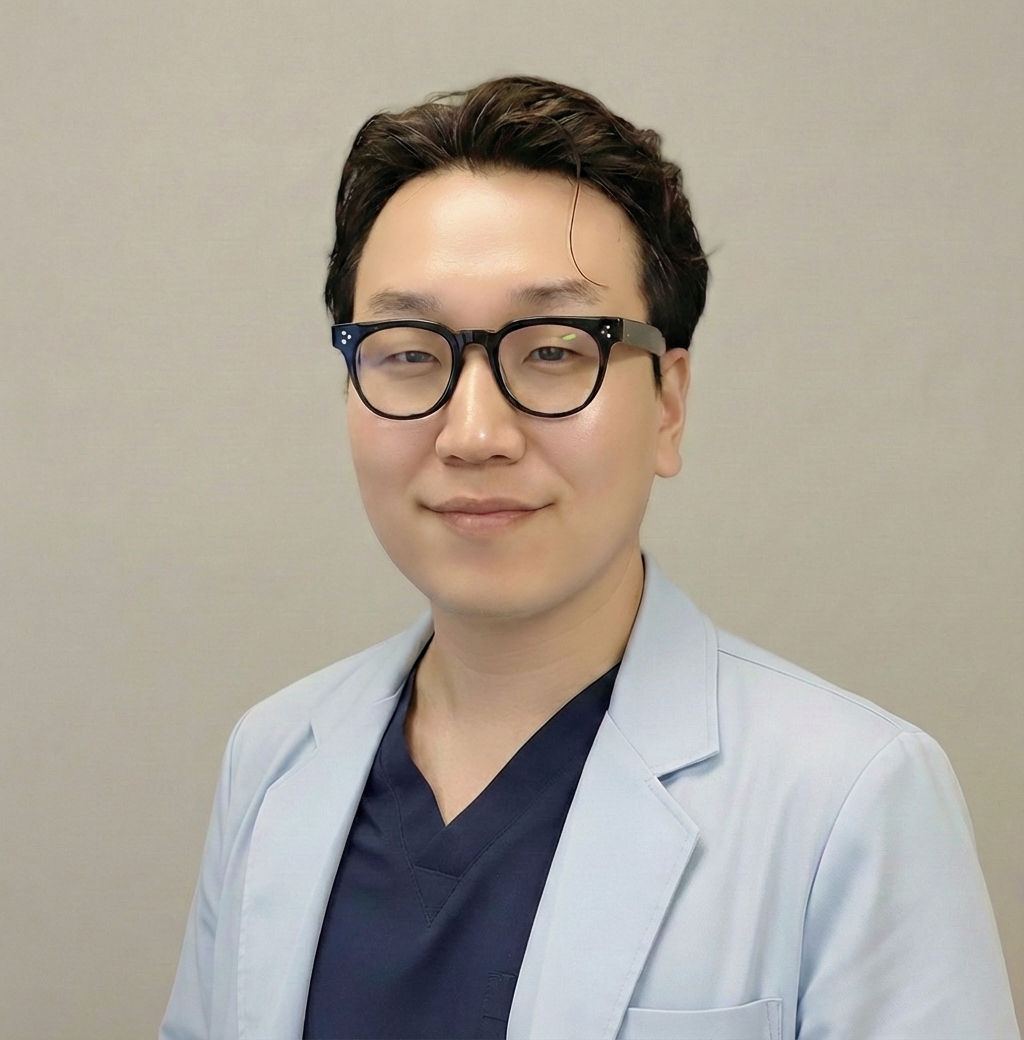
The director personally sees you from first to follow-up visits
We identify the essence through Sasang constitution, pulse and abdominal diagnosis
Treatment based on long clinical experience and evidence
Was this helpful? If you need accurate care for your condition, please contact us below.