
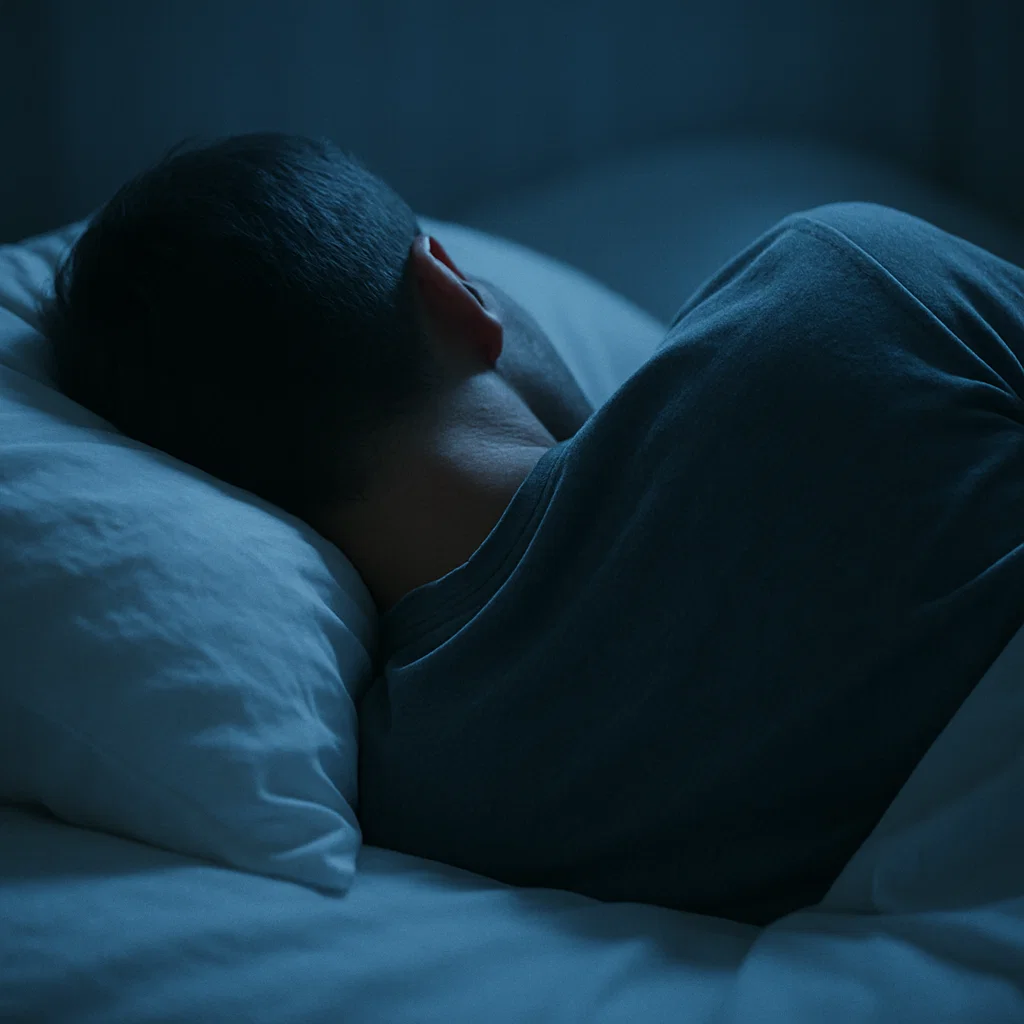
Panic Disorder
Panic Disorder
Sudden terror and physical symptoms
# Possibility / Realistic Goals (1)
# Comorbidities (1)
# Lifestyle Management (2)
Q Is there a method I can use immediately when I feel a panic attack is about to occur?
A. Immediately using abdominal breathing (the 4-7-8 breathing method) and grounding techniques is effective in reducing the intensity of the attack.
View details →Q How should I manage sleep when I have panic disorder?
A. Maintaining a regular sleep schedule and eliminating stimulating inputs before bedtime are the core lifestyle strategies for reducing panic attack frequency.
View details →# Safety (2)
Q Will taking herbal medicine for panic disorder make me more anxious or cause side effects?
A. Herbal medicine for panic treatment is prescribed with a sedative and calming effect, so it generally does not worsen anxiety; however, digestive discomfort or drowsiness may occur rarely.
View details →Q When should I go to the emergency room during a panic attack?
A. If it is your first attack or chest pain and shortness of breath are extreme, you must go to the emergency room immediately to rule out a heart attack.
View details →# Drug Combination / Interactions (2)
Q Is it okay to take herbal medicine while taking SSRI anti-anxiety medication?
A. While the combined use of SSRIs and herbal medicine is generally possible, you must inform the prescribing Korean medicine doctor of any medications you are currently taking, and it is necessary to verify that the medication does not contain St. John's Wort.
View details →Q I'm worried about becoming dependent on benzodiazepines. Can Korean medicine replace them?
A. Benzodiazepines are useful for short-term emergency relief, but long-term use leads to dependence — Korean medicine treatment can be combined to support a gradual taper.
View details →# Prognosis / Recovery (2)
Q Can panic disorder be fully cured? Will it come back?
A. With appropriate treatment, 70–80% of patients experience significant symptom improvement and can resume normal daily life — ongoing maintenance is key to preventing relapse.
View details →Q Anticipatory anxiety—the fear that it might happen again—is harder to deal with than the panic attacks themselves. What should I do?
A. Anticipatory anxiety is a core symptom of panic disorder and can be effectively alleviated by combining exposure therapy, cognitive restructuring, and autonomic nervous system stabilization therapy.
View details →# Causes Explained (2)
Q Why do panic attacks come on suddenly? Is there something wrong with my brain?
A. A panic attack occurs when the brain's amygdala over-processes threat signals and explosively activates the sympathetic nervous system — it is distinct from structural brain damage.
View details →Q Why did I develop panic disorder? Did I do something wrong?
A. Panic disorder is not caused by a lack of willpower — it results from a complex interplay of genetics, stress, and neurobiological vulnerability.
View details →# Food / Triggers (2)
Q I heard coffee and energy drinks can trigger panic attacks. Do I have to quit completely?
A. Caffeine is a major panic trigger — during treatment, it is advisable to reduce intake to under 100 mg per day (about one cup of Americano) or eliminate it entirely.
View details →Q When I drink alcohol, my panic seems worse the next day. Why is that?
A. Although alcohol may feel like it temporarily reduces anxiety, its metabolism triggers rebound anxiety and sympathetic hyperactivation that worsen panic.
View details →# Treatment Schedule (1)
# Treatment Stages (2)
Q In what order does the Korean traditional medicine treatment for panic disorder proceed?
A. It proceeds in four stages: Differential diagnosis → Prescription of Ondamtang or Gyeobitang → Concurrent acupuncture treatment → Management of anticipatory anxiety → Maintenance stage.
View details →Q Is it more effective to receive both cognitive behavioral therapy (CBT) and Korean medicine treatment at the same time?
A. CBT and Korean medicine treatment are mutually complementary — combining them more effectively reduces both attack frequency and anticipatory anxiety.
View details →# Effectiveness (1)
Panic Disorder is not just a simple symptom
Korean medicine that considers both your constitution and lifestyle rhythm treats the root cause.
From consultation to precise treatment, we provide personalized care.
Prescriptions tailored to your constitution and symptoms treat the root cause
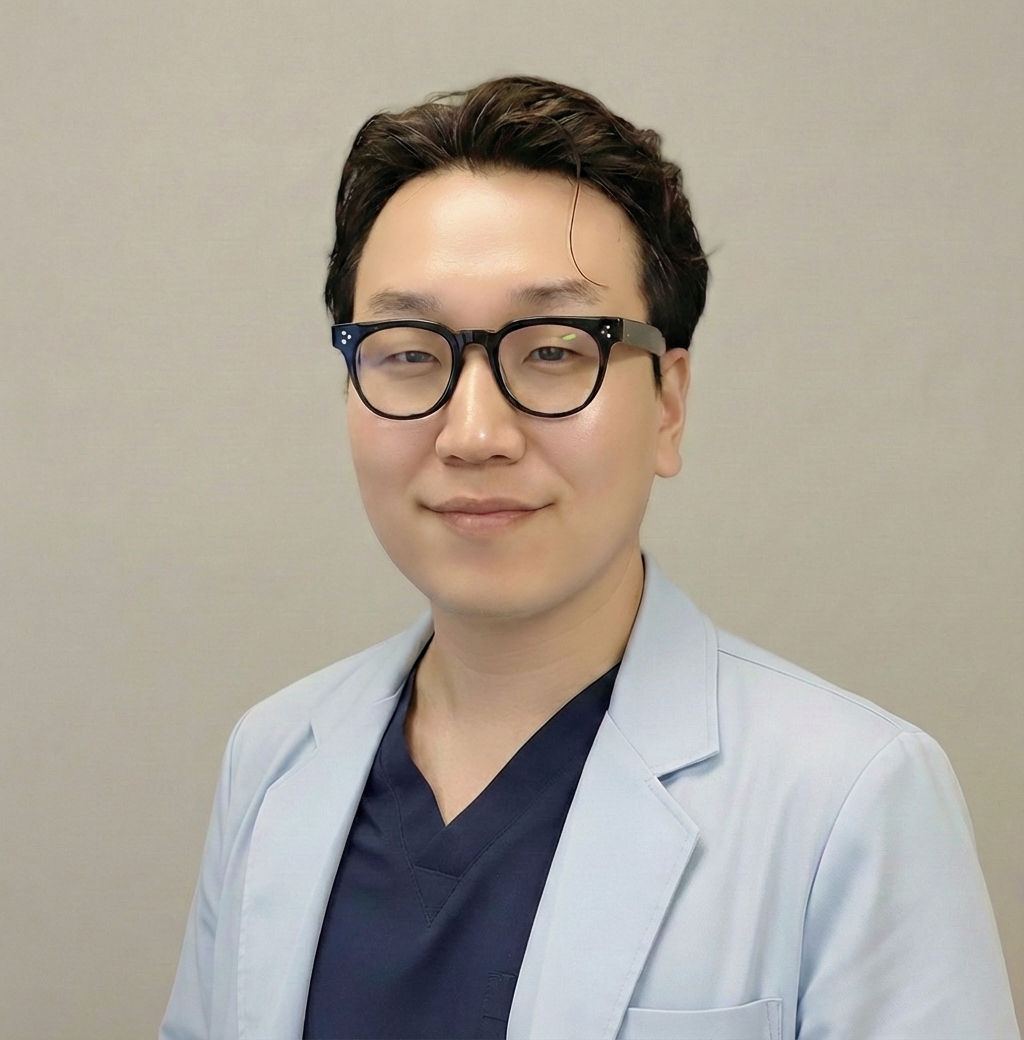
The director personally sees you from first to follow-up visits
We identify the essence through Sasang constitution, pulse and abdominal diagnosis
Treatment based on long clinical experience and evidence
Was this helpful? If you need accurate care for your condition, please contact us below.