
Q I am a woman in my 50s, and I am skeptical about whether traditional Korean medicine treatment is actually effective for fibromyalgia. Is there any evidence to support this?
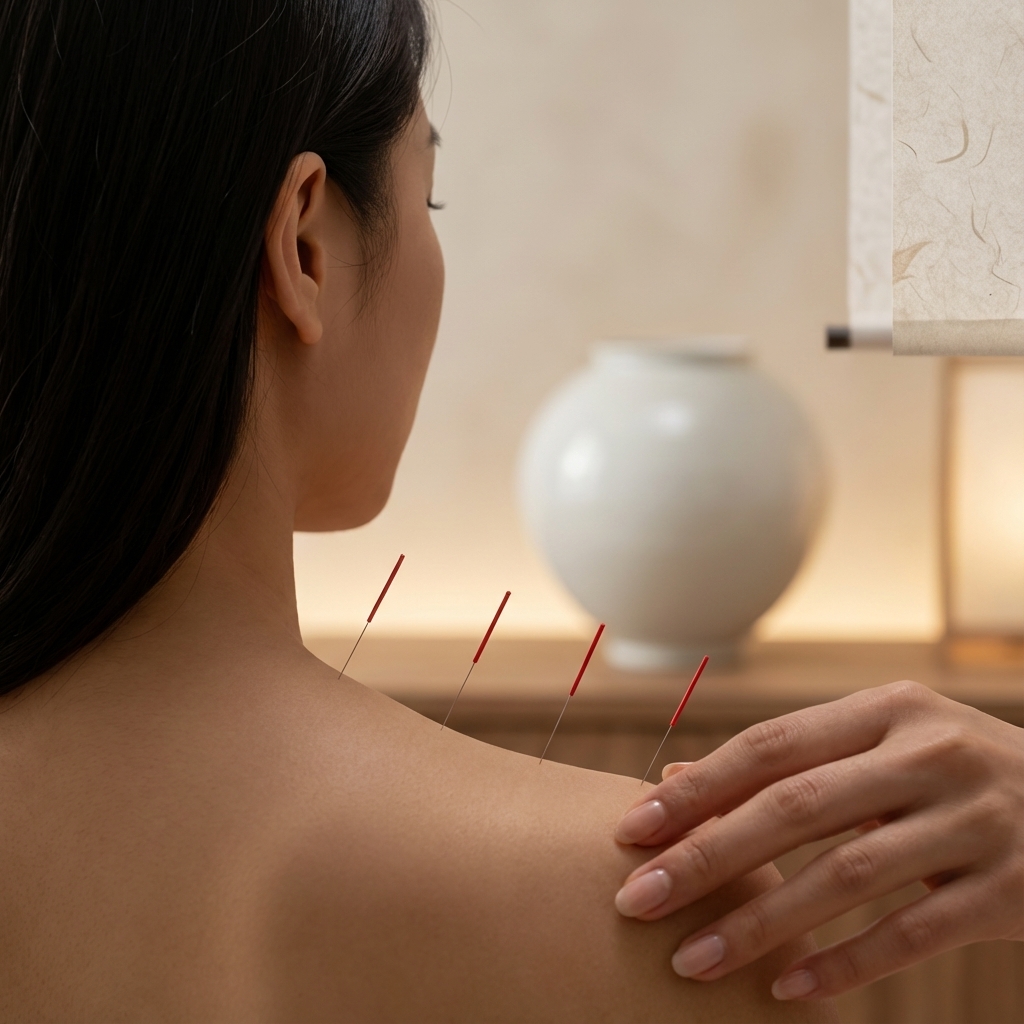
A There are multiple randomized controlled trials and meta-analyses showing that acupuncture is effective for pain relief and sleep improvement in fibromyalgia. In particular, significant results are reported regarding reductions in pain scores and improvements in quality of life. In many cases, better results are observed when combined with medication.
Detailed Answer
The effectiveness of acupuncture for fibromyalgia has been confirmed through various clinical studies. In multiple meta-analyses, including a 2019 Cochrane review, the acupuncture treatment group showed significant improvements in pain intensity (VAS scores) and fatigue compared to the sham acupuncture control group. Regarding the mechanism, it has been confirmed that acupuncture stimulation promotes the secretion of endogenous opioids (endorphins and enkephanrins) and affects pain-regulating neurotransmitters such as serotonin and norepinephrine. The American College of Rheumatology (ACR) guidelines also mention acupuncture as a complementary treatment for fibromyalgia. From the perspective of a Korean medicine clinic, acupuncture is a tool that directly resolves the stagnation of Qi in the meridians. The widespread tender points of fibromyalgia largely differ from the stimulation points surrounding the pain site in Korean medicine; applying acupuncture stimulation to these areas releases local fascial tension and restores meridian flow. At Dongjedang, we combine basic acupuncture with needle acupuncture to physically separate fascial adhesions, and add anti-inflammatory and immune-modulating effects using pharmacopuncture (such as bee venom acupuncture and Astragalus membranaceus). Systemically, we reinforce the foundation for Qi generation with herbal medicine tailored to the patient's constitution, ensuring that the treatment effect lasts longer. Rather than expecting dramatic changes in the short term, it is reasonable to evaluate changes after 3 to 4 weeks of treatment, with sessions held 2 to 3 times a week.
Related FAQs
-
Q
I am a woman in my 60s who has suffered from fibromyalgia for over 10 years. Would Korean traditional medicine be helpful in such a long-standing case?
#Possibility / Realistic Goals
-
Q
I am an office worker in my 40s currently on leave due to fibromyalgia. Can I return to work with Korean traditional medicine treatment?
#Possibility / Realistic Goals
-
Q
I am a woman in my 30s with fibromyalgia, depression, and irritable bowel syndrome. Can all of these be treated at once?
#Comorbidities
-
Q
I am a housewife in my 40s with fibromyalgia. Should I exercise? What kind of exercise is good?
#Lifestyle Management
-
Q
I am a woman in my 50s living in Dong-gu, Incheon. It is very difficult for me to sleep due to fibromyalgia. Are there any ways to improve my sleep?
#Lifestyle Management