
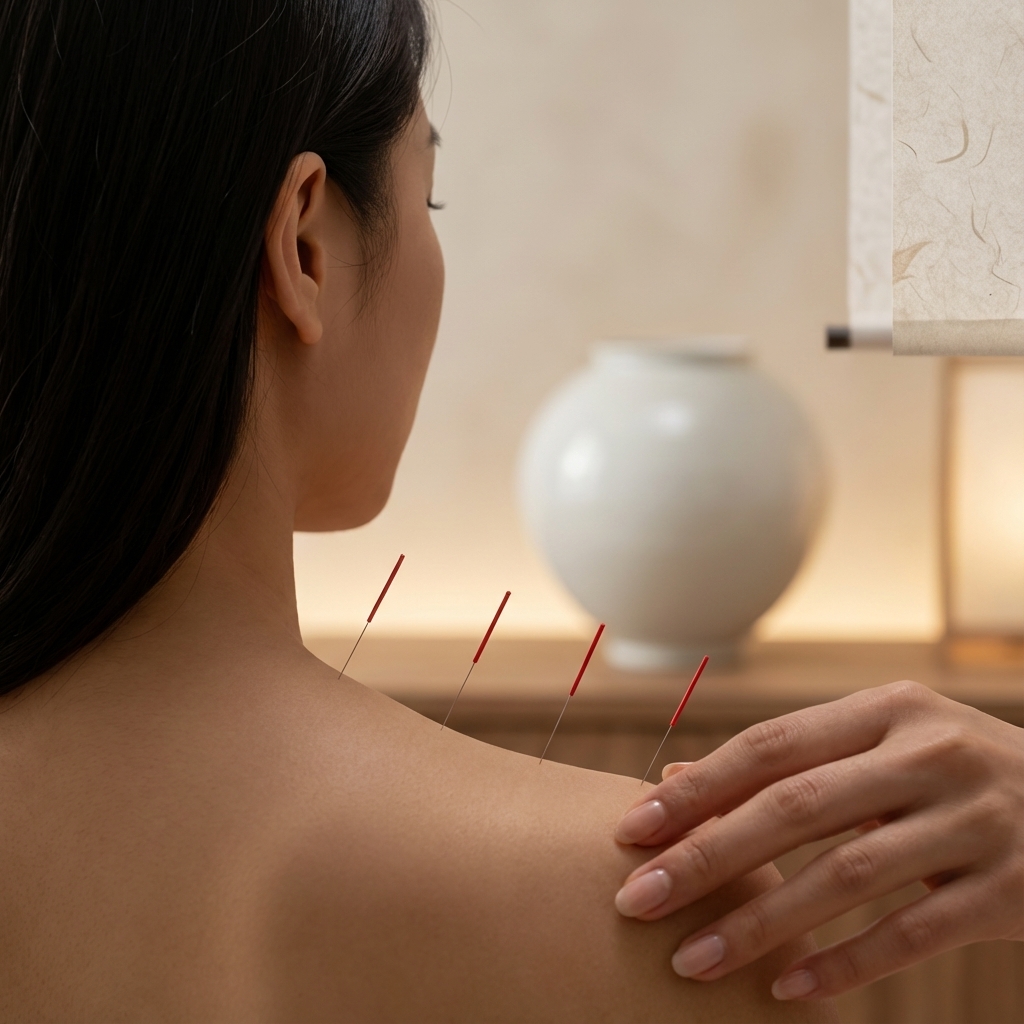

Q I am currently taking anti-inflammatory painkillers prescribed by an orthopedic doctor. Is it okay to receive treatment at a Korean medicine clinic at the same time?
A In most cases, you can receive external treatments such as acupuncture, moxibustion, and pharmacopuncture while taking anti-inflammatory painkillers. Since herbal medicine prescriptions require consideration of interactions with internal medications, it is important to inform the Korean medicine doctor of the list of medications you are currently taking. If you are taking anticoagulants, steroids, or immunosuppressants, a consultation is required beforehand.
Detailed Answer
Acupuncture, moxibustion, and pharmacopuncture treatments can generally be combined while taking NSAIDs (non-steroidal anti-inflammatory drugs), and the analgesic effects may actually be synergistic. When prescribing herbal medicine, interactions with medications you are currently taking—especially anticoagulants (warfarin), aspirin, steroids, and diabetes medications—must be reviewed. Since some herbal ingredients can affect CYP450 enzymes or platelet function, please be sure to submit a list of your medications during your consultation. Most osteoporosis medications and hypertension drugs can be taken in combination with herbal medicine, but individual consultation is required. Korean Medicine Clinic Perspective Combining Korean medicine treatments with Western medications is a modern integrative medical approach; when properly combined, it can achieve both pain management and functional recovery simultaneously. At Dongjedang, we review all medications currently being taken during the initial consultation and safely adjust the dosage and prescription of herbal medicine. While anti-inflammatory painkillers treat outward symptoms, herbal medicine addresses the root causes of pain, such as weakened kidney energy or stagnant blood. Because their roles differ, we also aim to reduce long-term dependence on painkillers. We recommend that you receive detailed guidance on the expected effects and precautions for combined treatment during your consultation.
Related FAQs
-
Q
I was advised by the hospital to have artificial joint surgery because my hip joint is severely worn down. Can I postpone the surgery through Korean traditional medicine treatment?
#Possibility / Realistic Goals
-
Q
I am in my 20s or 30s and am worried because my hip hurts. Is Korean traditional medicine effective for young people?
#Possibility / Realistic Goals
-
Q
I have both a herniated disc and hip pain. Can both be treated at the same time?
#Comorbidities
-
Q
Can I continue exercising when I have hip pain? What exercises are helpful?
#Lifestyle Management
-
Q
What precautions should be taken regarding sleeping, sitting posture, and daily habits to reduce hip pain?
#Lifestyle Management