
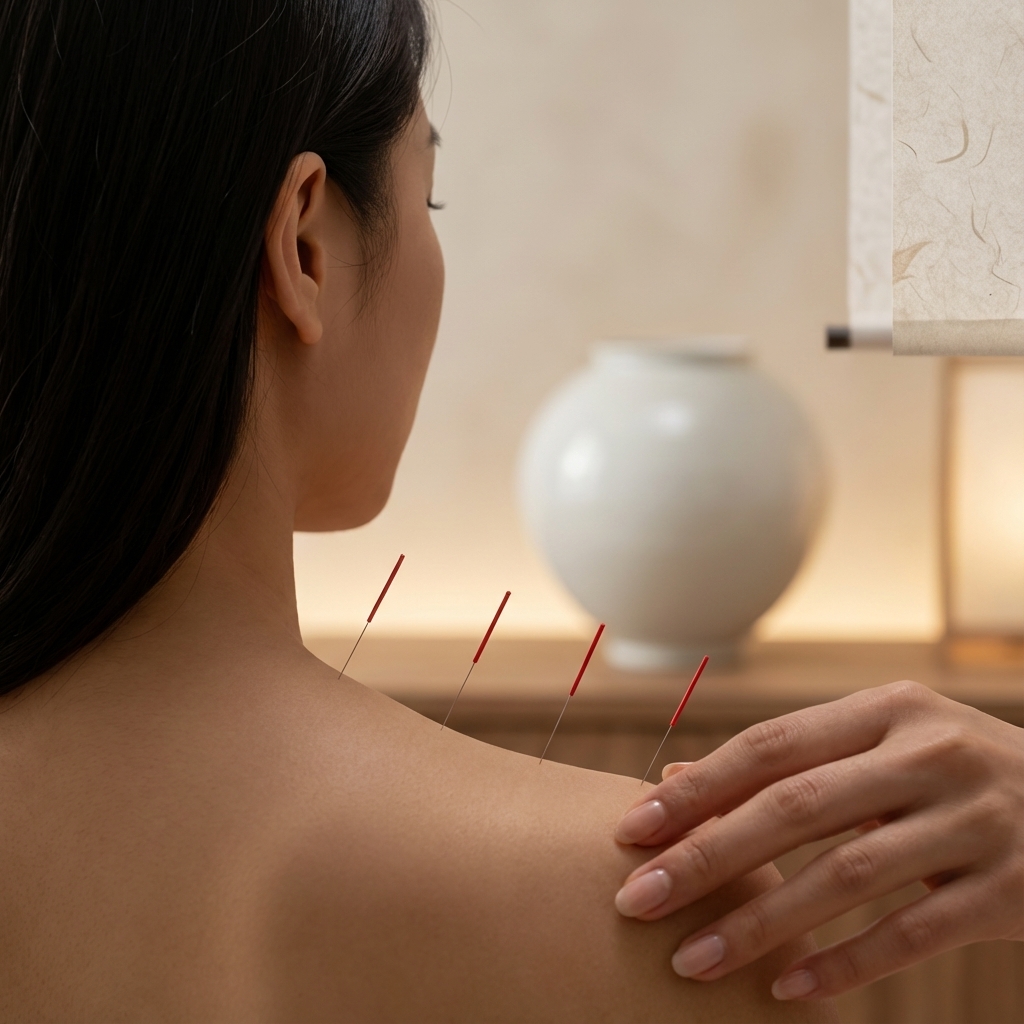
Hip Pain
Hip Pain
Hip pain with pain in the groin and buttocks, and difficulty spreading the legs
# Possibility / Realistic Goals (2)
Q I was advised by the hospital to have artificial joint surgery because my hip joint is severely worn down. Can I postpone the surgery through Korean traditional medicine treatment?
A. While it is difficult to postpone surgery indefinitely in cases of end-stage degenerative hip arthritis, Korean traditional medicine can help delay the timing of surgery or improve the patient's overall condition by controlling pain and maintaining function. However, if surgery is absolutely necessary, Korean traditional medicine realistically plays a supportive role before and after the operation.
View details →Q I am in my 20s or 30s and am worried because my hip hurts. Is Korean traditional medicine effective for young people?
A. Hip pain in young people is often caused by sports injuries, avascular necrosis of the femoral head, or developmental dysplasia; however, due to high tissue regenerative capacity, the prognosis is good with appropriate treatment. Korean traditional medicine is particularly effective for soft tissue injuries, tendinitis, and bursitis, and the treatment approach varies depending on the cause.
View details →# Comorbidities (1)
# Lifestyle Management (2)
Q Can I continue exercising when I have hip pain? What exercises are helpful?
A. Even with pain, low-impact aerobic exercises such as swimming, water walking, and cycling (low intensity) help maintain joint function. High-impact exercises like running, jumping, and stair climbing should be avoided during the inflammatory phase. Exercises that strengthen the gluteus medius and core muscles improve hip stability and reduce pain in the long term.
View details →Q What precautions should be taken regarding sleeping, sitting posture, and daily habits to reduce hip pain?
A. For sleeping, lying on your side with a cushion between your knees is beneficial for hip alignment. When sitting, it is important to use a chair where the hip is higher than or at the same height as the knees, and to avoid maintaining the same posture for extended periods. Pain can be significantly reduced by avoiding squatting, sitting cross-legged, and crossing your legs during daily activities.
View details →# Safety (1)
# Drug Combination / Interactions (1)
# Prognosis / Recovery (2)
Q Can hip pain be cured with Korean medicine treatment without surgery? How long does it take?
A. Soft tissue issues such as bursitis, tendinitis, and myofascial pain can be fully recovered through non-surgical Korean medicine treatment. Pain reduction and functional improvement can also be expected in the early to mid-stages of degenerative arthritis. The duration of treatment varies depending on the cause and severity; soft tissue issues often require 4 to 8 weeks, while chronic degenerative changes frequently require consistent treatment for 3 to 6 months or more.
View details →Q Is it possible for hip pain to recur even after improvement following Oriental medicine treatment? How can it be prevented?
A. Even after treatment, recurrence is possible if the underlying causes—lifestyle habits, posture, and muscle imbalances—are not corrected. Maintaining core strength exercises and regular stretching after the completion of treatment is key to preventing recurrence. From an Oriental medical perspective, it is also important to manage kidney and liver functions to ensure they are continuously maintained.
View details →# Causes Explained (2)
Q I am a housewife in my 60s. Having lived in Dongincheon for a long time and in a house with many stairs, my hip joint has gradually started to hurt. Why does hip pain occur?
A. Hip pain is caused by various factors, including degenerative changes, bursitis, hip impingement syndrome, and necrosis of the femoral head. As one ages, pain begins when cartilage wears down or surrounding ligaments and muscles weaken. A lifestyle involving frequent use of stairs can increase joint pressure and worsen symptoms. A professional diagnosis is necessary to identify the exact cause.
View details →Q I am an office worker in my 30s who runs every weekend, but I keep experiencing pain in the front of my hip and in my groin area. Is this caused by exercise?
A. In young adults, pain in the front of the hip and groin following repetitive impact exercises such as running, cycling, or soccer is often caused by iliopsoas tendinitis, hip impingement syndrome, or labral tears. Lack of flexibility or muscle strength imbalances in the muscles surrounding the pelvis and hip joint also contribute. Early evaluation is important because neglecting these conditions can lead to cartilage damage.
View details →# Food / Triggers (2)
Q Are there any foods that are good for hip pain or foods to avoid? Can diet help?
A. An anti-inflammatory diet provides substantial help in managing hip pain. It is recommended to increase the intake of antioxidant foods, such as oily fish, vegetables, and berries, while reducing processed meats, fried foods, and sugar. Since being overweight significantly increases the load on the hip joint, dietary management for weight control is also important.
View details →Q What postures or movements worsen hip pain? I am curious about what precautions I should take in daily life.
A. Squatting, sitting cross-legged, maintaining a single position for a long time, climbing stairs, and internal rotation of the hip are typical aggravating factors. Sitting on hard floors or using low sofas can also cause pain by creating extreme hip angles. Pain can be significantly reduced simply by correcting your daily posture.
View details →# Treatment Schedule (1)
# Treatment Stages (2)
Q In what order is treatment performed when a patient visits a Korean medicine clinic for the first time due to hip pain?
A. After identifying the exact cause through medical history taking, physical examination, and imaging interpretation during the initial consultation, treatment proceeds in the order of acute inflammation relief → functional recovery → prevention of recurrence. At each stage, a combination of treatment methods such as acupuncture, pharmacopuncture, moxibustion, and herbal medicine is applied.
View details →Q Are moxibustion or cupping therapy effective for hip pain? When are they used?
A. Moxibustion applies thermal stimulation to acupoints around the hip joint to expel cold pathogens and promote the circulation of qi and blood. Cupping draws stagnant blood and blocked qi to the surface, clearing the meridians. Both treatments are highly effective when combined with acupuncture and are particularly suitable for cases involving cold sensations or chronic pain.
View details →# Effectiveness (2)
Q Does receiving acupuncture treatment at a Korean medicine clinic actually reduce hip pain? Is there any evidence that it is effective?
A. Acupuncture helps reduce pain by relieving muscle tension around the hip joint, improving blood flow, and utilizing neuroanalytic mechanisms. Several clinical studies have reported effects of pain reduction and functional improvement in patients with hip osteoarthritis. However, since there are limitations in cases of severe structural damage, it is important to establish an appropriate treatment plan following an accurate diagnosis.
View details →Q Does taking herbal medicine improve hip pain? Does it actually affect bones or cartilage?
A. Herbal medicine can help with hip pain through various mechanisms, such as suppressing inflammation, improving blood flow, and protecting cartilage. Studies have reported that herbal ingredients containing anti-inflammatory and antioxidant components improve the joint environment and reduce pain mediators. However, since prescriptions vary depending on the patient's constitution and differential diagnosis, a personalized prescription following a diagnosis is crucial.
View details →Hip Pain is not just a simple symptom
Korean medicine that considers both your constitution and lifestyle rhythm treats the root cause.
From consultation to precise treatment, we provide personalized care.
Prescriptions tailored to your constitution and symptoms treat the root cause
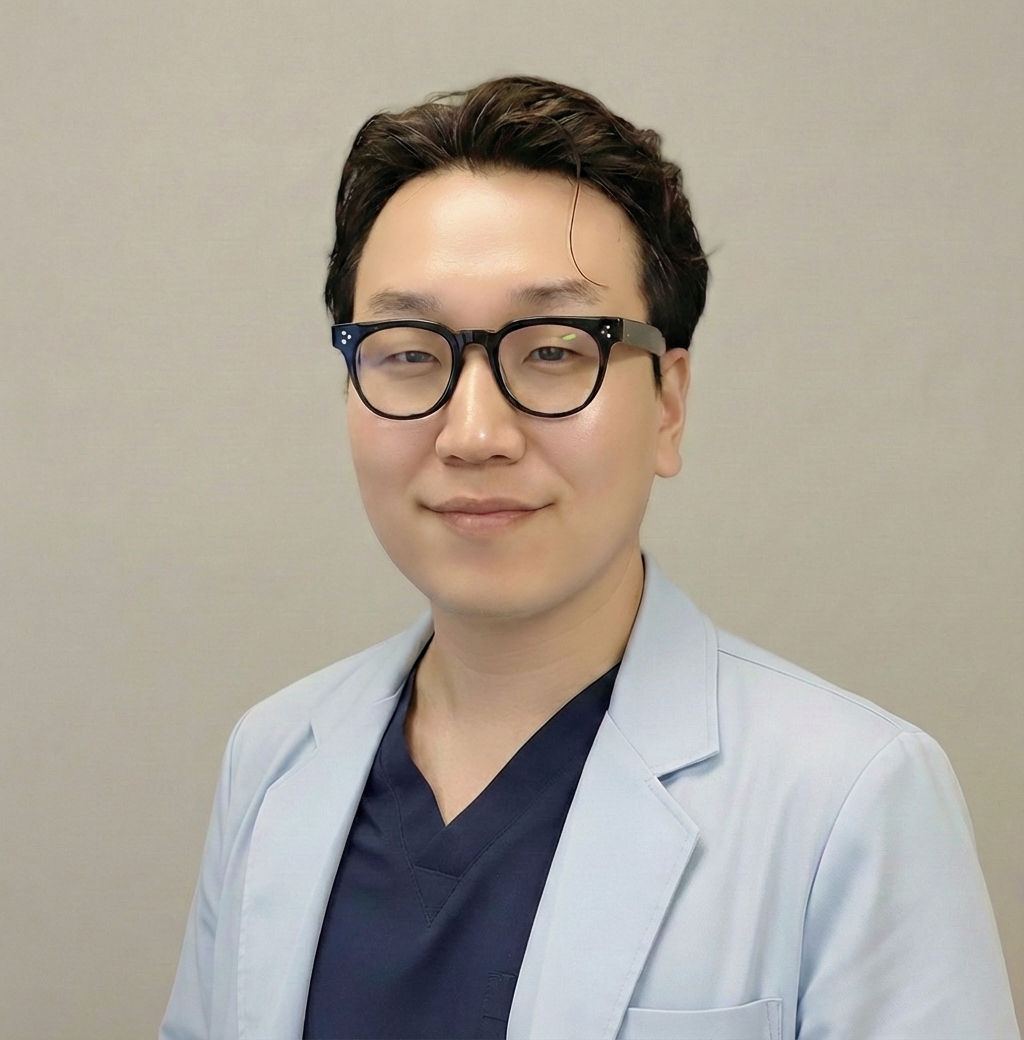
The director personally sees you from first to follow-up visits
We identify the essence through Sasang constitution, pulse and abdominal diagnosis
Treatment based on long clinical experience and evidence
Was this helpful? If you need accurate care for your condition, please contact us below.