
Q Can hip pain be cured with Korean medicine treatment without surgery? How long does it take?
A Soft tissue issues such as bursitis, tendinitis, and myofascial pain can be fully recovered through non-surgical Korean medicine treatment. Pain reduction and functional improvement can also be expected in the early to mid-stages of degenerative arthritis. The duration of treatment varies depending on the cause and severity; soft tissue issues often require 4 to 8 weeks, while chronic degenerative changes frequently require consistent treatment for 3 to 6 months or more.
Detailed Answer
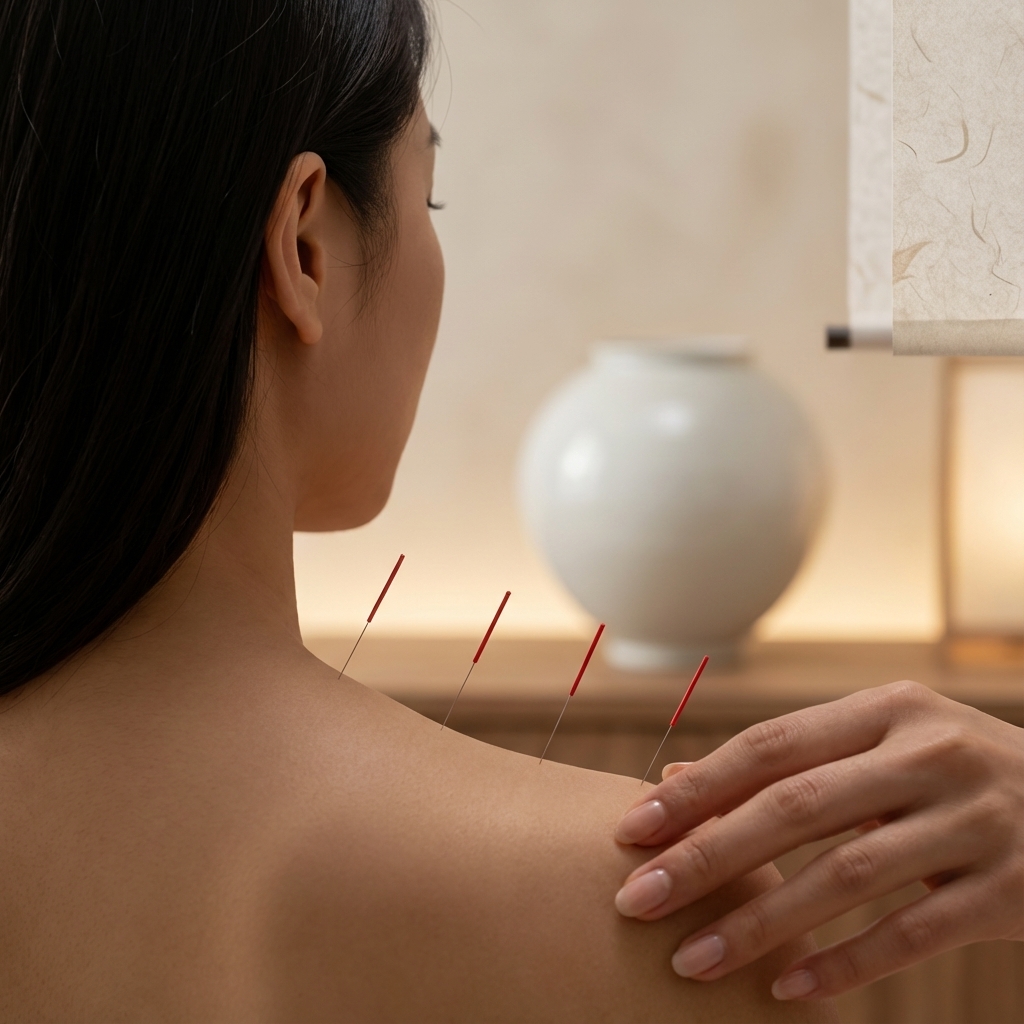
Bursitis and tendinitis often show significant improvement within 4 to 8 weeks with ultrasound-guided pharmacopuncture and acupuncture. Early-stage hip impingement syndrome and mild cleft lip can avoid surgery through conservative treatment, but moderate to severe cleft lip are treated by combining Korean medicine with post-surgical rehabilitation. For stages 1 and 2 of degenerative hip arthritis, the goal is pain management and function preservation, while for stages 3 and 4 (terminal), the role shifts to supporting rehabilitation after artificial joint replacement. Early diagnosis is crucial for avascular necrosis of the femoral head, as surgical intervention may be necessary depending on the stage. From a Korean medicine clinic perspective, the key to a prognosis lies in the state of the body's regenerative capacity. If the foundation of kidney energy, digestion, and vitality is weakened simultaneously, tissue regeneration is slow and the treatment period is prolonged. Conversely, if stagnant blood or accumulated waste products are the primary causes, improvement occurs relatively quickly once these are removed. Dongjedang employs a two-track strategy: classifying the patient's condition to rapidly treat localized lesions using moxibustion and pharmacopuncture, while establishing a foundation for regeneration with herbal medicine. With consistent treatment and lifestyle management, patients can often return to their daily lives without surgery, and the treatment plan is adjusted based on re-evaluations every 2 to 4 weeks.
Related FAQs
-
Q
I was advised by the hospital to have artificial joint surgery because my hip joint is severely worn down. Can I postpone the surgery through Korean traditional medicine treatment?
#Possibility / Realistic Goals
-
Q
I am in my 20s or 30s and am worried because my hip hurts. Is Korean traditional medicine effective for young people?
#Possibility / Realistic Goals
-
Q
I have both a herniated disc and hip pain. Can both be treated at the same time?
#Comorbidities
-
Q
Can I continue exercising when I have hip pain? What exercises are helpful?
#Lifestyle Management
-
Q
What precautions should be taken regarding sleeping, sitting posture, and daily habits to reduce hip pain?
#Lifestyle Management