
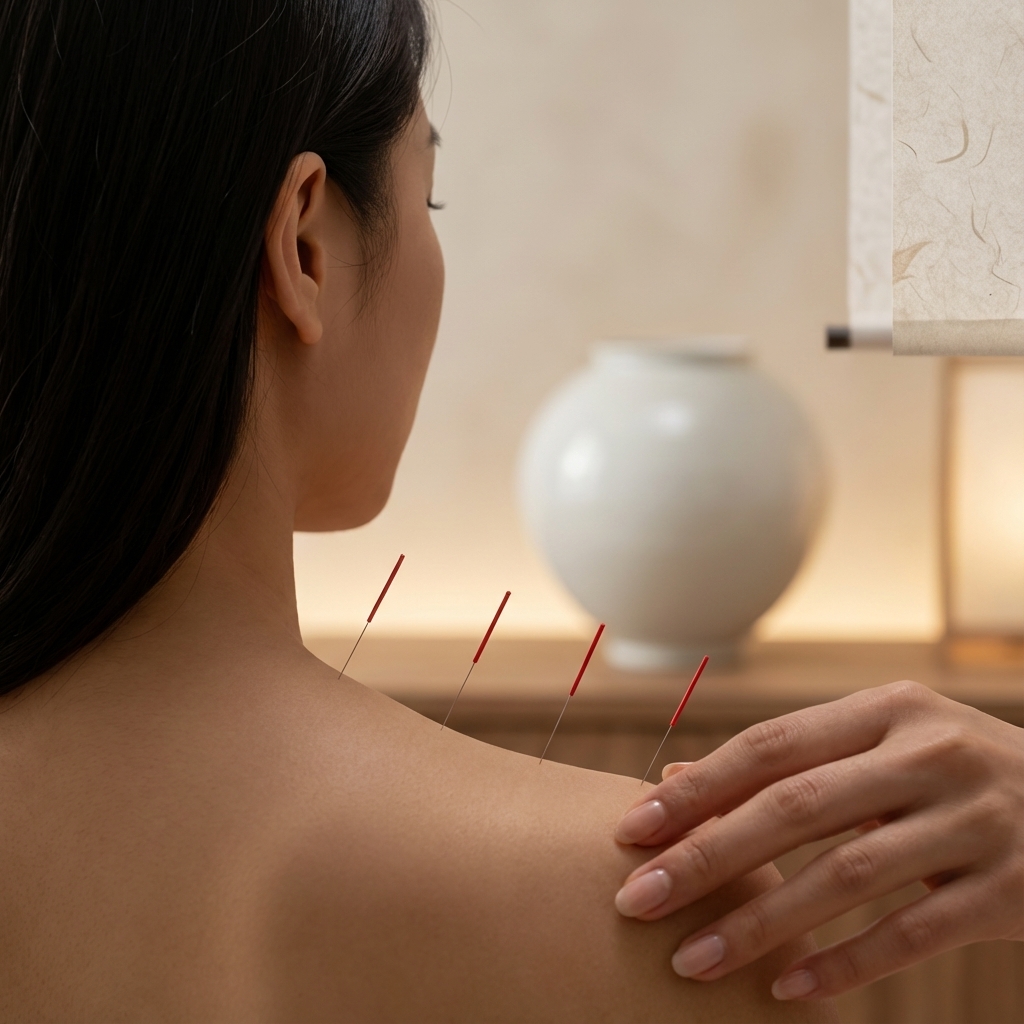

Q Is Dochim treatment safe for the hip joint? Is there a risk of damaging nerves or blood vessels?
A Dochim treatment is safe when performed by a skilled Korean medicine practitioner who accurately identifies the anatomical location. Since the sciatic nerve, femoral nerve, and femoral blood vessels run through the hip joint area, using ultrasound guidance significantly enhances safety. Temporary numbness or bruising may occur within 1 to 2 days after the procedure, but these usually disappear naturally.
Detailed Answer
Dochim is a procedure that uses a small needle with a diameter of 0.4 to 1 mm to separate adhered fascia, ligaments, and joint capsules. Accurate anatomical knowledge and ultrasound guidance are essential because the femoral nerve and femoral artery are nearby during anterior access, and the sciatic nerve is nearby during posterior access. Taking anticoagulants, thrombocytopenia, local infections, and conditions following artificial hip joint replacement are contraindications or subjects requiring caution. An increase in pain for 1 to 2 days after the procedure is a normal healing reaction, followed by noticeable improvement. You must visit the clinic immediately if you experience fever, persistent swelling, or loss of sensation.
Korean Medicine Clinic Perspective
Dochim is a treatment that combines modern anatomy with the meridian theory of Korean medicine. It does not stop at simply severing adhesions; its principle is to physically unblock meridian points to restore the flow of Qi and blood. At Dongjedang, before performing Dochim, we always confirm the locations of major nerves and blood vessels using ultrasound and select safe access routes based on the anatomical structure of the hip joint, such as the area around Hwando (GB30), the greater trochanteric bursa, or the iliopsoas muscle attachment site. After the procedure, we promote Qi and blood circulation with warm compresses and advise patients to refrain from strenuous exercise for 48 hours. Since the procedure is performed only after sufficient prior explanation and consent, please feel free to ask any questions during your consultation.
Related FAQs
-
Q
I was advised by the hospital to have artificial joint surgery because my hip joint is severely worn down. Can I postpone the surgery through Korean traditional medicine treatment?
#Possibility / Realistic Goals
-
Q
I am in my 20s or 30s and am worried because my hip hurts. Is Korean traditional medicine effective for young people?
#Possibility / Realistic Goals
-
Q
I have both a herniated disc and hip pain. Can both be treated at the same time?
#Comorbidities
-
Q
Can I continue exercising when I have hip pain? What exercises are helpful?
#Lifestyle Management
-
Q
What precautions should be taken regarding sleeping, sitting posture, and daily habits to reduce hip pain?
#Lifestyle Management