
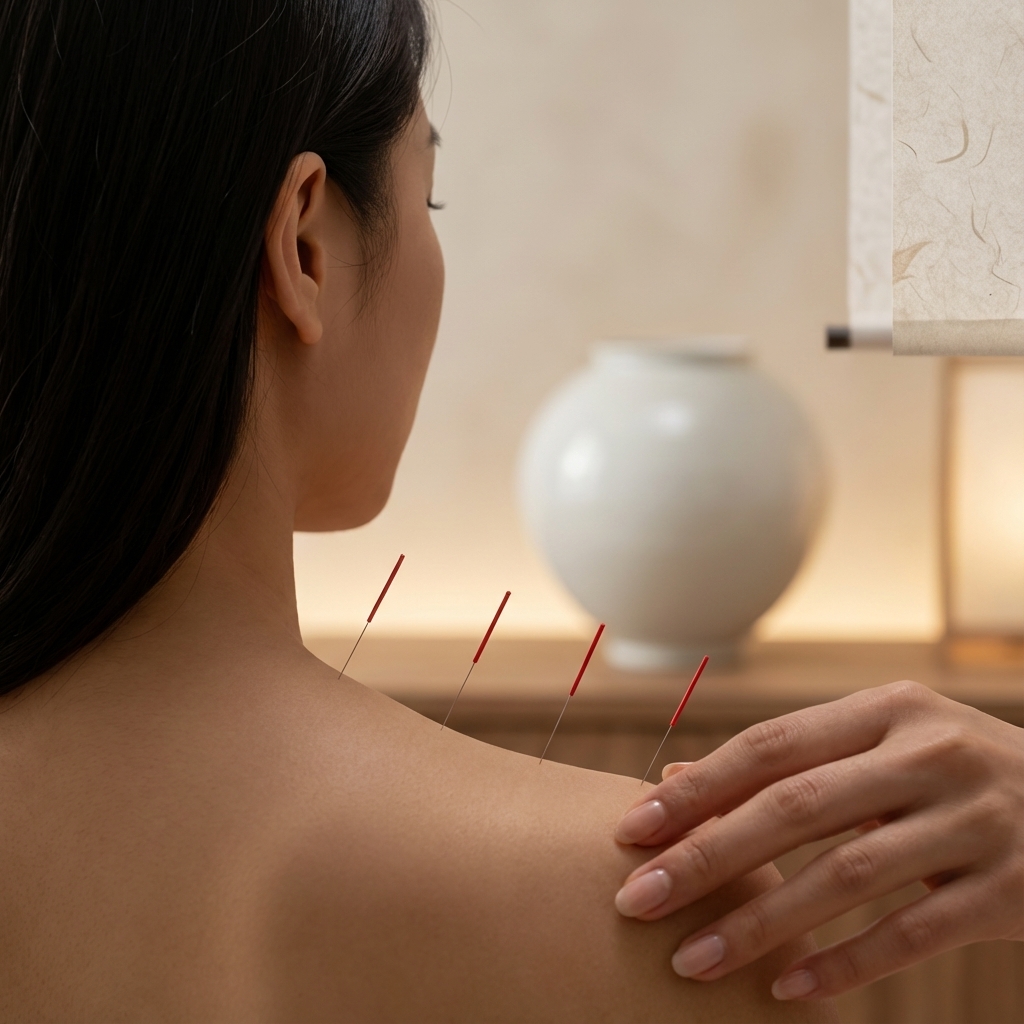
Myofascial Pain Syndrome
Myofascial Pain Syndrome
Myofascial pain syndrome characterized by constant tightness in the trapezius muscles and back of the neck, and pain when pressed.
# Possibility / Realistic Goals (2)
Q I am an IT developer who sits in front of a computer for over 10 hours a day. Is it possible to manage myofascial pain syndrome solely through treatment at a Korean medicine clinic without changing my profession?
A. It is fully possible to manage the condition without changing your job by combining treatment with self-care. By regularly relieving trigger points, improving your ergonomic environment, and making short stretching routines a part of your daily life, you can maintain a state where you can work without pain. If occupational stress persists, it is realistic to adjust treatment intervals and combine preventive care.
View details →Q I am in my late 60s, and my fascia is knotted all over my body. I am worried that treatment might be ineffective as I get older.
A. Treatment for myofascial pain syndrome is still meaningful, even for older patients. While the rate of tissue regeneration may be slow, the therapeutic response itself is maintained. By stimulating tissue regeneration with needle acupuncture and thread embedding, and reinforcing Qi and blood with herbal medicine, pain reduction and functional recovery are possible.
View details →# Comorbidities (1)
# Lifestyle Management (2)
Q I am currently receiving treatment for myofascial pain syndrome. How can I perform stretching or posture correction at home to prevent recurrence?
A. During treatment, it is important to consistently perform static stretching every day to gently lengthen stiff fascia. Be sure to change your posture every 30 minutes if you have been in the same position for a long time. Adjusting monitor height and maintaining a proper sitting posture significantly reduce the recurrence of neck and shoulder trigger points.
View details →Q I am unable to sleep properly due to severe pain from myofascial pain syndrome. Is there a relationship between sleep and pain? How should I manage this?
A. Sleep deprivation lowers the pain threshold, creating a vicious cycle that exacerbates myofascial pain syndrome. It is a structure where pain interferes with sleep, and the inability to sleep leads to more severe pain. Combining pain treatment with improvements to the sleep environment can effectively break this vicious cycle.
View details →# Safety (1)
# Drug Combination / Interactions (1)
# Prognosis / Recovery (2)
Q I recently developed myofascial pain syndrome. If I receive treatment early, can I fully recover?
A. If you receive appropriate treatment in the early stages of the disease, complete recovery is possible in most cases. Restoring Qi and blood circulation before trigger points harden shortens the treatment period. Patients often experience significant improvement within 2 to 6 weeks, and recurrence can be prevented by combining treatment with lifestyle modifications.
View details →Q For several years, my neck and shoulders have been stiff and painful, so I was told I have Chronic Myofascial Pain Syndrome. Is it impossible to get better now?
A. There is no need to give up on Chronic Myofascial Pain Syndrome. Although the treatment period may be longer than during the acute phase, hardened trigger points and fibrotic fascia can be significantly improved through a combined approach using moxibustion, pharmacopuncture, and herbal medicine. You can approach this step-by-step with the goal of reducing pain intensity and restoring daily functions.
View details →# Causes Explained (2)
Q I am an office worker in my 40s. I have developed hard knots in my shoulders and neck, and when I press on them, the pain spreads far away. Why does myofascial pain syndrome occur?
A. Myofascial pain syndrome occurs when overactive tender points (trigger points) develop in the fascia that surrounds the muscles. The main causes include maintaining the same posture for a long time, repetitive movements, overload, and stress. It is characterized by referred pain that spreads far when pressed. Full recovery is possible with appropriate treatment received early on.
View details →Q I am a man in my 30s working at a logistics center near Dongincheon. Because I lift heavy loads every day, I suffer from persistent tightness and pain in my back and lower back. Does occupational overload cause myofascial pain syndrome?
A. Repetitive handling of heavy objects or unilateral overloading are representative occupational causes that promote micro-damage to the fascia and the formation of trigger points. If damaged fascia accumulates without sufficient recovery, it leads to chronic pain. Proper work posture and sufficient stretching are important, and improvement is possible when combined with professional treatment.
View details →# Food / Triggers (2)
Q Are there specific foods that are bad for myofascial pain syndrome? I am curious if what you eat also affects the pain.
A. Processed foods, fried foods, and excessive caffeine and alcohol increase inflammation in the body and hinder fascia recovery. On the other hand, sufficient hydration and foods rich in magnesium and vitamin D help with muscle relaxation. From a traditional Korean medicine perspective, it is important to reduce cold and greasy foods that generate dampness.
View details →Q I heard that stress worsens myofascial pain syndrome. Is that true? Do I need to manage mental factors as well?
A. Stress overactivates the sympathetic nervous system, keeping muscles in a constant state of tension and promoting the formation of trigger points. Chronic stress also increases pain sensitivity, causing a strong reaction to even minor stimuli. You can expect a much faster recovery if you combine stress management with pain treatment.
View details →# Treatment Schedule (1)
# Treatment Stages (2)
Q What kind of treatment do you receive in the first stage when you first receive treatment for myofascial pain syndrome at a Korean medicine clinic?
A. During the initial consultation, trigger points and the state of the meridians are identified through a detailed medical history taking regarding the location of pain, occupational environment, and duration of onset. The first treatment typically begins with acupuncture to release tension in active trigger points and open up the circulation of Qi and blood. Depending on the condition, moxibustion, pharmacopuncture, and cupping may be applied together from the beginning.
View details →Q I have improved significantly after receiving treatment for myofascial pain syndrome for a month. What stage should I move on to now?
A. If your pain has decreased by more than 50%, it is time to transition to the maintenance and recurrence prevention stage. You reduce the frequency of treatment, combine thread lifting (Maeseon) or bee venom acupuncture (Yeongchim) and herbal injections to enhance regeneration, and begin intensive self-management exercises. If you faithfully complete this stage, a full return to daily life is possible.
View details →# Effectiveness (2)
Q Does acupuncture treatment at a Korean medicine clinic actually work for trigger points in myofascial pain syndrome? I doubt it provides only temporary relief.
A. Acupuncture directly stimulates trigger points to block muscle overactivation and increase blood flow. Research has confirmed that it provides pain control at the neuromuscular level, rather than merely temporary relaxation. When combined with moxibustion and pharmacopuncture, the added benefits of resolving adhesions and anti-inflammatory effects allow for sustained improvement.
View details →Q Does herbal medicine really help with myofascial pain syndrome? I don't understand why herbal medicine is necessary for muscle pain.
A. Since the chronicity of myofascial pain syndrome is rooted in the accumulation of blood stasis and dampness, as well as a deficiency of Qi and blood, it is difficult to prevent recurrence with external treatment alone. Herbal medicine helps the fascia maintain a healthy state on its own by eliminating dampness and blood stasis from within the body and restoring liver and spleen functions. Combining external and internal treatments is effective in preventing recurrence.
View details →Myofascial Pain Syndrome is not just a simple symptom
Korean medicine that considers both your constitution and lifestyle rhythm treats the root cause.
From consultation to precise treatment, we provide personalized care.
Prescriptions tailored to your constitution and symptoms treat the root cause
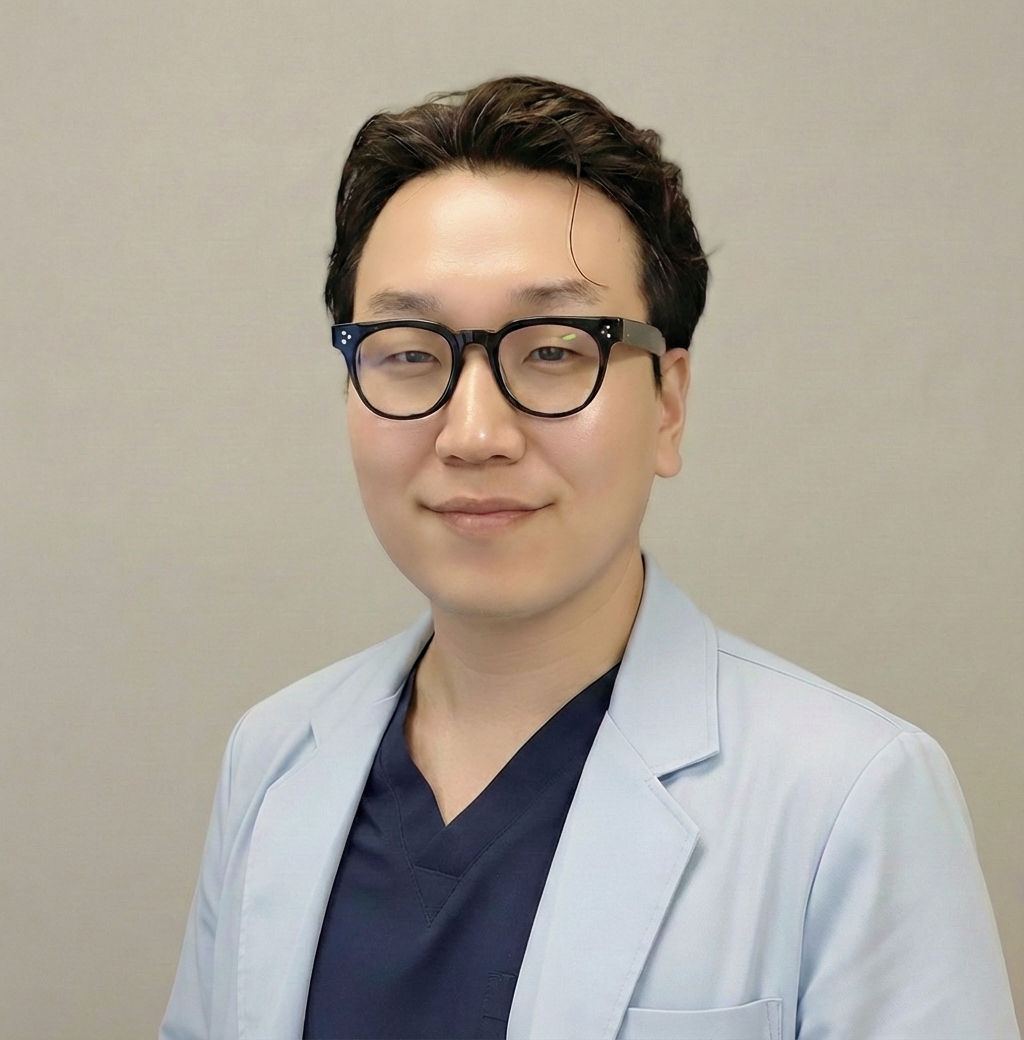
The director personally sees you from first to follow-up visits
We identify the essence through Sasang constitution, pulse and abdominal diagnosis
Treatment based on long clinical experience and evidence
Was this helpful? If you need accurate care for your condition, please contact us below.