
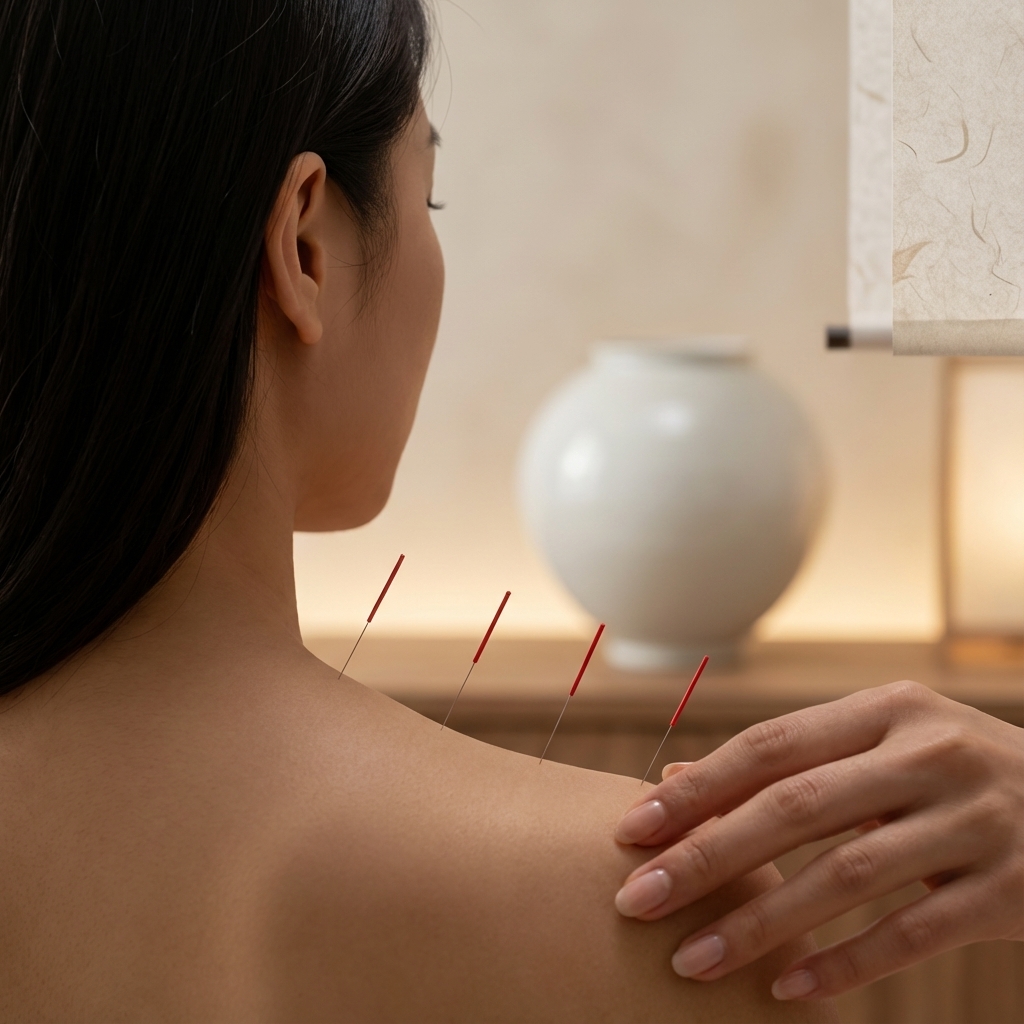

Q The neurology department recommended surgery, but I am very scared. Can this be resolved with Korean medicine treatment without surgery?
A Most cases of laryngeal neuralgia improve sufficiently with conservative treatment without surgery. Nerve decompression is considered only in refractory cases that do not respond to conservative treatments such as medication, injections, or Korean medicine. It is a reasonable approach to first fully try conservative Korean medicine treatments, such as moxibustion, acupuncture, and pharmacopuncture. The general approach is to re-evaluate the possibility of surgery only if there is no effect after 3 to 6 months of active treatment.
Detailed Answer
Surgery for laryngeal neuralgia (nerve decompression, ganglion block, or radiofrequency thermocoagulation) is applied to refractory cases that have not responded to conservative treatment for more than 6 months. The success rate of surgery is 60–80%, but there is a possibility of recurrence and a risk of complications, such as sensory abnormalities at the surgical site. Therefore, the standard approach is to decide on surgery only after thoroughly attempting ① drug therapy (anticonvulsants and antidepressants), ② nerve blocks, and ③ conservative Korean medicine treatments such as moxibustion, acupuncture, and pharmacopuncture. There are cases where surgery was avoided through intensive Korean medicine treatment, even in cases of laryngeal neuralgia severe enough to warrant a recommendation. Precisely separating adhesions around the nerve with moxibustion can produce effects similar to surgical decompression, and simultaneously promoting the recovery of qi and blood throughout the body enhances the nerve's own regenerative capacity. At Dongjedang, we recommend attempting three months of intensive Korean medicine treatment prior to surgery and guide patients to make the best decision based on their progress. Since surgery is a card you can always choose later, we recommend that you fully try non-surgical options first.
Related FAQs
-
Q
The MRI showed no abnormalities, but the back of my head hurts so much. Is this occipital neuralgia? Is treatment worthwhile?
#Possibility / Realistic Goals
-
Q
I have both occipital neuralgia and migraines. Can both be treated together?
#Comorbidities
-
Q
I have occipital neuralgia, and it hurts more after I sleep. Is it related to my pillow or sleeping position?
#Lifestyle Management
-
Q
Is it okay to do stretching or exercise during treatment for occipital neuralgia? What kind of exercises are helpful?
#Lifestyle Management
-
Q
I developed laryngeal neuralgia while pregnant. Is it safe to receive acupuncture or herbal medicine?
#Safety