

Q What postures or behaviors worsen symptoms after developing Piriformis Syndrome? I am curious about what precautions I should take in daily life.
A Typical postures that aggravate Piriformis Syndrome include sitting with legs crossed, sitting on hard surfaces for extended periods, and squatting. Climbing stairs, walking on inclines, and sudden changes in direction also place a heavy load on the piriformis muscle. Avoiding these postures and movements as much as possible during treatment accelerates recovery.
Detailed Answer
The postures and movements that immediately worsen the symptoms of Piriformis Syndrome are as follows: ① Sitting with legs crossed: Forced internal rotation of the hip joint causes maximum elongation of the piriformis muscle → Increased compression of the sciatic nerve ② Sitting on hard chairs or floors for long periods: Continuous compression of the piriformis muscle ③ Squatting: Complex load of hip flexion and internal rotation ④ Climbing stairs or inclines: Concentrated use of external rotation muscle strength ⑤ Sudden twisting or changes in direction: Induces rapid contraction of the piriformis muscle. On the other hand, walking horizontally, swimming (freestyle), and lying-down stretching help alleviate symptoms.
Perspective of a Korean Medicine Clinic
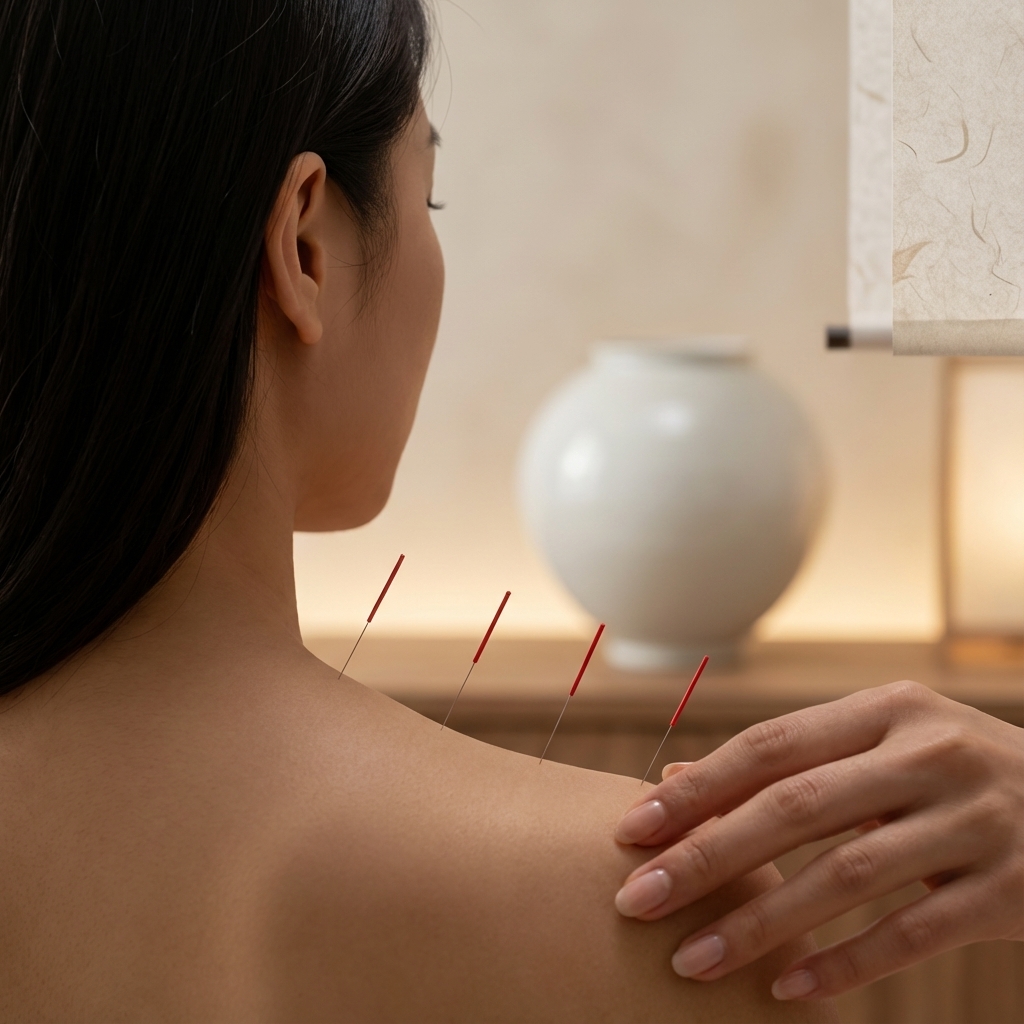
In Korean medicine, crossing legs and squatting block the flow of meridians running through the buttocks and the back and sides of the thighs, causing further stagnation of Qi and blood. If the meridians remain compressed repeatedly, blood stasis becomes entrenched and the muscles and tendons harden even more. During Dongjedang treatment, instructing patients to avoid these postures is key to maintaining the treatment's effectiveness. Even if the meridians are opened with acupuncture or moxibustion, Qi and blood become blocked again between treatments if aggravating postures are repeated; therefore, correction of daily posture is included as part of the treatment.
Related FAQs
-
Q
I was recommended surgery by an orthopedic surgeon. Is it possible to avoid surgery with treatment at a Korean medicine clinic alone?
#Possibility / Realistic Goals
-
Q
I’ve heard that Piriformis Syndrome tends to recur even after recovery. Can treatment at a Korean medicine clinic prevent recurrence?
#Possibility / Realistic Goals
-
Q
I have been told that I have both Piriformis Syndrome and a herniated disc (lumbar disc herniation). Can both be treated together?
#Comorbidities
-
Q
Are there any stretches or exercises that are good for piriformis syndrome? I am curious about methods that are safe to perform alone at home.
#Lifestyle Management
-
Q
I have to continue working even while undergoing treatment for piriformis syndrome. What precautions should I take in my work life?
#Lifestyle Management