
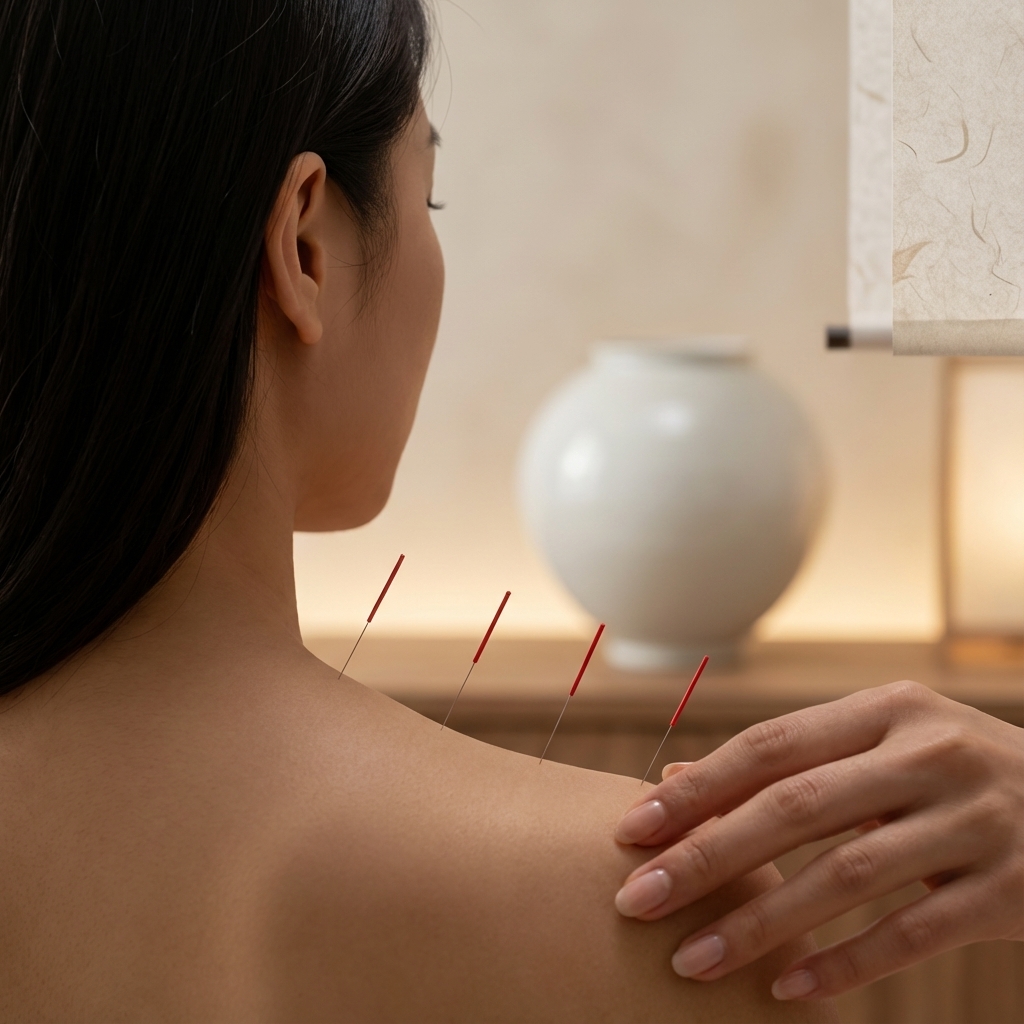
Q I am a 69-year-old woman. I have osteoporosis and diabetes. Are treatments like *Dochim* (straight-tip acupuncture) or *Hwachim* (fire acupuncture) safe for my age? I am worried that my tendons might be further damaged.
A *Dochim* and *Hwachim* are treatments that can be safely applied even in the elderly if performed while confirming the location and depth of the lesion using ultrasound. Since osteoporosis is a bone issue, it does not directly conflict with soft tissue procedures, and for diabetes, the intensity of the procedure is adjusted after checking infection control and blood sugar levels. It is most important to accurately inform us of your underlying conditions during the initial consultation.
Detailed Answer
*Dochim* is a procedure that uses a needle with a flat tip to separate adhered soft tissues, while *Hwachim* is a procedure that uses a heated needle to stimulate local regeneration. The key to both procedures is performing them at a precise depth while avoiding the course of blood vessels and nerves. Utilizing ultrasound guidance allows for real-time monitoring of the lesion and surrounding structures, significantly increasing safety. For diabetic patients, thorough disinfection of the procedure site and monitoring of blood sugar levels are performed to account for the risk of infection and delayed wound healing. For those taking anticoagulants, the intensity of the procedure is adjusted after evaluating bleeding tendencies. In Korean medicine, rotator cuff disease in elderly patients is generally diagnosed as a condition where Qi and blood circulation is blocked on a foundation of weakened bodily resistance. Since the tendons dry out due to a decrease in liver blood and kidney essence, and blood stasis accumulates on top of this, a gentler and more gradual approach is required compared to younger patients. At Dongjedang, we adhere to a specific treatment sequence, especially for elderly patients or those with underlying conditions. First, we check the body's response using acupuncture and pharmacopuncture to restore Qi and blood flow. After observing the tissue condition and recovery response, we gradually increase the intensity of moxibustion, fire acupuncture, and thread embedding. All insertion procedures are performed using disposable needles and adhering to aseptic principles. Since ultrasound is used to target only the lesion while avoiding tendons and blood vessels, the procedure cleans up the area around the damaged tissue, contrary to concerns that the tendons might be further damaged. At the same time, we use herbal medicine tailored to your constitution to replenish depleted Qi and blood and clear away dampness and phlegm, working together to build the foundation of your body ready to withstand the procedure.
Related FAQs
-
Q
I am a 59-year-old construction site manager. I was advised to have surgery at the hospital. Is it really true that there is no other option besides surgery? Is it possible to avoid surgery through traditional Korean medicine treatment?
#Possibility / Realistic Goals
-
Q
I am a 50-year-old housewife. I underwent rotator cuff repair surgery last year, but I still feel stiffness and my strength hasn't fully returned. Is Korean traditional medicine treatment meaningful even after surgery?
#Possibility / Realistic Goals
-
Q
I am a 46-year-old IT developer. I was diagnosed with a partial rotator cuff tear, and my neck is always stiff while my arm occasionally feels numb. Do I have a herniated disc in my neck as well, or are the two related?
#Comorbidities
-
Q
I am a 51-year-old nurse. I wake up two or three times every night due to shoulder pain. Is there a good sleeping position for a patient with a rotator cuff tear?
#Lifestyle Management
-
Q
I am a 43-year-old member of a badminton club. I stopped all exercise after being diagnosed with a partial tear, but my shoulder feels like it is actually getting stiffer. Which exercises are acceptable, and which are not?
#Lifestyle Management