
Q Is shoulder impingement syndrome curable, or does it require lifelong management?
A If treated properly in the early stages, complete recovery is possible, and most patients can return to their daily lives within a few months. However, if accompanied by a rotator cuff tear or if left untreated for a long time, a longer treatment period is required, and exercise management to prevent recurrence may be necessary for life.
Detailed Answer
In simple cases involving only shoulder impingement syndrome, 80–90% of patients return to daily activities without pain with 6 to 12 weeks of active treatment and rehabilitation exercises. If accompanied by a partial rotator cuff tear, the treatment period extends to 3 to 6 months, and if there is a complete tear, the decision regarding surgery must be discussed with an orthopedic surgeon. Even after treatment, if shoulder stabilization muscle exercises are not consistently performed, there is a high likelihood of recurrence due to the same posture and movement patterns.
Perspective of a Korean Medicine Clinic
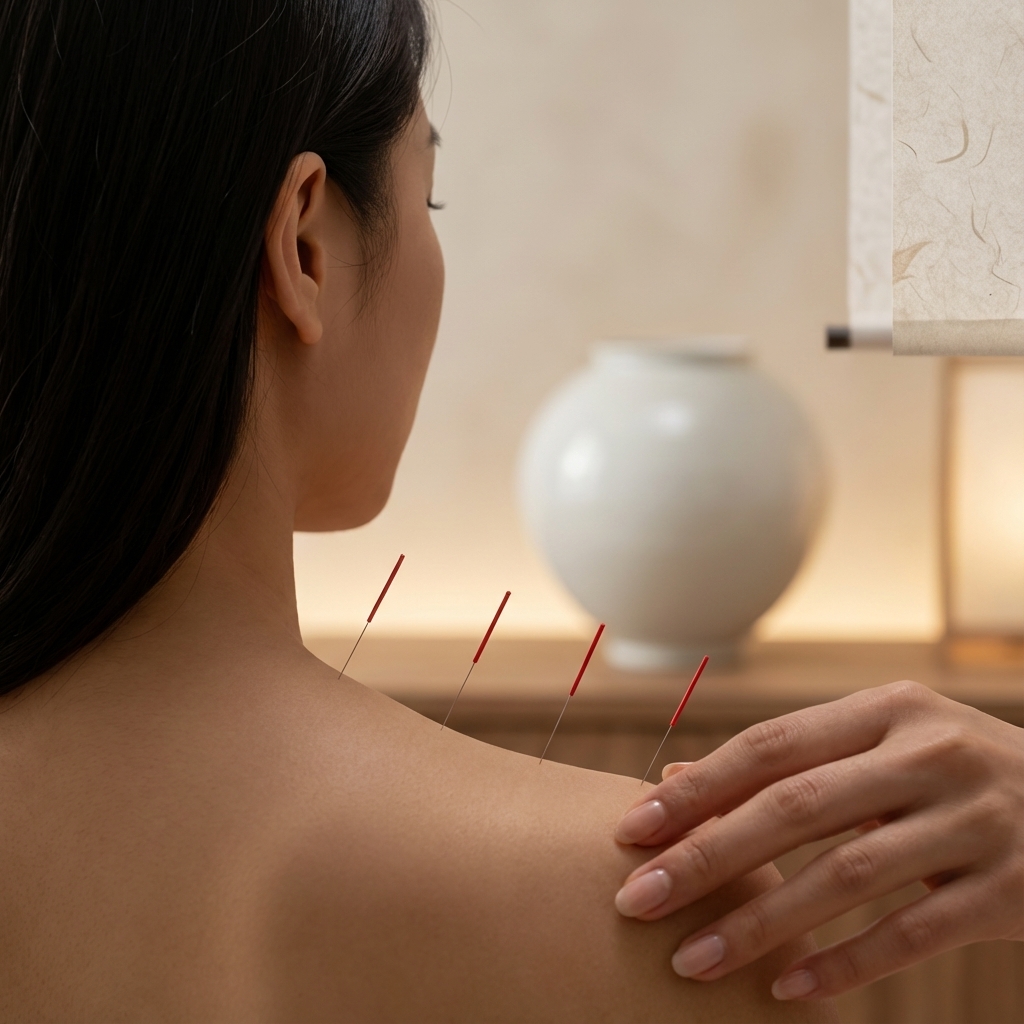
In Korean medicine, the goal is not a complete cure, but rather to build a body that prevents recurrence—that is, a state where Qi and blood circulation are smooth and organ functions are balanced. Since tendons and bones maintain themselves when the kidneys govern bones and the liver governs muscles and ligaments, these functions are reinforced with herbal medicine tailored to the individual's constitution during the latter stages of treatment. At Dongjedang, we detect signs of recurrence early through check-ups at intervals of 3 to 6 months, even after the completion of treatment.
Related FAQs
-
Q
I have had shoulder pain for over 5 years. Can I get better with Korean medicine treatment even in such a long-standing case?
#Possibility / Realistic Goals
-
Q
My mother, in her 70s, has shoulder impingement syndrome. Can she receive traditional Korean medicine treatment despite her advanced age?
#Possibility / Realistic Goals
-
Q
I have heard that shoulder impingement syndrome can lead to a rotator cuff tear. Does the treatment differ when both conditions are present?
#Comorbidities
-
Q
Are there any exercises that help with shoulder impingement syndrome? Conversely, what exercises should be avoided?
#Lifestyle Management
-
Q
How should I sleep if I have shoulder impingement syndrome? It seems to get worse when I lie on the painful shoulder side.
#Lifestyle Management