

Q I am a 47-year-old housewife. I’ve heard that the numbness and coldness in my hands are due to thoracic outlet syndrome. Does food have an impact? I feel like it gets worse when I eat cold food.
A While food is not the direct cause, for individuals with vascular compression or weak circulation, cold foods, excessive caffeine, and smoking can constrict peripheral blood vessels, exacerbating hand coldness and numbness. Eating warm foods, staying hydrated, and quitting smoking can help manage symptoms.
Detailed Answer
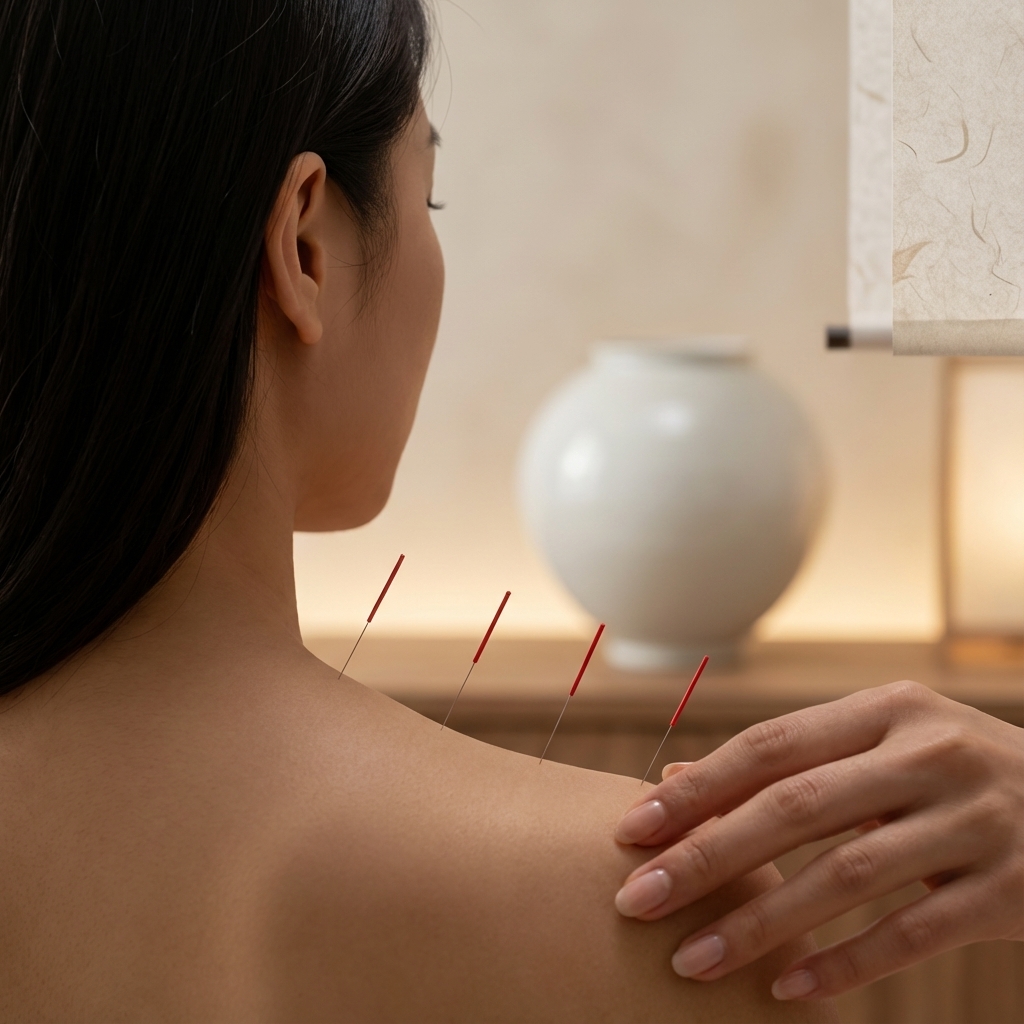
In thoracic outlet syndrome, hand coldness can be a sign that blood flow to the arm has been reduced due to compression of the subclavian artery. In this case, excessive caffeine, nicotine, and cold foods or environments further constrict peripheral blood vessels, amplifying the symptoms. Although food does not create the compression itself, adding a stimulating constriction to already narrowed blood flow can significantly worsen the perceived symptoms. Smoking damages overall vascular health so it must be reduced, and a diet centered on vegetables and Omega-3s, which have anti-inflammatory effects, is recommended as a supplement. The feeling that symptoms worsen after consuming cold foods is an accurate observation from a Korean medical perspective. In individuals with a constitution where waste and fluids accumulate due to weak digestive function or when exposed to cold and damp external stimuli, cold foods damage the body's warm energy, further slowing circulation and exacerbating congestion in already narrowed pathways. At Dongjedang, we view such individuals as lacking the body's warming energy and having blocked circulation. External treatments utilize acupuncture and thermotherapy—or thermotherapy acupuncture if necessary—to revitalize local circulation. Herbal medicine is used to restore the foundation of circulation through constitution-tailored prescriptions that warm the body from the inside and flush out waste and stagnant blood. Regarding dietary management, meals with a warm nature and warm teas such as ginger tea are helpful, and we recommend reducing the consumption of frozen desserts and cold beverages, at least during the treatment period.
Related FAQs
-
Q
I am a 46-year-old welder. I was told at the hospital that if my symptoms persist, surgery should be considered. Is there really a possibility of improvement without surgery through Korean traditional medicine treatment?
#Possibility / Realistic Goals
-
Q
I am a 58-year-old seamstress. I have suffered from arm numbness since my 30s, so it has been over 20 years. Can I get better if I start treatment now, even with such long-standing thoracic outlet syndrome?
#Possibility / Realistic Goals
-
Q
I am a 50-year-old factory worker. My MRI showed a herniated cervical disc, and I am also suspected of having thoracic outlet syndrome. How is treatment handled when both are present? Which side should be examined first?
#Comorbidities
-
Q
I am a 29-year-old marketer. Are there any stretches for thoracic outlet syndrome that I can do in my spare time at work? I am currently receiving treatment, but I would also like to manage it myself.
#Lifestyle Management
-
Q
I am a 55-year-old restaurant owner in Dongincheon. I keep waking up at night because my arm feels numb. I’ve heard it is due to thoracic outlet syndrome; what position should I sleep in to reduce the numbness?
#Lifestyle Management