

Q I am a 31-year-old nurse. I was diagnosed with thoracic outlet syndrome due to the heavy workload of transporting patients. How long does it usually take to get better once treatment begins? Do I need to take time off work?
A The nerve compression type often improves within 4 to 12 weeks with conservative treatment. Recovery is faster if the duration of the condition is short and postural factors are significant; however, if left untreated for several years, it may take 3 to 6 months or more. While most cases can be treated without taking time off work, it is advisable to reduce movements such as transporting heavy patients during the early stages of treatment.
Detailed Answer
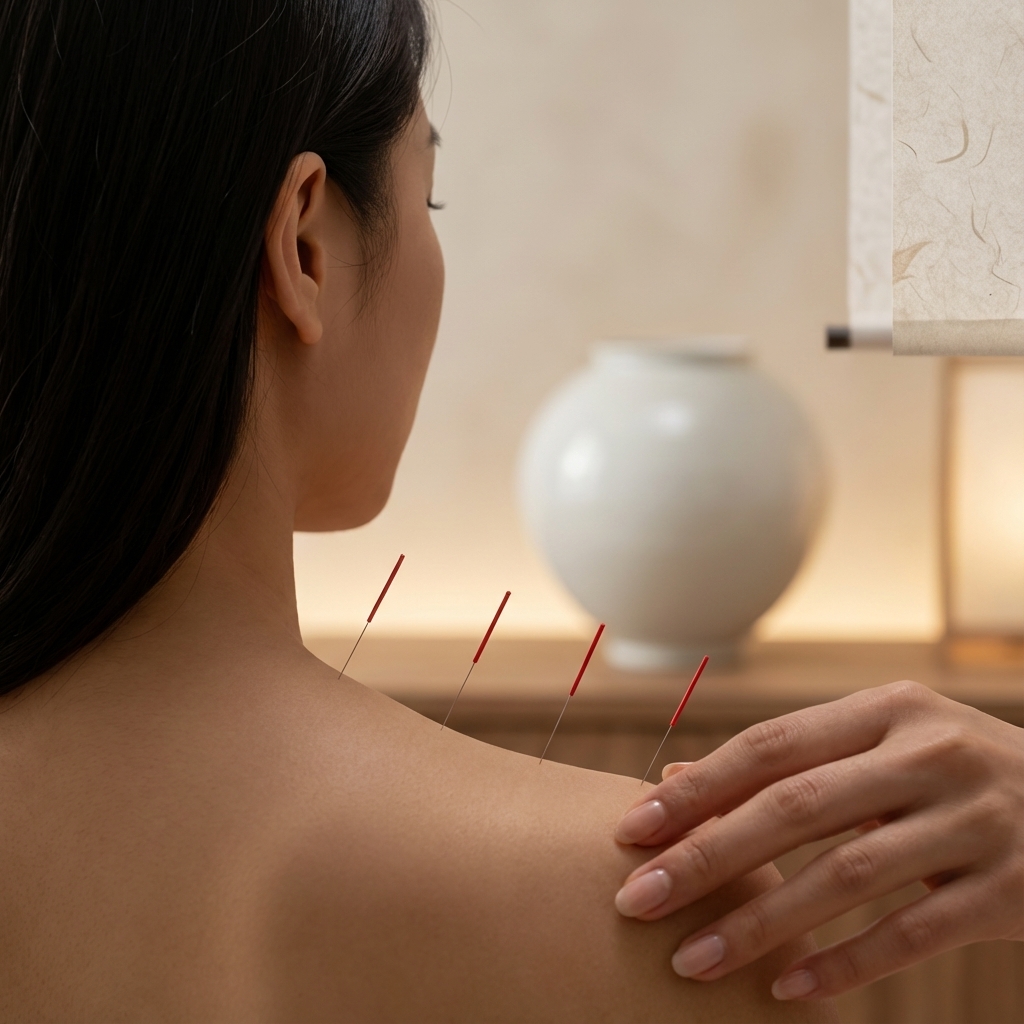
The neurological type, which accounts for over 90% of thoracic outlet syndrome cases, responds well to conservative treatment. Significant improvement can be expected within 4 to 12 weeks by combining posture correction, muscle relaxation, and exercise therapy. Variables that determine the speed of recovery include the duration of the illness, the persistence of occupational load, and the degree of muscle shortening. While it is rare to need to take a leave of absence, reducing movements such as raising arms above the shoulders and lifting heavy objects during the first 4 weeks accelerates recovery. If there are signs of hand muscle atrophy or vascular occlusion, a precise evaluation is the priority. In Korean medicine, the recovery period is determined by the depth of the blockage. In the early stages where circulation is blocked, a few acupuncture sessions may be sufficient; however, if the blockage has hardened due to clotted blood, the process requires removing it with fine needles and undergoing regenerative therapy. Since occupations involving energy depletion through shift work often result in reduced physical recovery capabilities, Dongjedang relieves pressure through external treatments (acupuncture → fine needle dissection → insertion of thermal stimulation needles/dissolvable sutures → pharmacopuncture) while simultaneously administering herbal medicine to replenish depleted energy and blood, and to flush out waste products and clotted blood. For those receiving treatment while working, boosting the body's recovery capacity itself is the quickest way to shorten the treatment period.
Related FAQs
-
Q
I am a 46-year-old welder. I was told at the hospital that if my symptoms persist, surgery should be considered. Is there really a possibility of improvement without surgery through Korean traditional medicine treatment?
#Possibility / Realistic Goals
-
Q
I am a 58-year-old seamstress. I have suffered from arm numbness since my 30s, so it has been over 20 years. Can I get better if I start treatment now, even with such long-standing thoracic outlet syndrome?
#Possibility / Realistic Goals
-
Q
I am a 50-year-old factory worker. My MRI showed a herniated cervical disc, and I am also suspected of having thoracic outlet syndrome. How is treatment handled when both are present? Which side should be examined first?
#Comorbidities
-
Q
I am a 29-year-old marketer. Are there any stretches for thoracic outlet syndrome that I can do in my spare time at work? I am currently receiving treatment, but I would also like to manage it myself.
#Lifestyle Management
-
Q
I am a 55-year-old restaurant owner in Dongincheon. I keep waking up at night because my arm feels numb. I’ve heard it is due to thoracic outlet syndrome; what position should I sleep in to reduce the numbness?
#Lifestyle Management