
Folliculitis
Folliculitis
Infection or inflammation of hair follicles
# Possibility / Realistic Goals (1)
# Comorbidities (2)
Q I seem to have both acne and folliculitis on my face. Can both be treated at once?
A. Acne and folliculitis have different causes but share the common background of excess sebum and inflammation, so they often appear together. Both are linked to damp-heat and heat-toxin in the body, and treating them together often improves both at once.
View details →Q Along with scalp folliculitis, I get dandruff-like flaking and itching. Can this be treated together too?
A. When the scalp shows pustules along with oily flaking and itching, conditions such as seborrheic dermatitis may overlap. Both are linked to heat and dampness gathering toward the scalp, and treating them together often improves both at once.
View details →# Lifestyle Management (2)
Q I'm in sales and shave every day, and each time folliculitis flares up on my chin and neck. How should I shave?
A. Shaving irritation is a common trigger for folliculitis. The keys are to shave gently in the direction of hair growth, use a clean blade, and soothe and moisturize after shaving. When it's severe, resting from shaving for a few days also helps.
View details →Q What habits should I build to reduce folliculitis? I exercise often and sweat a lot.
A. The keys are to wash and change immediately after sweating, wear breathable clothing, and not squeeze with your hands. Small habits that reduce moisture and friction make as big a difference as medication.
View details →# Safety (1)
# Drug Combination / Interactions (1)
# Prognosis / Recovery (2)
Q My folliculitis has flared up and subsided repeatedly for years. Can it really be kept from coming back, and how long does treatment usually take?
A. Even long-recurring cases can be stabilized once the body's damp-heat is cleared and the skin's regenerative ability is restored. Usually, with about three months of consistent treatment, we aim to noticeably reduce new pustules.
View details →Q After my folliculitis subsides, dark marks remain. Will these marks improve too, or can you only prevent more from forming?
A. Marks left by deep inflammation take time to fade, but preventing new marks from forming is most important. Calming inflammation quickly and not squeezing or scratching are key to preventing pigmentation.
View details →# Causes Explained (2)
Q What causes folliculitis?
A. Folliculitis is an inflammatory condition in which bacteria (mainly Staphylococcus aureus) or Malassezia fungi enter a hair follicle and trigger inflammation. When sweat, friction, or sebum clogs the pores or immunity drops, the microbes multiply and small pustules form.
View details →Q I thought it was acne, but the same spot keeps developing tiny grain-like pustules. How is folliculitis different from acne?
A. Acne forms when pores are clogged with sebum and dead skin cells, while folliculitis is caused by bacterial or fungal infection of the follicle. If itchy or stinging, pus-filled pustules keep recurring centered around hairs, it may be folliculitis, which calls for a different approach.
View details →# Food / Triggers (2)
Q I work in a kitchen, sweat a lot in the hot environment, and often eat greasy food, late-night snacks, and drink alcohol. Can treatment work even if I can't fully fix my eating habits?
A. Greasy food, flour-based food, and alcohol increase damp-heat and inflammation in the body and aggravate folliculitis, while sweating in a hot environment creates ideal conditions for bacteria to multiply. Treatment proceeds even without perfect changes, but cutting back together makes it work much faster and last longer.
View details →Q Are there particular factors that worsen folliculitis? I'm not sure what to watch out for.
A. Along with dietary factors such as greasy food, flour, and alcohol, the main aggravating factors are sweat, friction, tight clothing, and shaving irritation. Reducing moisture and friction and eating lightly lowers how often pustules appear.
View details →# Treatment Schedule (1)
# Treatment Stages (2)
Q If I treat folliculitis with Korean medicine, what specific sequence does it follow?
A. It proceeds in three stages: first emptying damp-heat and heat-toxin to calm inflammation (clearing-heat and detoxification), then stabilizing the over-reactive immune system, and finally regenerating the damaged skin to prevent recurrence. Herbal medicine and acupuncture are used together at each stage.
View details →Q What should I prepare before the consultation?
A. Organizing since when and in which areas the folliculitis recurs, in what situations it worsens such as sweat, shaving, or clothing friction, and which medications you are using makes the consultation faster and more accurate.
View details →# Effectiveness (2)
Q I'm a fitness trainer and sweat a lot. I keep taking antibiotics repeatedly for folliculitis on my back and shoulders, but it comes back when I stop. Is there a way to control it without medication?
A. Antibiotics only suppress the infection at the time; the internal and skin conditions that make it easy for bacteria to multiply with sweat and damp-heat remain, so it tends to recur once you stop. By changing that environment itself, you can aim for a state that relies less on medication.
View details →Q I keep getting grain-like pustules on my scalp and was told it's fungal folliculitis. I use antifungal shampoo regularly but it only helps temporarily. How is Korean medicine different?
A. Antifungal shampoo reduces the fungi on the scalp surface, but the internal environment of excess sebum and accumulated damp-heat remains the same, so it tends to recur. Emptying that damp-heat from the inside is what can lengthen the intervals between flare-ups.
View details →Folliculitis is not just a simple symptom
Korean medicine that considers both your constitution and lifestyle rhythm treats the root cause.
From consultation to precise treatment, we provide personalized care.
Prescriptions tailored to your constitution and symptoms treat the root cause
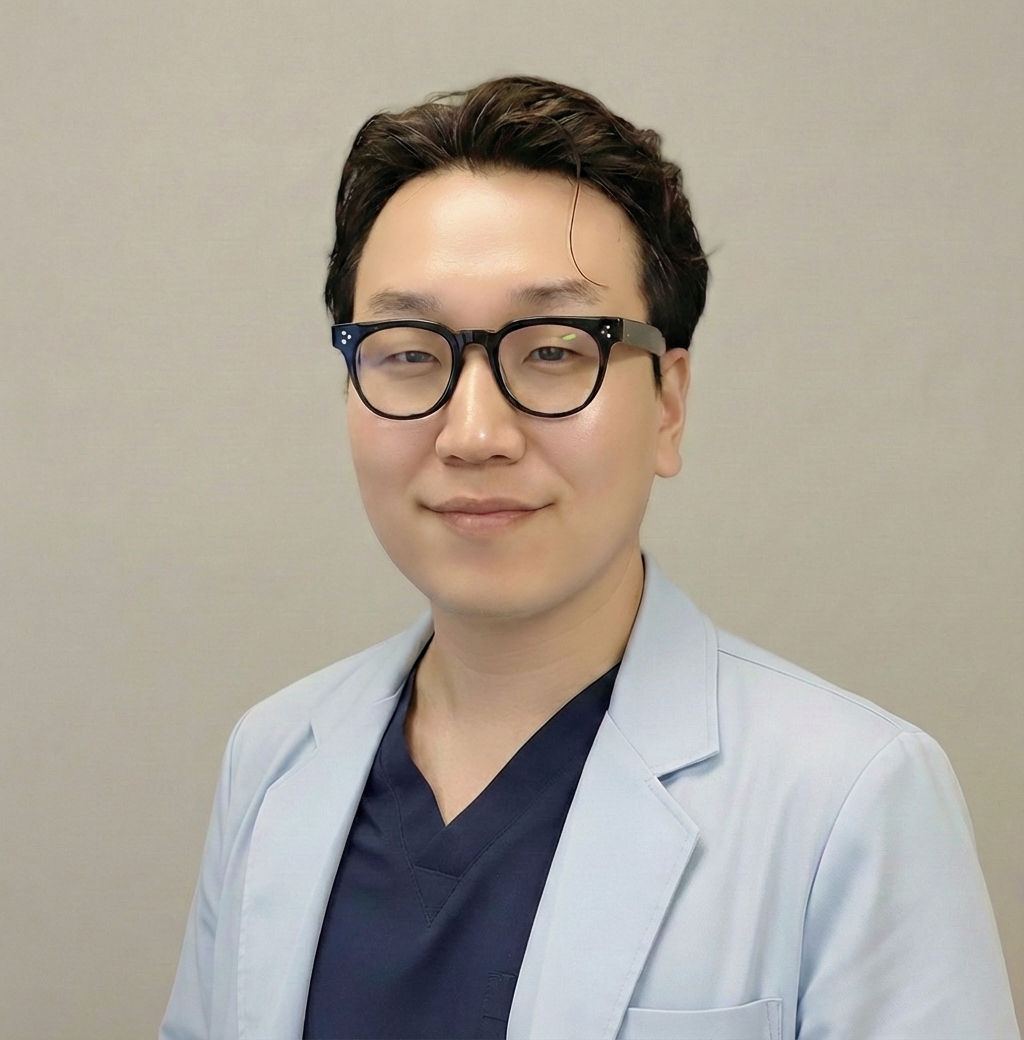
The director personally sees you from first to follow-up visits
We identify the essence through Sasang constitution, pulse and abdominal diagnosis
Treatment based on long clinical experience and evidence
Was this helpful? If you need accurate care for your condition, please contact us below.