
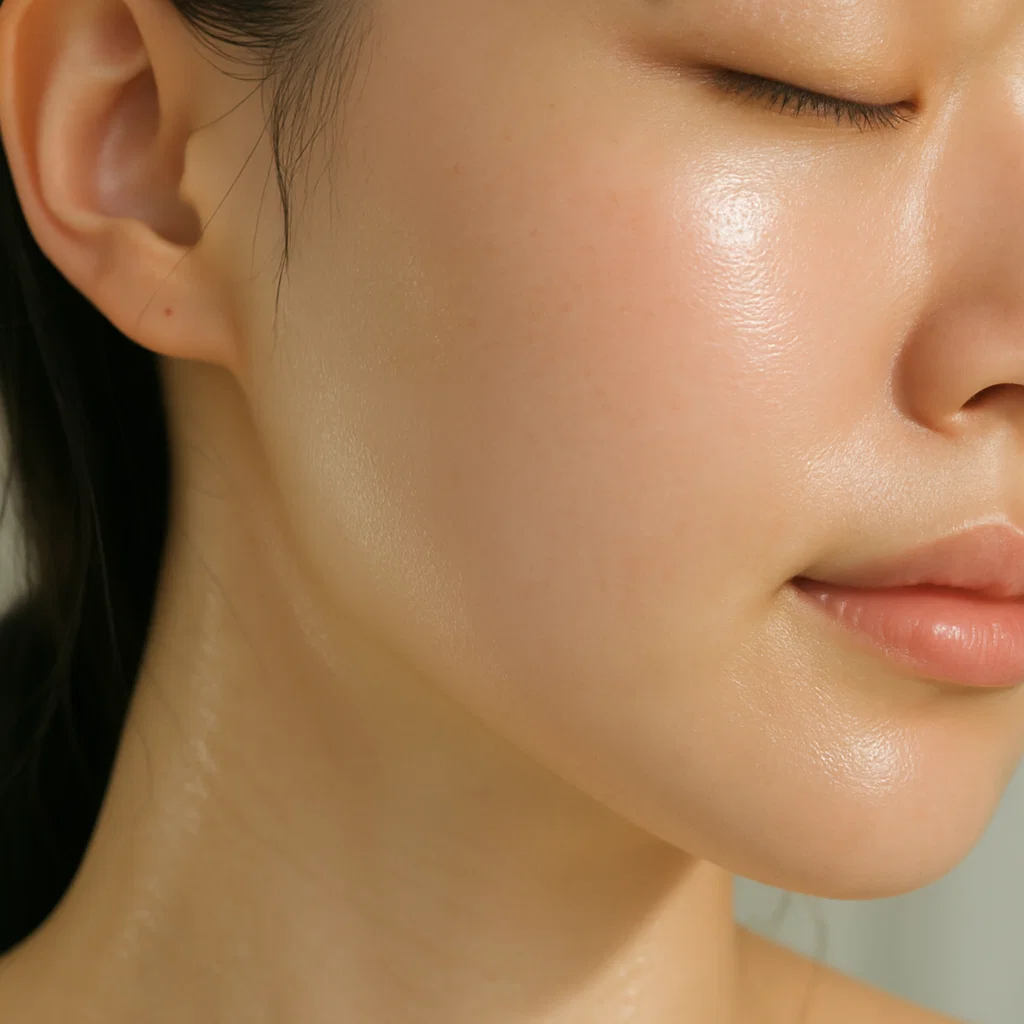
Other Skin Conditions
Other Skin
FAQ on other skin conditions
# Possibility / Realistic Goals (1)
# Comorbidities (2)
Q I have hyperhidrosis and also anxiety / panic disorder. Can they be treated together?
A. Hyperhidrosis and anxiety disorders share a common mechanism — sympathetic nervous system overactivation — and each worsens the other. Korean medicine can address both simultaneously through prescriptions that calm the Heart-Spirit (心神), making it more efficient than treating each condition separately. When necessary, combining cognitive-behavioural therapy (CBT) with Korean medicine treatment doubles the effectiveness.
View details →Q My melasma appeared together with irregular periods. Are they connected?
A. Melasma and menstrual irregularity often share common causes: fluctuations in female hormones (oestrogen), reduced liver function, and imbalance of qi and blood. In Korean medicine, the Liver stores Blood (血) and governs the smooth flow of qi (疏泄), so Liver-qi Stagnation (肝氣鬱結) is understood to simultaneously cause menstrual irregularity and facial melasma. Treating both conditions together yields better outcomes and longer-lasting results than treating each one alone.
View details →# Lifestyle Management (2)
Q What daily management is needed to prevent dyshidrotic eczema from recurring?
A. To prevent dyshidrotic eczema recurrence, apply moisturizer immediately after washing hands, and wear gloves when doing dishes or cleaning to minimize detergent irritation. Avoid contact with metals such as nickel and chromium, and stress management and sufficient sleep are key to preventing recurrence. Do not burst blisters yourself, as scratching can worsen the condition through secondary bacterial infection.
View details →Q Are there daily habits that can help manage melasma and age spots?
A. The first priority in melasma management is UV protection — apply products with SPF50+ PA+++ or higher 30 minutes before going out and reapply every 2–3 hours. Since skin regeneration is active during sleep, a regular bedtime and sufficient sleep are important for pigmentation recovery. Intake of foods containing vitamin C, folate, and glutathione also helps inhibit melanin synthesis.
View details →# Safety (1)
# Drug Combination / Interactions (1)
# Prognosis / Recovery (2)
Q I have had prurigo nodularis for a long time. Is a complete cure possible?
A. Prurigo nodularis is a chronic neurodermatitis characterized by hard nodules with intense itching appearing repeatedly throughout the body, and it can take months to years to achieve complete remission. Since the act of scratching itself worsens the nodules in a vicious cycle, blocking the itch sensation is the key to treatment. Korean medicine treatment addresses blood deficiency and wind-dryness (血虛風燥) to fundamentally reduce itching.
View details →Q My skin elasticity has dropped sharply since my 40s. Can Korean medicine help?
A. Skin aging is a physiological process in which collagen and elastin decrease, dermal moisture decreases, and sebum secretion decreases in a complex progression — complete reversal is difficult, but slowing the rate of progression is possible. Korean medicine aims to delay aging by replenishing kidney essence (腎精) and strengthening the lung's (肺) function of governing the skin. Taking tonifying qi and blood (補氣補血) formulas suited to one's constitution consistently can be expected to improve skin elasticity and radiance.
View details →# Causes Explained (2)
Q Why does dyshidrosis, characterized by small blisters on the hands and feet, occur?
A. Dyshidrosis is a condition in which multiple, transparent vesicles suddenly appear around the sweat glands on the palms and soles. Major triggers include stress, excessive sweating, and contact with metals (nickel). In Korean traditional medicine, it is believed that blisters develop when "heart fire" becomes stagnant, causing "damp heat" to accumulate in the hands and feet. Since it frequently recurs and tends to become chronic, systematic management from the early stages is crucial.
View details →Q I sweat excessively on my hands, feet, and armpits. Why does hyperhidrosis occur?
A. Hyperhidrosis is a condition in which sweat is secreted far beyond what is needed for body temperature regulation, most commonly presenting as primary hyperhidrosis concentrated in localized areas such as the hands, feet, armpits, and face. The key mechanism is that the sympathetic nervous system is overactivated, continuously stimulating eccrine sweat glands. In Korean medicine, it is seen as a qi-blood imbalance caused by spleen deficiency (脾虛) or disharmony between the heart and kidney (心腎不交).
View details →# Food / Triggers (2)
Q Are there foods or habits that worsen hyperhidrosis?
A. Spicy foods, hot beverages, caffeine, and alcohol directly stimulate the sympathetic nervous system and promote sweating, so hyperhidrosis patients need to be careful. Stress and sleep deprivation also disrupt autonomic nervous system balance and increase sweat secretion. In Korean medicine, patients are advised to avoid spicy and greasy foods that promote stomach heat (胃熱) and eating forcefully after drinking.
View details →Q I have melasma — do foods affect it besides UV rays?
A. UV rays are the biggest aggravating factor for melasma, but photosensitizing medications such as oral contraceptives, female hormones, antibiotics, and diuretics also intensify pigmentation. Processed food additives and oxidative stress can also promote melanin production, so intake of antioxidant foods is recommended. In Korean medicine, green and yellow vegetables that support the liver (肝) and foods that nourish blood (血) are considered favorable for melasma improvement.
View details →# Treatment Schedule (1)
# Treatment Stages (2)
Q What is the order of treatment for prurigo nodularis?
A. Prurigo nodularis treatment proceeds in 3 stages: ① urgent itch relief → ② nodule softening → ③ recurrence suppression. Initially, acupuncture and topical herbal medicines reduce the urge to scratch; in the middle phase, herbal medicine tonifying blood deficiency creates a skin regeneration environment; and in the maintenance phase, constitutional strengthening formulas prevent recurrence. If there are accompanying causative diseases (kidney or liver dysfunction, etc.), treating them simultaneously is necessary for high effectiveness.
View details →Q In what order is the Korean traditional medicine treatment for skin aging improvement received?
A. Korean traditional medicine treatment for skin aging proceeds in the following order: ① Assessment of constitution and organ function → ② Acupuncture and moxibustion to improve Qi and blood circulation → ③ Taking herbal medicine to replenish Qi and blood → ④ Lifestyle correction. During the initial consultation, the goal is to assess the functional status of the kidneys, lungs, and spleen and to supply sufficient Qi and blood necessary for collagen synthesis through a personalized prescription. After three months of medication, skin elasticity, radiance, and moisture levels are re-evaluated to adjust the prescription.
View details →# Effectiveness (2)
Q Is Korean medicine treatment effective for keloid scars? How is it different from laser treatment?
A. Keloid is a hypertrophic scar where fibroblasts proliferate excessively during the wound healing process, extending beyond the boundaries of normal skin, and due to high recurrence rates, a combined approach is recommended rather than monotherapy. Korean medicine aims for softening and flattening of scar tissue through removal of blood stasis (瘀血) and improvement of qi-blood circulation. Laser works by physically removing surface tissue, while Korean medicine external treatment takes a different direction of inducing tissue regeneration through internal qi-blood circulation, making them complementary when used together.
View details →Q Is Korean herbal medicine treatment actually effective for melasma and hyperpigmentation?
A. Melasma is a pigmented skin condition in which melanin pigment is excessively deposited locally, with UV rays, hormonal changes, and stress as the main triggers. Korean medicine treatment approaches it by resolving liver qi stagnation (肝氣鬱結) to facilitate qi-blood circulation and inhibit melanin production, with visible improvement reported with consistent medication over several months. The effect is even better when combined with topical whitening treatment or laser.
View details →Other Skin Conditions is not just a simple symptom
Korean medicine that considers both your constitution and lifestyle rhythm treats the root cause.
From consultation to precise treatment, we provide personalized care.
Prescriptions tailored to your constitution and symptoms treat the root cause
The director personally sees you from first to follow-up visits
We identify the essence through Sasang constitution, pulse and abdominal diagnosis
Treatment based on long clinical experience and evidence
Was this helpful? If you need accurate care for your condition, please contact us below.