
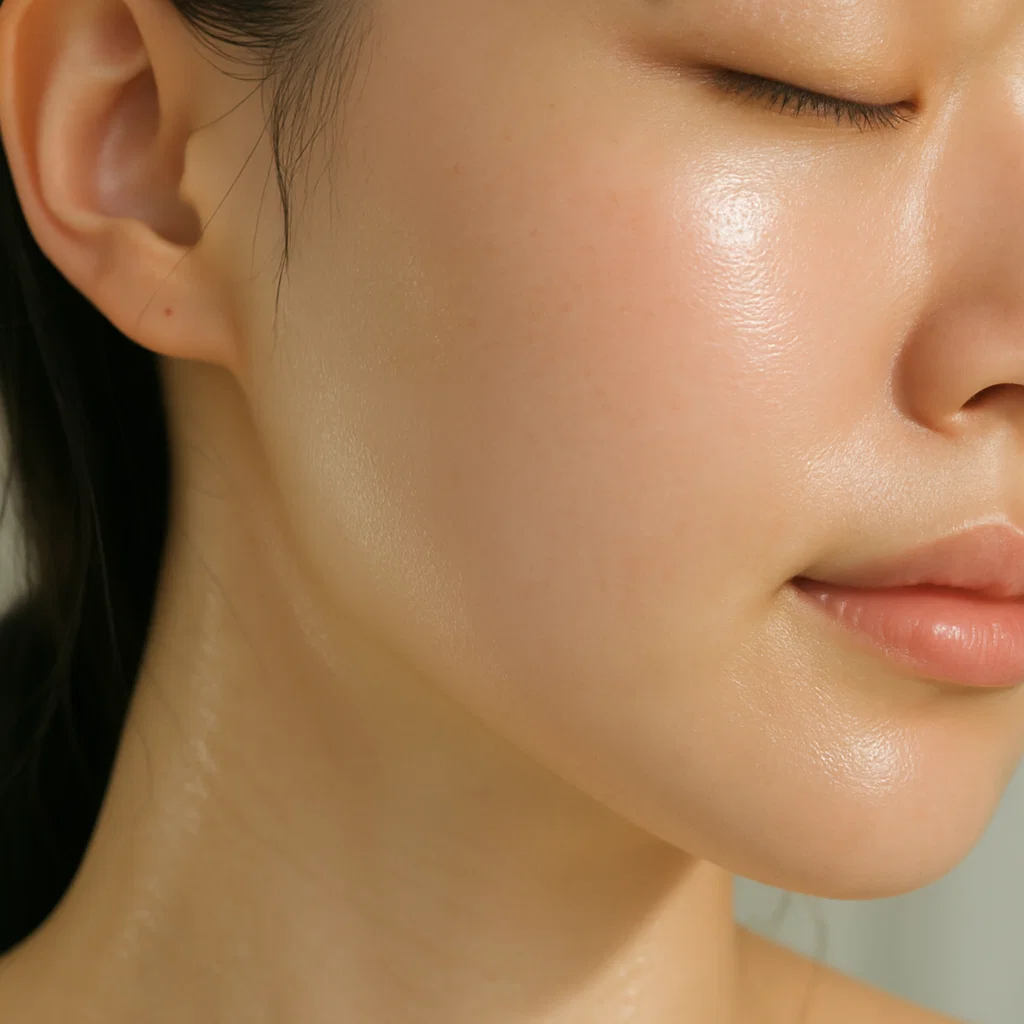
Q In what order is the Korean traditional medicine treatment for skin aging improvement received?
A Korean traditional medicine treatment for skin aging proceeds in the following order: ① Assessment of constitution and organ function → ② Acupuncture and moxibustion to improve Qi and blood circulation → ③ Taking herbal medicine to replenish Qi and blood → ④ Lifestyle correction. During the initial consultation, the goal is to assess the functional status of the kidneys, lungs, and spleen and to supply sufficient Qi and blood necessary for collagen synthesis through a personalized prescription. After three months of medication, skin elasticity, radiance, and moisture levels are re-evaluated to adjust the prescription.
Detailed Answer
During the first visit for Korean traditional medicine treatment for skin aging, the degree of kidney essence deficiency and the state of lung Qi are assessed through tongue diagnosis, pulse diagnosis, and questioning. Subsequently, acupuncture treatment is performed 1 to 2 times a week on the area below the knees, the lung area of the back, the kidney area of the back, and the inner ankles to activate systemic Qi and blood circulation and promote skin cell metabolism. Herbal medicine focuses on replenishing Qi and blood for the first one to two months, after which it switches to prescriptions incorporating anti-aging herbs (Polygonum multiflorum, deer antler, and goji berries). From the perspective of a Korean medicine clinic, in Physiognomy, since the Dampness constitution is characterized by prominent dry skin aging, prescriptions that nourish Yin and moisturize dryness are key; meanwhile, since the Bladder constitution exhibits edematous aging caused by water toxicity, diuresis and spleen strengthening are combined. For external skin treatment, applying an herbal pack (a mixture of Job's tears powder, Poria cocos, and pearl powder) twice a week can produce synergistic effects for whitening and moisturization. Clinical studies in Korean medicine have reported that the consistent consumption of Angelica sinensis, Paeonia lactiflora, and Polygonum multiflorum promotes collagen synthesis in the dermal layer.
Related FAQs
-
Q
I have had dyshidrosis for 20 years — can it still improve with Korean medicine at my age?
#Possibility / Realistic Goals
-
Q
I have hyperhidrosis and also anxiety / panic disorder. Can they be treated together?
#Comorbidities
-
Q
My melasma appeared together with irregular periods. Are they connected?
#Comorbidities
-
Q
What daily management is needed to prevent dyshidrotic eczema from recurring?
#Lifestyle Management
-
Q
Are there daily habits that can help manage melasma and age spots?
#Lifestyle Management