
Seborrheic / Rosacea
Seborrheic Dermatitis
Treatment of seborrheic dermatitis and rosacea
# Possibility / Realistic Goals (1)
# Comorbidities (1)
# Lifestyle Management (2)
Q I have seborrhoeic scalp dermatitis — should I wash my hair every day or less often? What kind of shampoo should I use?
A. Daily shampooing helps remove excess sebum and suppress Malassezia overgrowth, but products with too strong a cleansing effect damage the skin barrier. The standard recommendation is to use a medicated shampoo containing ketoconazole or zinc pyrithione 2–3 times a week, and on other days use a gentle, low-irritation shampoo.
View details →Q I have facial flushing and do a lot of outdoor activities in summer. What sunscreen should I choose and how should I manage my skin outdoors?
A. UV rays are one of the most powerful aggravating factors for rosacea. Apply a mineral (physical) sunscreen with SPF30+ and PA+++ (zinc oxide or titanium dioxide) every day, and use a wide-brimmed hat and sunglasses for physical blocking. After going out, quickly cooling the face with a cold pack is effective for suppressing vascular dilation.
View details →# Safety (1)
# Drug Combination / Interactions (1)
# Prognosis / Recovery (2)
Q Do I have to live with seborrhoeic dermatitis forever? Is it true that it gets better with age?
A. Seborrhoeic dermatitis is a chronic relapsing condition, and long-term management rather than a complete cure is the realistic goal. Cases arising in infancy usually resolve spontaneously around the first birthday, but the adult form repeatedly alternates between relapse and remission. After the 50s, sebum secretion decreases and symptoms tend to ease, but there is considerable individual variation depending on constitution, stress, and lifestyle habits.
View details →Q Can rosacea be completely cured? Will the telangiectasia (visible vessels) also disappear with treatment?
A. With active treatment and trigger management, the redness and papules/pustules of rosacea can be significantly improved, but already-dilated capillaries (visible vessels) are difficult to reverse without laser treatment. Managing symptoms and preventing worsening is a more realistic goal than a complete cure.
View details →# Causes Explained (3)
Q I am a salaried worker in my 30s in Dong-gu, Incheon. I get greasy, flaky dandruff on my scalp and both sides of my nose. Why does seborrhoeic dermatitis appear in only those areas?
A. Seborrhoeic dermatitis occurs when Malassezia yeast overgrows in areas with well-developed sebaceous glands, triggering an immune hypersensitivity reaction. The reason it concentrates on the scalp, around the nose, eyebrows, and behind the ears — the sebum-rich T-zone — is precisely because this fungus feeds on sebum. The cycle of excess sebum → fungal overgrowth → inflammation → scaling repeats itself.
View details →Q My seborrhoeic scalp condition flares up every change of season. Is stress also related?
A. During seasonal transitions, the rhythm of sebum secretion is disrupted and stress hormones (cortisol) stimulate the sebaceous glands, creating an environment for Malassezia overgrowth. Temperature and humidity changes weaken the skin barrier, and when sleep deprivation is added, immune regulatory function drops and flare-ups become more frequent.
View details →Q I am a housewife in my 40s. My cheeks are always red, and even one drink or going to a hot place turns my face bright red. Is this rosacea?
A. Rosacea (酒齄) is a chronic inflammatory skin disease in which facial blood vessels become abnormally reactive, dilating easily in response to stimuli such as heat, alcohol, and UV rays, and remaining persistently red. It is centred on the cheeks, nose, forehead, and chin with persistent erythema, telangiectasia, and papules; avoiding aggravating factors is the first-line management.
View details →# Food / Triggers (2)
Q I have heard that alcohol and greasy food are bad for seborrhoeic dermatitis. What specific foods should I avoid?
A. Alcohol, rich fatty foods, and spicy or salty stimulating foods accumulate Damp-Heat in the Spleen-Stomach and Liver, increasing sebum secretion. Refined carbohydrates (white bread, instant noodles) spike insulin rapidly and stimulate the sebaceous glands. In Korean medicine, raw and cold foods are also advised to be reduced as they impair Spleen-Stomach transformation function.
View details →Q My facial flushing is severe. What foods and lifestyle factors should I avoid? Are coffee and chocolate also off-limits?
A. The main dietary triggers for rosacea are alcohol, hot beverages, spicy foods, chocolate, and spices. Coffee itself causes vasodilation more from the hot temperature than from caffeine, so drinking it cold has a relatively lesser impact. Non-dietary triggers that worsen flushing include UV rays, hot environments, intense exercise, and saunas.
View details →# Treatment Schedule (1)
# Treatment Stages (2)
Q How should I combine Korean medicine and conventional treatment in the early stage of rosacea (only redness and flushing)?
A. The first stage of rosacea (erythematotelangiectatic type) is managed by trigger avoidance, SPF30+ sun protection, and minimal skincare. Korean medicine uses formulas such as Galgeun-haegi-tang and Cheongsang-bangpung-tang to clear upper-body heat and reduce vascular reactivity, suppressing disease progression.
View details →Q My rosacea has progressed to the stage of papules and pus. What treatment should I undergo at this stage?
A. Stage 2 rosacea (papulopustular type) requires inflammation control as its core. Standard treatments include low-dose doxycycline or azelaic acid; if Demodex overgrowth is involved, ivermectin cream is added. Korean medicine uses blood-clearing and heat-clearing formulas to control internal heat, helping reduce antibiotic dependence.
View details →# Effectiveness (2)
Q I was prescribed an antifungal shampoo (ketoconazole) by the dermatologist, but it only helps while I use it and relapses once I stop. Is there any way to cure it fundamentally?
A. Ketoconazole shampoo has excellent efficacy in suppressing Malassezia, but it does not address the root causes — excess sebum secretion and immune imbalance. That is why relapse occurs repeatedly after discontinuation. Controlling sebum secretion and restoring the skin barrier alongside the antifungal agent is necessary to extend the interval between relapses.
View details →Q Can Korean medicine treatment at a clinic in the Dong-incheon area actually be effective for seborrhoeic dermatitis? How does it differ from conventional medicine?
A. Korean medicine treatment is stronger in correcting the excess-sebum constitution, restoring immune function, and suppressing long-term relapse rather than immediate fungal suppression like antifungal agents. Conventional medicine works faster for short-term calming, but for recurrent cases, combining Korean medicine is effective in extending the relapse interval.
View details →Seborrheic / Rosacea is not just a simple symptom
Korean medicine that considers both your constitution and lifestyle rhythm treats the root cause.
From consultation to precise treatment, we provide personalized care.
Prescriptions tailored to your constitution and symptoms treat the root cause
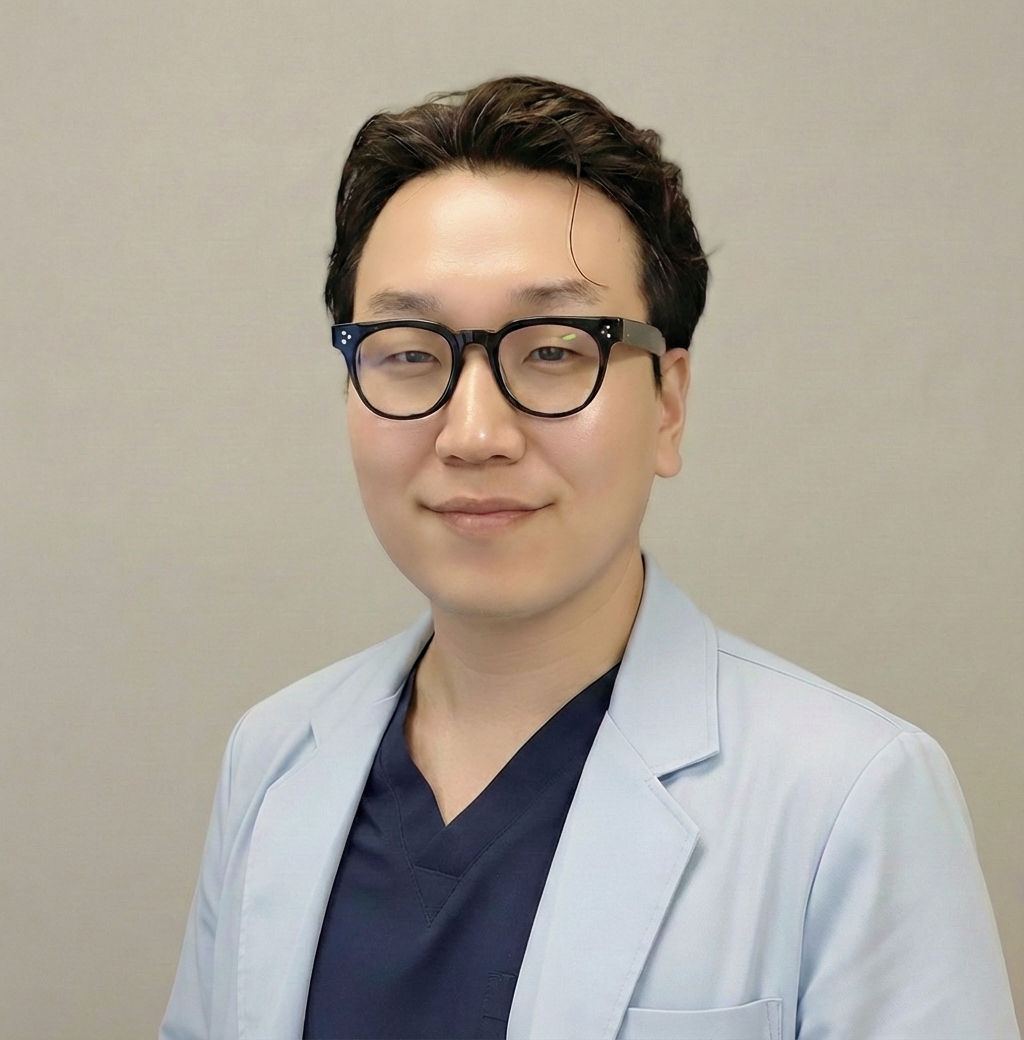
The director personally sees you from first to follow-up visits
We identify the essence through Sasang constitution, pulse and abdominal diagnosis
Treatment based on long clinical experience and evidence
Was this helpful? If you need accurate care for your condition, please contact us below.