
Skin Care Lifestyle
Skin Care
Lifestyle management for skin health
# Possibility / Realistic Goals (1)
# Comorbidities (2)
Q I heard that gut health also affects skin. Is that true?
A. Yes, gut health and skin condition are closely connected through the concept of the gut-skin axis. Gut microbiome imbalance can raise systemic inflammation levels, worsening inflammatory skin diseases such as acne, eczema, and psoriasis. Taking probiotics, eating enough dietary fiber, and limiting processed foods can also benefit skin health.
View details →Q My skin changes with menopause or my menstrual cycle. How should I manage it?
A. Hormonal changes directly affect the skin's moisture-oil balance and sebum secretion. During the luteal phase before menstruation, increased progesterone boosts sebum production, making breakouts more likely. At menopause, decreasing estrogen causes rapid skin dryness and loss of elasticity. It is effective to understand your hormonal cycle and apply targeted care (intensified moisturizing, avoiding exfoliation) during those periods.
View details →# Lifestyle Management (2)
Q Is more thorough and frequent face washing better for the skin?
A. Excessive face washing is actually a major cause of skin barrier destruction. Washing twice a day with lukewarm water using a mildly acidic cleanser rather than alkaline soap is recommended. The goal is to remove dust and sunscreen, not to completely strip away sebum.
View details →Q I have heard that poor sleep makes your skin worse. Specifically, what should I do?
A. More than 70% of skin cell regeneration occurs during sleep, so 7–8 hours of sleep per night is the foundation of skin health. In particular, growth hormone secretion peaks between 11 PM and 2 AM, during which skin collagen synthesis is concentrated. For sleep environment, maintaining indoor humidity at 50–60% and improving sleeping position (avoiding sleeping on your side to prevent pillow creases) are helpful.
View details →# Safety (1)
# Drug Combination / Interactions (1)
# Prognosis / Recovery (2)
Q If I change my lifestyle habits, how long will it take for my skin to improve?
A. Skin cells (epidermis) renew completely in approximately 28 days. Benefits from lifestyle changes begin appearing quickly in about 4 weeks, and noticeable differences require consistent maintenance for 8–12 weeks or longer. The more simultaneously you improve diet, sleep, moisturizing, and sun protection, the faster the recovery.
View details →Q Will skin tanned by summer UV rays recover on its own in autumn?
A. Sunburn redness subsides as the epidermis regenerates within 2–3 weeks, but UV-induced pigmentation and collagen damage do not fully recover on their own. Strict sun protection combined with antioxidant care such as Vitamin C is needed to accelerate pigmentation improvement. The more damage accumulates, the harder recovery becomes, making prevention most important.
View details →# Causes Explained (2)
Q What is the skin moisture barrier? I do not really understand why it is important.
A. The outermost skin layer is covered by a moisture barrier (skin barrier) made of ceramides and fatty acids, which prevents water evaporation and protects skin from external irritants. When damaged, the skin becomes dry easily and prone to inflammation. In environments with strong sea breezes like Dong-gu, Incheon, barrier damage can progress more rapidly.
View details →Q Why does my skin get worse when I am under a lot of stress? I am an office worker and my skin has been terrible lately.
A. Stress increases cortisol secretion, which overactivates sebaceous glands and promotes skin inflammation. At the same time, growth hormone and immune function needed for skin regeneration are suppressed, slowing recovery. Skin care alone, without managing stress, cannot achieve fundamental improvement.
View details →# Food / Triggers (2)
Q Are there foods that slow down skin aging? I am a homemaker who would like to incorporate them into my daily diet.
A. Berries, tomatoes, and dark green and yellow vegetables rich in antioxidants are effective in preventing skin aging. Mackerel, salmon, and perilla seeds high in omega-3 fatty acids strengthen the skin moisture barrier and reduce inflammation. Conversely, high-GI refined sugars and white flour products damage collagen through glycation and accelerate skin aging.
View details →Q Are there foods that are particularly bad for my skin? I am an office worker in Dong-incheon and go to frequent company dinners.
A. Alcohol dilates skin blood vessels causing redness and puffiness, and disrupts sleep quality, interfering with skin regeneration. Spicy, salty foods and excessive processed food consumption are major triggers that worsen skin inflammation. When dining out frequently, eating well before drinking and drinking plenty of water afterward helps protect the skin.
View details →# Treatment Schedule (1)
# Treatment Stages (2)
Q If I am starting skin lifestyle management for the first time, what order should I follow?
A. The three core pillars of skin care are moisturizing, sun protection, and cleansing—establish this foundation in this order. Initially, consistently using a basic moisturizer suited to your skin type and an SPF30+ sunscreen is more important than expensive functional products. After the basics are stable, gradually adding serums and functional products is recommended.
View details →Q I have heard that exercise is good for the skin. What kind of exercise is recommended?
A. Aerobic exercise promotes blood circulation, supplying oxygen and nutrients to the skin and improving skin elasticity. However, leaving sweat on the skin after exercise can cause bacterial growth and clogged pores leading to breakouts, so washing your face immediately after exercise is important. Excessively high-intensity exercise can elevate cortisol and worsen skin inflammation, so moderate, consistent exercise is recommended.
View details →# Effectiveness (2)
Q Should I apply moisturizer immediately after washing my face for it to be effective? I am not sure if my skin is dry.
A. Applying moisturizer within 3 minutes of washing—while the skin is still damp—maximizes water-locking. Waiting until the skin is completely dry results in oil application rather than moisture delivery, reducing efficacy. The most effective order is: cleanse → toner → essence → moisturizer.
View details →Q Do I really need to apply sunscreen on cloudy days or indoors?
A. On cloudy days, 80% of UVA still passes through clouds, so sunscreen is necessary regardless of weather. Indoors, UVA can penetrate glass and cause skin aging. Choose a product with both SPF (UVB protection) and PA (PPD index) ratings for UVA protection.
View details →Skin Care Lifestyle is not just a simple symptom
Korean medicine that considers both your constitution and lifestyle rhythm treats the root cause.
From consultation to precise treatment, we provide personalized care.
Prescriptions tailored to your constitution and symptoms treat the root cause
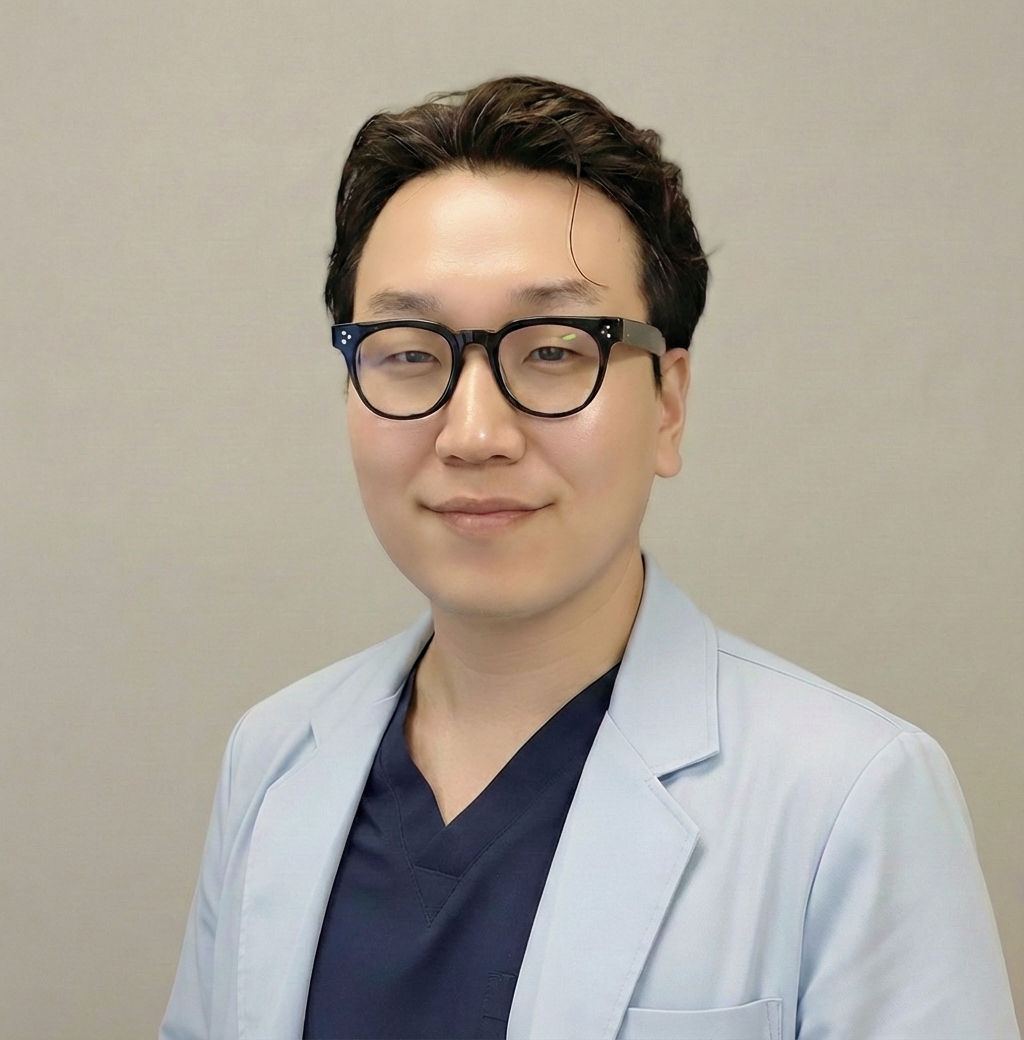
The director personally sees you from first to follow-up visits
We identify the essence through Sasang constitution, pulse and abdominal diagnosis
Treatment based on long clinical experience and evidence
Was this helpful? If you need accurate care for your condition, please contact us below.