
Tinea (Athlete's Foot & Ringworm)
Tinea
Fungal skin infections causing itching and scaling
# Possibility / Realistic Goals (1)
# Comorbidities (2)
Q I have diabetes. Is athlete's foot more dangerous for me?
A. In diabetic patients, athlete's foot carries a high risk of progressing to cellulitis (a deep bacterial skin infection), so it must always be treated early and actively. If blood sugar is not controlled, athlete's foot treatment is also less effective. If a wound, redness, or warmth develops on the foot, an immediate visit to internal medicine is necessary.
View details →Q I have atopic dermatitis. Can athlete's foot occur along with it? How do I tell them apart?
A. Atopic patients have a damaged skin barrier, making them vulnerable to athlete's foot infection. Atopic eczema and athlete's foot have similar symptoms and are easy to confuse, but a KOH smear test can distinguish them. If a steroid topical agent is mistakenly applied to athlete's foot, the fungus proliferates even more (tinea incognita), so accurate differentiation is very important.
View details →# Lifestyle Management (2)
Q I'm an office worker in my 30s. How should I care for my feet during athlete's foot treatment?
A. The most important thing is to dry your feet completely, including between the toes, after washing them. Wear cotton socks and avoid wearing the same shoes two days in a row. Wear slippers when using shared bathrooms, and as a rule, use your own towel only.
View details →Q I'm a resident of Dong-gu, Incheon. Can athlete's foot spread to my family? How do I prevent it?
A. Athlete's foot can spread to family members through contact. Use towels, foot mats, and slippers for personal use only, and disinfect the bathroom floor frequently. If a family member is infected, treating everyone together is effective for preventing reinfection.
View details →# Safety (2)
Q I'm pregnant. Is it safe to treat athlete's foot?
A. During pregnancy, the use of oral antifungals is restricted. Topical clotrimazole cream is relatively safe, but in early pregnancy a doctor's consultation should come first. Korean medicine treatment can be adjusted to center on herbs that are safe for pregnant women, and an approach centered on acupuncture is possible.
View details →Q My 7-year-old child has a round patch of hair loss on the head with scale-like flakes. Is this tinea capitis? Is there a treatment that is safe for children?
A. Tinea capitis (scalp ringworm) is a dermatophyte infection common in children. Round patches of hair loss and scaling are characteristic. Pediatric oral antifungals (griseofulvin, pediatric terbinafine) are the standard treatment, and Korean medicine treatment can be combined to strengthen the child's immunity and restore the skin barrier.
View details →# Drug Combination / Interactions (1)
# Prognosis / Recovery (2)
Q I'm a university student in my 20s. Can athlete's foot be cured completely, or do I have to manage it for life?
A. Skin tinea (of the feet and body) can be completely cured with appropriate antifungal treatment. However, because the recurrence rate is high, environmental management remains important even after treatment. Onychomycosis (nail fungus) takes more than three to six months to cure and has a relatively lower cure rate.
View details →Q I'm a diabetic patient in my 50s. How long does it take to cure nail fungus (onychomycosis)?
A. In diabetic patients, onychomycosis takes longer to treat and has a higher risk of recurrence than in non-diabetics. It requires six to twelve months of treatment with oral antifungals (itraconazole or terbinafine), and blood sugar control directly affects treatment outcomes. Leaving athlete's foot untreated carries a risk of secondary infections such as cellulitis, so early and active treatment is important.
View details →# Causes Explained (2)
Q I'm an office worker in my 40s. The skin between my toes is always damp and itchy. Why do I get athlete's foot?
A. Athlete's foot is an infection caused by dermatophytes (mainly Trichophyton rubrum) that break down keratin in the stratum corneum. The main causes are hot and humid environments, poorly ventilated shoes, and use of shared facilities. In Korean medicine, when Spleen-Stomach damp-heat (biwi-seupyeol) accumulates in the body and the immune barrier breaks down, fertile ground forms for external fungi to take hold.
View details →Q I'm a housewife in my 30s. I developed round, red spots on my torso. Can athlete's foot appear on the body too?
A. Yes. Called tinea corporis, dermatophyte infections can occur on the torso, arms, and legs. It is characterized by a ring-shaped red patch that clears in the center while the edges spread outward in red. It can spread if you sweat a lot, are in a humid environment, or have weakened immunity.
View details →# Food / Triggers (2)
Q I'm a man in my 30s living in Dongincheon. Does my athlete's foot get worse when I drink alcohol often?
A. Alcohol can aggravate athlete's foot by adding to internal damp-heat and weakening immune function. After drinking, the feet sweat more and blood vessels dilate, creating a favorable environment for fungal growth. During treatment, it is best to cut down on alcohol and greasy foods.
View details →Q I'm a housewife in my 60s. Are there specific foods I should avoid or foods that are good for athlete's foot?
A. Sugar, wheat flour, greasy foods, and alcohol can add to internal damp-heat and create an environment for athlete's foot, so it is best to cut down on them. On the other hand, bland foods that support Spleen-Stomach function, such as Job's tears (uiin) and Chinese yam (sanyak), can help. Drink plenty of water, but avoid cold beverages.
View details →# Treatment Schedule (1)
# Treatment Stages (2)
Q What treatment takes place at a Korean medicine clinic for a first athlete's foot visit?
A. At the first visit, we assess the condition of the feet, the infected area, and accompanying conditions (whether diabetes or weakened immunity is present), and determine the Korean medicine pattern (such as Spleen-Stomach damp-heat or blood deficiency with wind-dryness). We then plan heat-clearing, detoxifying herbal prescriptions, detoxifying acupuncture and pharmacopuncture, and topical Sophora root (gosam) and Amur cork tree bark (hwangbaek) compresses. For severe onychomycosis or suspected secondary infection, we refer for dermatology or internal medicine co-treatment.
View details →Q My athlete's foot symptoms are gone. Do I need to continue Korean medicine treatment?
A. The disappearance of symptoms does not mean the fungus has been completely eliminated. Maintenance treatment is especially important for onychomycosis or chronic, recurrent athlete's foot. In Korean medicine, after symptoms resolve we move on to the stage of improving the Spleen-Stomach damp-heat constitution, aiming to prevent recurrence.
View details →# Effectiveness (1)
Tinea (Athlete's Foot & Ringworm) is not just a simple symptom
Korean medicine that considers both your constitution and lifestyle rhythm treats the root cause.
From consultation to precise treatment, we provide personalized care.
Prescriptions tailored to your constitution and symptoms treat the root cause
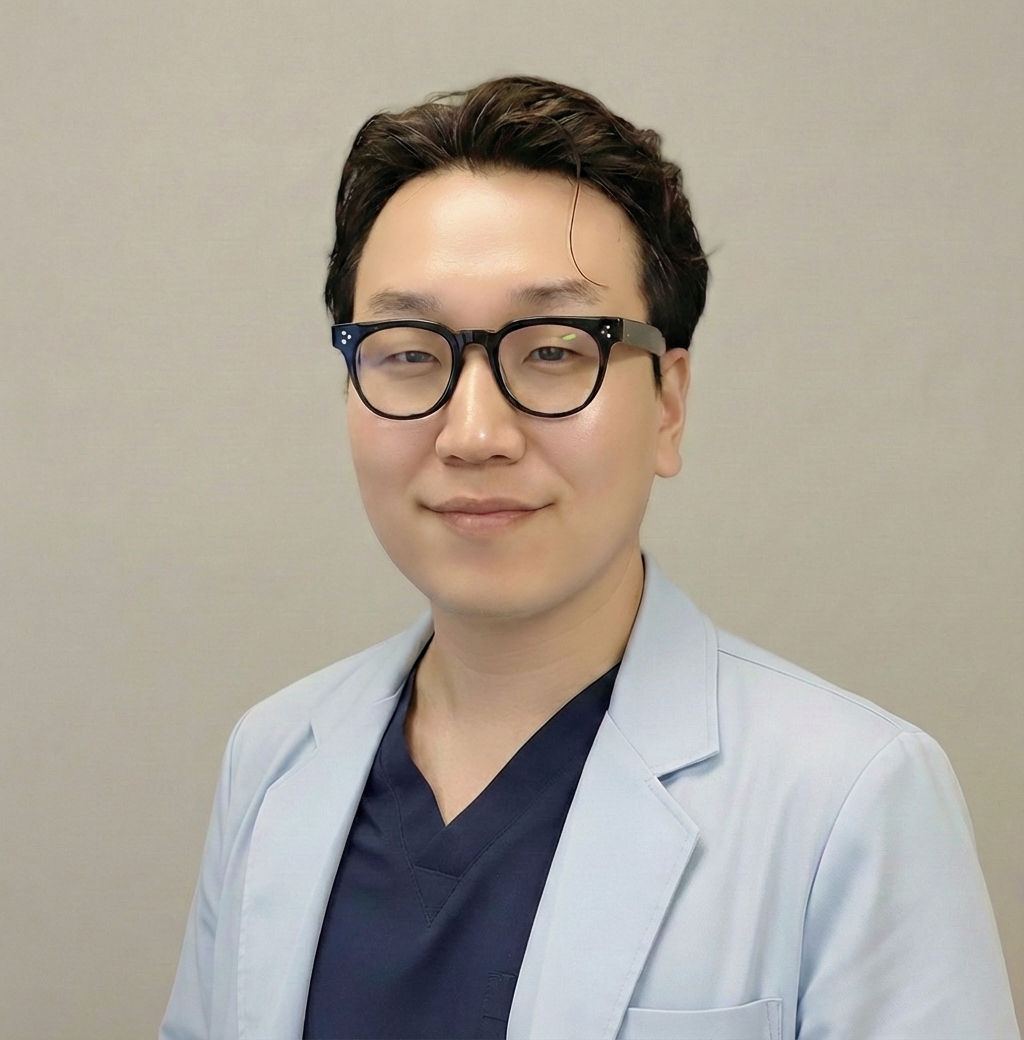
The director personally sees you from first to follow-up visits
We identify the essence through Sasang constitution, pulse and abdominal diagnosis
Treatment based on long clinical experience and evidence
Was this helpful? If you need accurate care for your condition, please contact us below.