
Urticaria (Hives)
Urticaria
Skin allergic reaction causing swelling
# Possibility / Realistic Goals (1)
# Comorbidities (2)
Q I have hives and also rhinitis and asthma. Are they related?
A. Hives, allergic rhinitis, and asthma all share the common mechanism of IgE-mediated immune hypersensitivity reactions. Similar to the concept of the atopic march, having one allergic disease increases the likelihood of having other allergic diseases. Oriental medicine clinics treat the three conditions as one immune-hypersensitivity constitution.
View details →Q Every time I get hives, I also have indigestion and stomach pain. Is it related to a weak digestive system?
A. There is a close relationship between impaired gastrointestinal function and hives. Increased intestinal mucosal permeability allows allergens to be more easily absorbed, which can trigger skin immune reactions. Additionally, during hive flares, histamine can contract the smooth muscles of the intestine, causing abdominal pain and diarrhea.
View details →# Lifestyle Management (2)
Q I get urticaria frequently. How should I manage it in daily life? I'm in my 20s living in Dong-gu, Incheon.
A. The key to preventing urticaria is identifying individual triggering factors (triggers) and avoiding them. To minimize skin irritation, it is recommended to wear loose cotton clothing, take lukewarm baths, and use fragrance-free moisturizers. Keeping a food diary and stress management (meditation, regular sleep) are effective for relapse prevention.
View details →Q I get urticaria when I exercise. Should I just give up on exercise?
A. Exercise-induced urticaria is often cholinergic urticaria, where rising body temperature and sweating stimulate mast cells. There is no need to completely give up exercise — a method of gradual adaptation with low-intensity, short-duration exercise is recommended. Taking an antihistamine 30 minutes before exercise may help with prevention.
View details →# Safety (1)
# Drug Combination / Interactions (1)
# Prognosis / Recovery (2)
Q Does chronic urticaria ever go away on its own? I'm a housewife in my 30s who has suffered for 3 years.
A. Chronic urticaria has a high spontaneous remission rate over time with treatment and management. Studies show that about 80% see symptoms disappear or greatly improve within 5 years. Regular treatment combined with trigger avoidance can bring the remission period forward.
View details →Q I also have symptoms of facial swelling along with hives. Is this more dangerous?
A. Angioedema is swelling that occurs in the deep layers of the skin and mucous membranes, and it accompanies hives in about 40–50% of cases. Swelling of the lips, eyelids, and tongue is usually uncomfortable but improves within a few hours to two days. However, if swelling of the neck or larynx is present, it can lead to difficulty breathing, requiring immediate emergency treatment.
View details →# Causes Explained (2)
Q I'm an office worker in my 30s and suddenly developed hives all over my body. Why does this happen?
A. Urticaria (hives) is a reaction where mast cells in the skin suddenly release histamine, causing wheals, redness, and itching. When IgE antibodies bind to specific antigens such as food, drugs, or environmental substances, this reaction is triggered. Acute urticaria lasts within 6 weeks and chronic lasts more than 6 weeks, with about 20% of adults experiencing it at least once in their lifetime.
View details →Q I was diagnosed with chronic urticaria, but they say they can't find the cause. Can a Korean medicine clinic identify the cause?
A. In chronic spontaneous urticaria, wheals appear daily or nearly daily for more than 6 weeks, yet a clear external cause cannot be found in more than half of cases. It is known that an autoimmune mechanism (autoantibodies stimulating mast cell receptors) is involved. Korean medicine clinics analyze the pathogenesis by comprehensively considering complex factors such as constitution, diet, stress, and gastrointestinal function.
View details →# Food / Triggers (2)
Q What foods trigger urticaria? I'm in my 50s running a restaurant near Dongincheon market.
A. Foods that commonly trigger urticaria include shellfish (shrimp, crab), nuts, eggs, milk, wheat, fish, and fruits (strawberries, kiwi). Food additives (sulfites, artificial colorings, MSG) can also be triggering factors. Keeping a food diary to identify the relationship between specific foods and symptom occurrence is important.
View details →Q It seems like my hives get worse when I'm stressed. Also, they flare up immediately if I'm exposed to cold wind.
A. Stress exacerbates urticaria by stimulating mast cells through cortisol secretion and neuroimmune pathways. The formation of wheals after contact with cold wind or water is cold urticaria, a type of physical urticaria. Both triggering factors have clear treatments in Korean medicine.
View details →# Treatment Schedule (1)
# Treatment Stages (2)
Q What are the stages of conventional treatment for urticaria? What happens when antihistamines alone are not enough?
A. Conventional urticaria treatment progresses in stages. Stage 1: 2nd-generation antihistamines (standard dose), Stage 2: 4-fold increase of same medication or addition of another antihistamine, Stage 3: subcutaneous injection of omalizumab (biologic) every 4 weeks, Stage 4: immunosuppressants (cyclosporine, etc.).
View details →Q In what order is urticaria treatment performed at a Korean medicine clinic? What does the treatment start with for the first visit?
A. Upon the initial visit, a differential diagnosis is established through constitutional analysis and symptom questioning. Based on this diagnosis, herbal medicine prescriptions and acupuncture treatment are initiated. The response is evaluated after two weeks to adjust the prescription, and once symptoms stabilize, the treatment transitions to the constitutional improvement phase. The overall treatment consists of Stage 1 (Acute Suppression, 4 weeks) → Stage 2 (Prevention of Recurrence, 2–3 months) → Stage 3 (Constitutional Improvement, optional). **In what order is urticaria treatment performed at a Korean medicine clinic? What is the starting point for a first visit?**
View details →# Effectiveness (2)
Q The relief is only temporary when I take antihistamines, and it comes back as soon as I stop. Is treatment at a Korean medicine clinic effective?
A. Antihistamines rapidly suppress symptoms but cannot restore fundamental immune balance. Korean medicine clinics analyze the patient's constitution and precipitating factors to treat by combining immune modulation with the strengthening of gastrointestinal function. Studies are being published showing that combined herbal medicine and acupuncture treatment reduces recurrence rates in patients with chronic urticaria compared to antihistamines alone.
View details →Q I'm an office worker in my 40s commuting to Dongincheon. How long does it take to be cured with Korean medicine treatment for urticaria?
A. Acute urticaria often disappears naturally within 2-4 weeks after removing the cause. Chronic urticaria lasts an average of 1-5 years, and a realistic goal is to reduce the frequency and intensity of symptoms with consistent treatment. Korean medicine clinics generally evaluate the response every 4 weeks and recommend 3-6 months of treatment.
View details →Urticaria (Hives) is not just a simple symptom
Korean medicine that considers both your constitution and lifestyle rhythm treats the root cause.
From consultation to precise treatment, we provide personalized care.
Prescriptions tailored to your constitution and symptoms treat the root cause
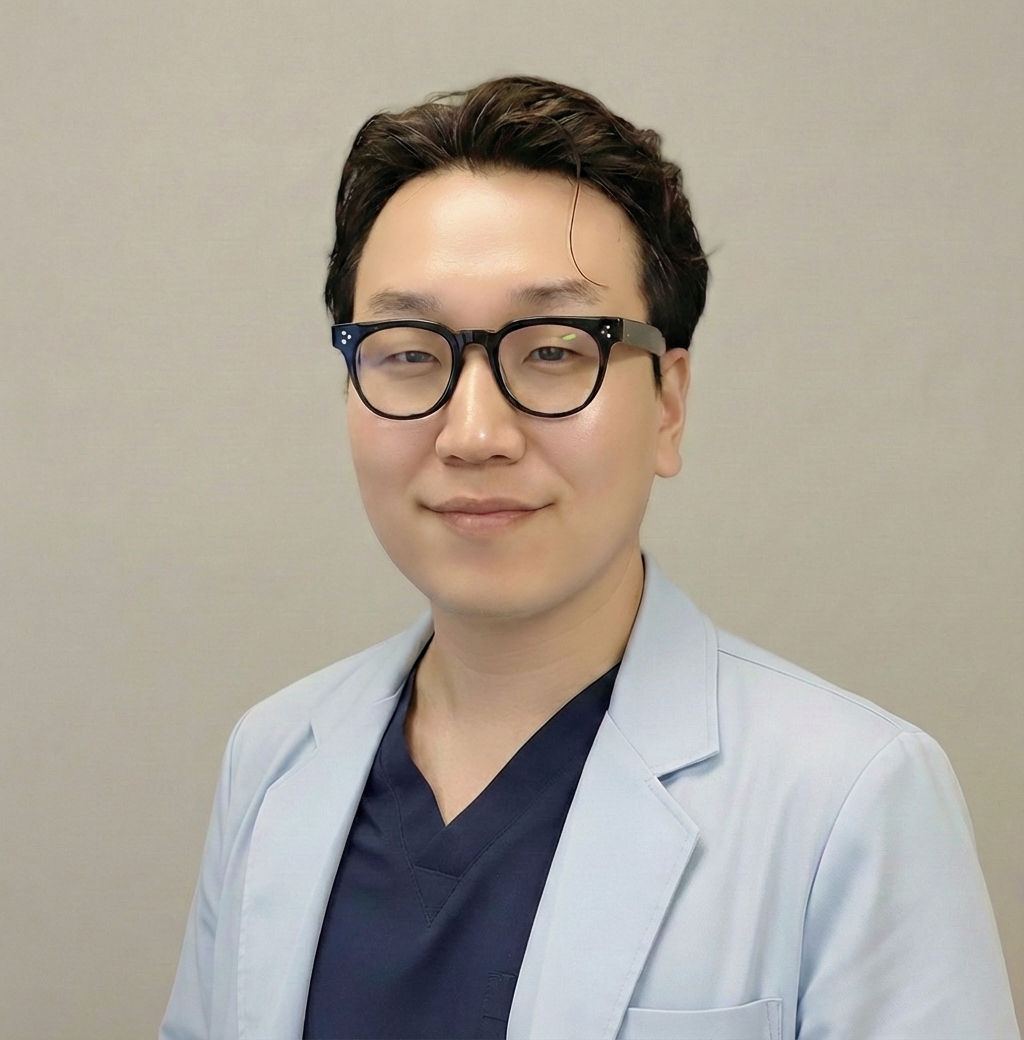
The director personally sees you from first to follow-up visits
We identify the essence through Sasang constitution, pulse and abdominal diagnosis
Treatment based on long clinical experience and evidence
Was this helpful? If you need accurate care for your condition, please contact us below.