
Q To wake myself up from the fog, I've been drinking more coffee and forcing myself to exercise, but I just get more exhausted. What's going wrong?
A Forcing alertness with caffeine and pushing through exercise can hinder long COVID recovery. In particular, if you have post-exertional malaise, forced exercise backfires, and pacing your activity is the priority.
Detailed Answer
During long COVID recovery, excess caffeine and overexertion can actually slow recovery. Caffeine only borrows alertness temporarily—it doesn't replenish underlying energy and disrupts sleep. If you have post-exertional malaise, where even light activity causes days of illness, forcing more exercise instead of pacing activity to your condition matters most. It also helps to reduce spicy or heavy foods that burden digestion during recovery.
Our Korean Medicine Clinic's Perspective
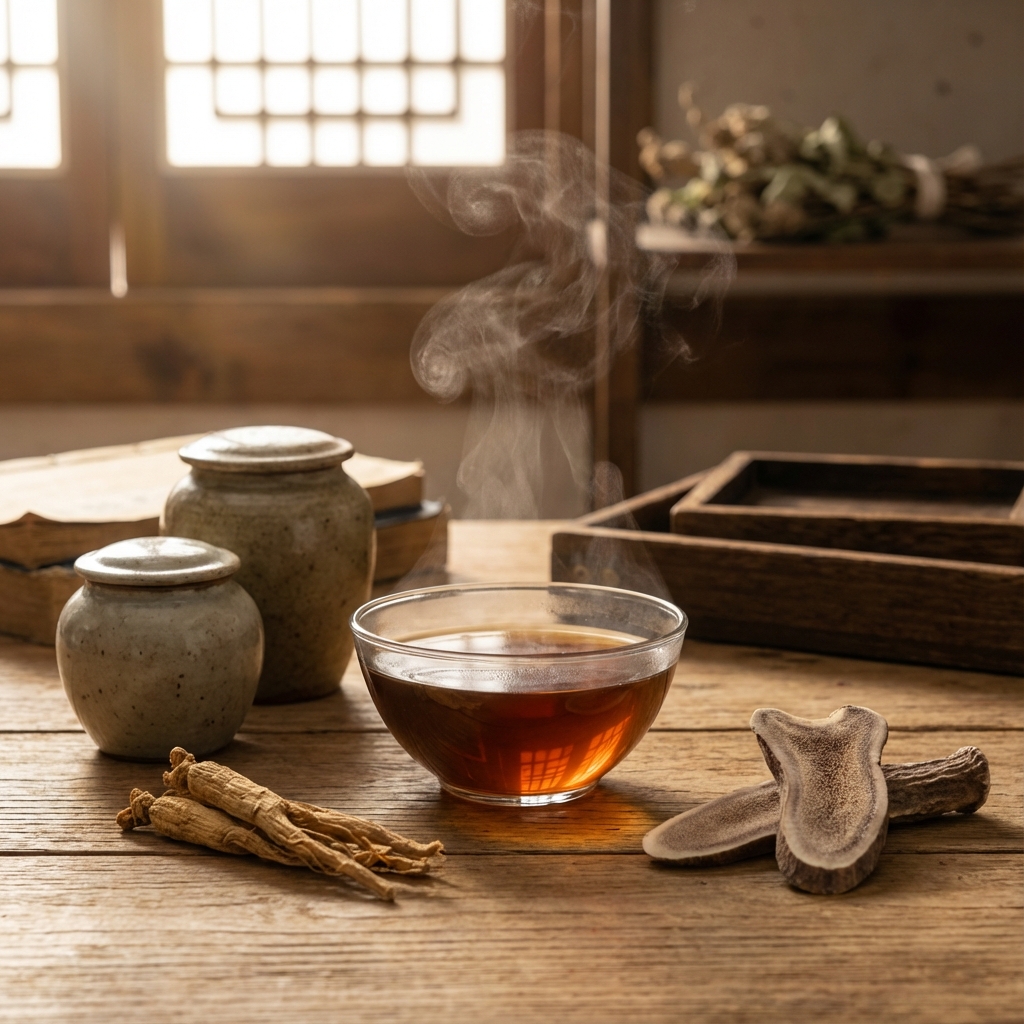
Dongjedang's treatment aims to turn a body that's been squeezed by caffeine and overexertion back into one that generates its own energy. By replenishing depleted energy and clearing remaining heat to restore deep sleep, recovery can settle in without relying on stimulants or overexertion.
Related FAQs
-
Q
If I get treated, can I really go back to how I was before COVID? Please be honest with me.
#Possibility / Realistic Goals
-
Q
Even tests can't pinpoint a clear cause—so how exactly does Korean medicine approach these after-effects?
#Possibility / Realistic Goals
-
Q
Along with the after-effects, I also have headaches, indigestion, anxiety, and heart palpitations. Can these improve together too?
#Comorbidities
-
Q
When I feel a bit better and become active, I end up bedridden for days right after. How should I manage my activity level?
#Lifestyle Management
-
Q
Since the after-effects, my sleep is light and I don't feel refreshed even after sleeping. How can I improve my sleep quality?
#Lifestyle Management