
Long COVID
Long COVID
We address lingering fatigue, brain fog, and heart palpitations after infection from the perspective of restoring qi and blood.
# Possibility / Realistic Goals (2)
Q If I get treated, can I really go back to how I was before COVID? Please be honest with me.
A. Many people recover close to their pre-infection state over time and with proper management, but the speed and extent of recovery vary from person to person. The goal of treatment is to reduce remaining symptoms and speed up recovery, raising you to a condition where you can go about daily life without strain.
View details →Q Even tests can't pinpoint a clear cause—so how exactly does Korean medicine approach these after-effects?
A. Rather than searching for a specific disease name, Korean medicine looks at what has been depleted and what remains in the body after infection, and where the balance has broken down. That's why it can offer an approach tailored to your condition even for after-effects that tests can't clearly identify.
View details →# Comorbidities (1)
# Lifestyle Management (2)
Q When I feel a bit better and become active, I end up bedridden for days right after. How should I manage my activity level?
A. In long COVID, crashing hard after even light activity—known as post-exertional malaise—is common. Rather than using up all your energy on a good day, the key is pacing: dividing activity and rest within your energy limits.
View details →Q Since the after-effects, my sleep is light and I don't feel refreshed even after sleeping. How can I improve my sleep quality?
A. Regularity and quality matter more than sleep duration. Going to bed and waking up at the same time every day, and avoiding overexertion during the day plus smartphones and caffeine before bed, brings you closer to truly restorative sleep.
View details →# Safety (2)
Q I sometimes have chest pain and get very short of breath. Should I just chalk it up to after-effects, or are there warning signs?
A. If you have chest pain, severe shortness of breath, fainting, or swelling and pain in one leg, don't dismiss it as an after-effect—seek emergency care immediately. These can signal dangerous complications such as myocarditis or blood clots that must be ruled out.
View details →Q If I take energy-boosting herbal medicine for a long time, will I build up tolerance or will it accumulate in my body?
A. Herbal medicine prescribed to match your constitution and condition doesn't build tolerance or accumulate in the body. However, since your condition keeps changing as you recover, it's safest to take it while adjusting the prescription through regular visits.
View details →# Drug Combination / Interactions (1)
# Prognosis / Recovery (2)
Q How long after starting treatment can I expect to feel this foggy, exhausted state improve?
A. Mild after-effects often show change within a few weeks, while cases that have lingered longer usually need at least 2-3 months of consistent care to stabilize. Recovery speed depends on how deep the depletion is and on your activity and sleep habits.
View details →Q I'm an office worker in my 40s and the after-effects have lasted more than six months. Is recovery possible even when it's been this long?
A. Even long-lasting after-effects can improve substantially, but rather than ending quickly, they need step-by-step management. Replenishing depleted qi and blood, clearing remaining symptoms, and adjusting activity often bring people close to their previous condition.
View details →# Causes Explained (2)
Q It's been months since I recovered from COVID, but I'm still tired and my head feels foggy. Is this a lingering after-effect?
A. Fatigue, brain fog, worsening after exertion, loss of smell/taste, heart palpitations, shortness of breath, and sleep problems that persist from 4 weeks to several months after a COVID infection are called long COVID. The infection is over, but the body hasn't fully recovered yet.
View details →Q I'm in my 30s and had a mild case of COVID. So why are the after-effects lasting this long?
A. Long COVID can remain even in people who had a mild infection, and recovery speed varies greatly depending on innate constitution and the level of depletion built up beforehand. If your condition was already worn down at the time of infection, or you pushed yourself too hard during recovery, the after-effects can drag on longer.
View details →# Food / Triggers (2)
Q To wake myself up from the fog, I've been drinking more coffee and forcing myself to exercise, but I just get more exhausted. What's going wrong?
A. Forcing alertness with caffeine and pushing through exercise can hinder long COVID recovery. In particular, if you have post-exertional malaise, forced exercise backfires, and pacing your activity is the priority.
View details →Q I have no appetite and my digestion isn't what it used to be, so I end up eating carelessly. Do these eating habits slow down recovery?
A. If you leave reduced appetite and weakened digestion untreated and eat poorly, the raw materials for recovery run short. Regularly getting protein and vegetables, even in easy-to-digest forms, is the foundation of recovery.
View details →# Treatment Schedule (1)
# Treatment Stages (1)
# Effectiveness (2)
Q I heard long COVID gets better with time, so is there really a reason to get herbal medicine treatment?
A. In many cases it gradually improves over time, but for those whose recovery is slow or whose daily life is affected, treatment that replenishes depleted qi and blood and eases remaining symptoms can help recovery. It works best alongside managing your activity level to avoid overexertion.
View details →Q My heart and lung tests came back completely normal, but I'm still short of breath, my heart races, and I feel foggy. Can Korean medicine help with after-effects that don't show up on tests?
A. It's common in long COVID for tests to be normal while symptoms remain. Such symptoms, which come more from imbalances in the autonomic nervous system, circulation, and energy rather than structural problems, are an area where Korean medicine treatment that regulates the body's overall balance tends to be effective.
View details →Long COVID is not just a simple symptom
Korean medicine that considers both your constitution and lifestyle rhythm treats the root cause.
From consultation to precise treatment, we provide personalized care.
Prescriptions tailored to your constitution and symptoms treat the root cause
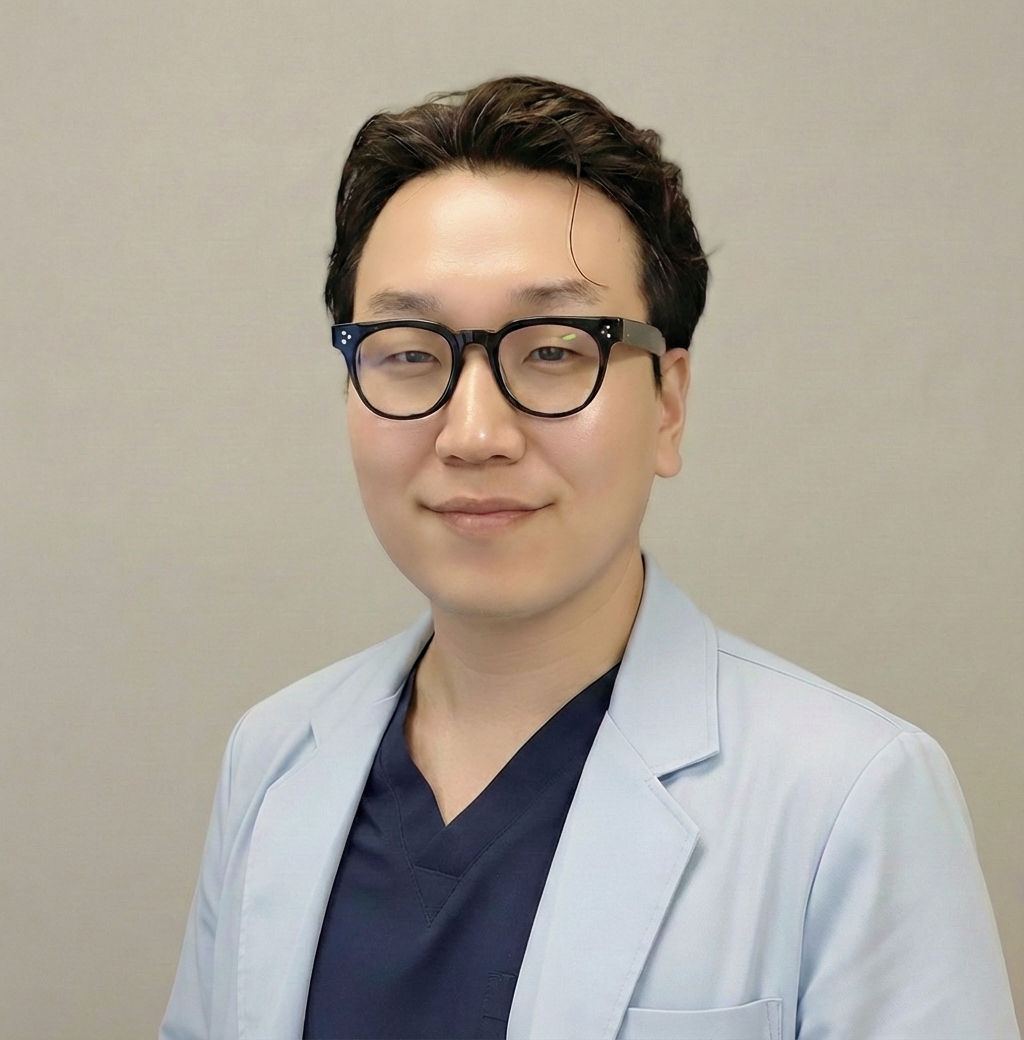
The director personally sees you from first to follow-up visits
We identify the essence through Sasang constitution, pulse and abdominal diagnosis
Treatment based on long clinical experience and evidence
Was this helpful? If you need accurate care for your condition, please contact us below.