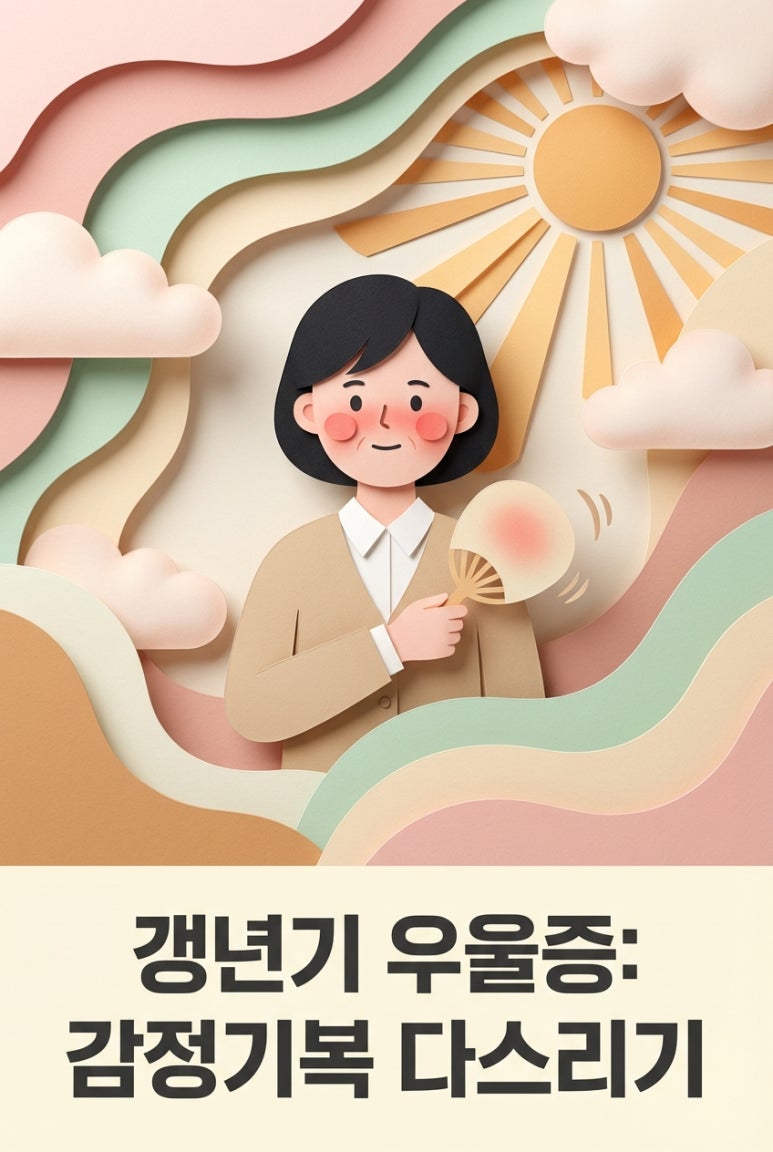
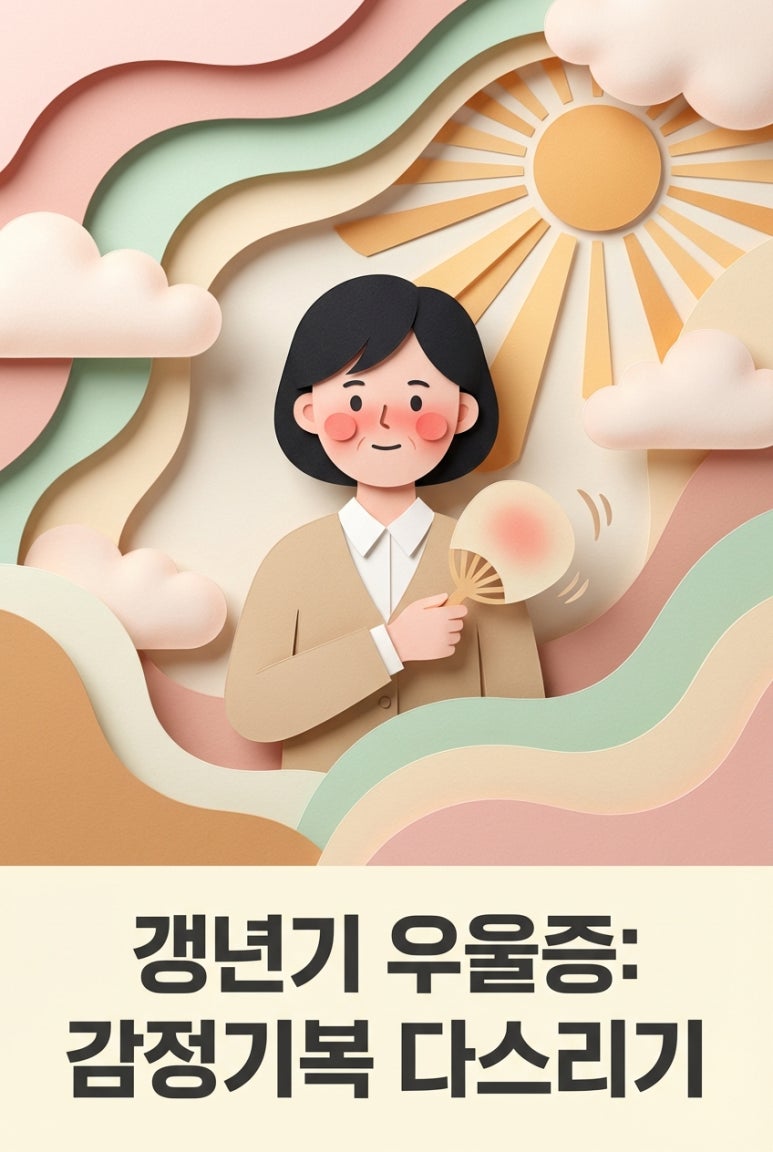
Menopausal Depression and Emotional Fluctuations - The Impact of Bodily Changes on the Mind

 🧾 Answer First | Key Conclusion
The depression and emotional fluctuations experienced during menopause are a natural part of bodily changes.
You can definitely overcome this by understanding and managing it well.
I see many people struggling during this period in my clinical practice.
I want to encourage them.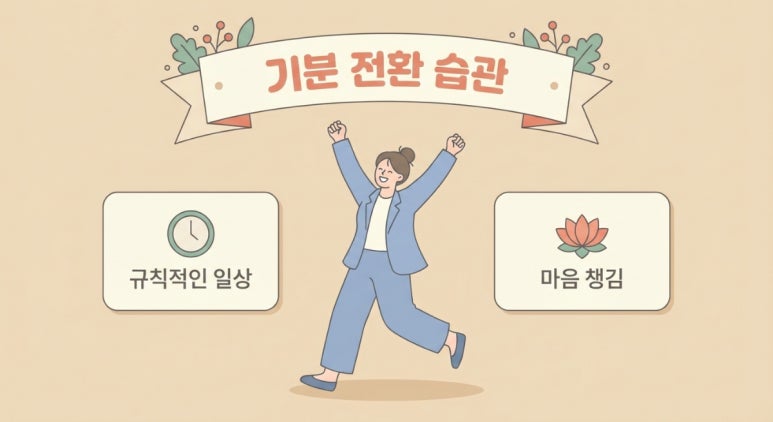 ✅ Action | Immediate Practice
I will share three actions to manage emotional fluctuations during menopause.
Start right now.
1️⃣ Maintain a Regular Routine
It is important to go to bed and wake up at similar times each day.
This stabilizes your body's circadian rhythm and helps with emotional regulation.
2️⃣ Light Aerobic Exercise
A 30-minute walk or stretching daily is good for mood improvement.
It is also very beneficial for your body's vitality.
When you move your body, your mind becomes lighter as well.
3️⃣ Mindfulness Practice
Try to manage your anxious feelings through 5 minutes of daily meditation or deep breathing.
It is good to take time to pause and reflect on yourself.
 🚨 Warning | Critical Warning Signs to Check
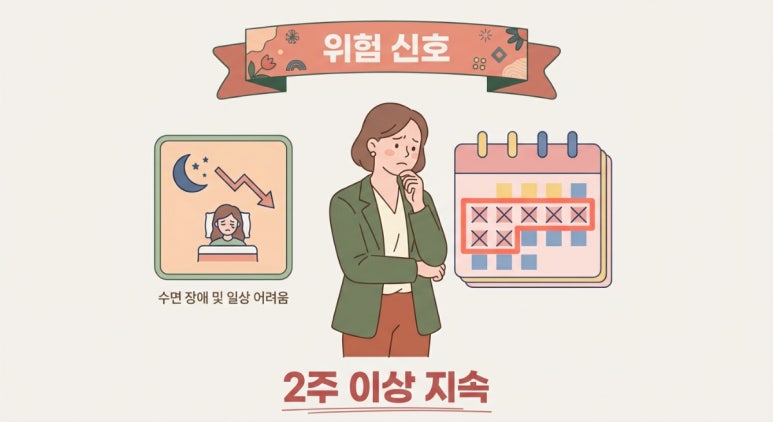
If these emotional changes persist for more than 2 weeks, caution is needed.
Emotions that are difficult to bear alone may be a signal of illness.
Do not delay and consult with a Korean medicine doctor or physician.
✔ Persistent Emotional Changes
If these emotional changes persist for more than 2 weeks, caution is needed.
✔ Difficulties in Daily Life
Sleep disorders and loss of appetite can cause serious disruption to daily life.
✔ Extreme Thoughts
If you experience extreme thoughts, immediate professional help is necessary.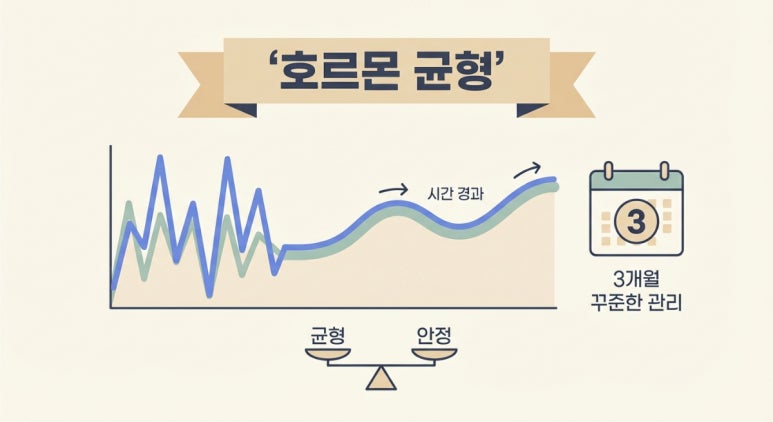 🧠 The Why
During menopause, the secretion of the female hormone estrogen decreases sharply [2].
This hormone is important in regulating our mood, sleep, and cognitive function.
When estrogen decreases, the balance of mood-regulating substances like serotonin is disrupted [1].
This causes emotional fluctuations to intensify.
In severe cases, it can lead to depression or anxiety.
In addition to physical changes, there are changes in social roles.
Psychological factors such as children's independence also play a role.
These complex changes affect our minds.
Many people I see in my clinical practice experience these changes.
However, with improved lifestyle habits and professional help, it is definitely possible to overcome.
 🔚 Closing | Summary and Encouragement
Menopausal depression and emotional fluctuations are a natural process
that every woman experiences at some point.
With wise management, you can continue a healthy life.
We will help make your menopause a comfortable and happy time.
Dongjjedang Korean Medicine Clinic will always be with you.
✍️ Reviewed by Director Choi Jang-hyuk of Dongjjedang Korean Medicine Clinic
❓ FAQ
Q. Is menopausal depression different from general depression?
Yes, menopausal depression is often accompanied by a specific cause: hormonal changes in the body.
The symptoms may be similar to general depression.
Menopausal symptoms such as facial flushing, insomnia, and joint pain may also appear together.
It is important to understand the exact cause through consultation with a professional.
Q. Are there ways to manage emotional fluctuations during menopause other than hormone therapy?
Yes, apart from hormone therapy, you can manage it sufficiently through lifestyle improvements and Korean medicine treatment.
Regular meals, exercise, and adequate sleep are basics.
Korean medicine treats based on constitution and symptoms.
Acupuncture, moxibustion, and herbal medicine balance the body.
This helps reduce emotional fluctuations.
Q. How does Korean medicine view and treat menopausal depression and emotional fluctuations?
In Korean medicine, menopause is viewed as a period when the kidneys' vital energy weakens and the balance of the five organs and six bowels is disrupted.
We look at the entire body beyond mood improvement.
We help the circulation of qi and blood and supplement weakened organs.
Through stabilization of the autonomic nervous system, we fundamentally improve emotional fluctuations and depression [4].
📚 References
Western Medicine WM
[1] Mayo Clinic 2023. Menopause and depression: Is there a link?
[2] National Institute on Aging 2022. What Is Menopause?
Korean Medicine KM
[3] Journal of Korean Medicine 2020. Research Trends in Korean Medicine Treatment of Menopausal Syndrome
[4] NIKOM 2019.
Women's Health
Menopausal Depression and Emotional Fluctuations - The Impact of Bodily Changes on the Mind
View Program