
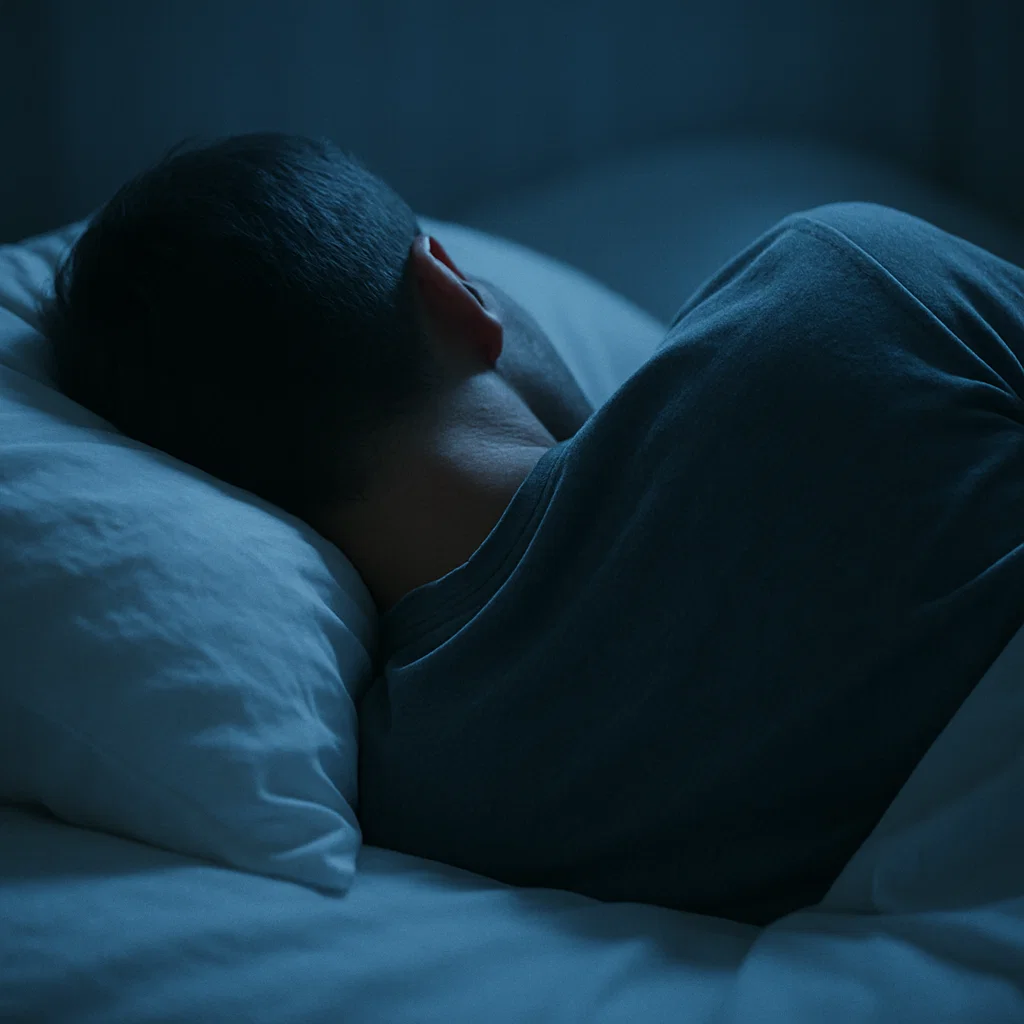

Q I work night delivery shifts in the Dong-incheon area, and my day and night are completely reversed. How harmful is this for the autonomic nervous system?
A Night shift work disrupts the circadian rhythm, fundamentally destabilizing autonomic nervous balance. Abnormal melatonin secretion, reversed cortisol rhythms, and chronic sleep deprivation interact in complex ways, potentially causing simultaneous palpitations, indigestion, and weakened immunity.
Detailed Answer
Light and sleep are the key regulators of autonomic nervous rhythm. Night shifts force wakefulness at the time melatonin should be released, and daytime sleep is of poor quality, providing insufficient recovery. When this continues for months, the parasympathetic recovery capacity diminishes, causing symptoms to flare with even minor stress.
Korean Medicine Clinic Perspective
In Korean medicine, nighttime activity is viewed as a lifestyle that consumes Yin energy (陰氣). When Yin energy is depleted, Deficient Heat (虛熱) arises, causing night sweats, heat sensations during sleep, and irregular heartbeat. We combine formulas that replenish Yin energy with sleep hygiene guidance — making the sleeping environment as dark and quiet as possible.
Related FAQs
-
Q
I've had symptoms for 3 years. Can Korean medicine treatment still help at this point? Has it been too long?
#Possibility / Realistic Goals
-
Q
I'm a woman in my mid-40s and I can't tell if it's menopause or autonomic nervous dysfunction. Can it be both?
#Possibility / Realistic Goals
-
Q
I have autonomic nervous dysfunction symptoms along with poor digestion and irritable bowel symptoms. Are the two related?
#Comorbidities
-
Q
Can autonomic nervous dysfunction, anxiety disorder, and panic disorder occur together? Which should be treated first?
#Comorbidities
-
Q
Are there lifestyle management strategies to stabilize the autonomic nervous system on my own? Do exercise or breathing techniques help?
#Lifestyle Management