
Q I am an office worker in my 40s. I have to stand all day at work after a gastrocnemius injury. How should I manage this?
A Since standing for long periods places a continuous load on the recovering gastrocnemius, it is necessary to take a 5-minute break every hour to sit and elevate your legs. Calf compression stockings (15–20 mmHg) help prevent swelling and improve blood circulation, and wearing comfortable athletic shoes with a heel height of 2–3 cm can reduce stress on the gastrocnemius. If pain worsens, stop working immediately, apply a cold compress, and visit a doctor.
Detailed Answer
Standing upright after an injury requires continuous isometric contraction of the gastrocnemius. The key management principles are: ① Maintaining the POLICE principle (protection and appropriate load) ② Improving venous return by wearing calf compression stockings ③ Wearing cushioned shoes + preventing heel lift ④ Performing intermittent ankle pumping exercises (raising and lowering the toes) during work. If the pain NRS is 4 or higher, avoid additional load and apply a cold compress (15–20 minutes, using a towel).
Korean Medicine Clinic Perspective
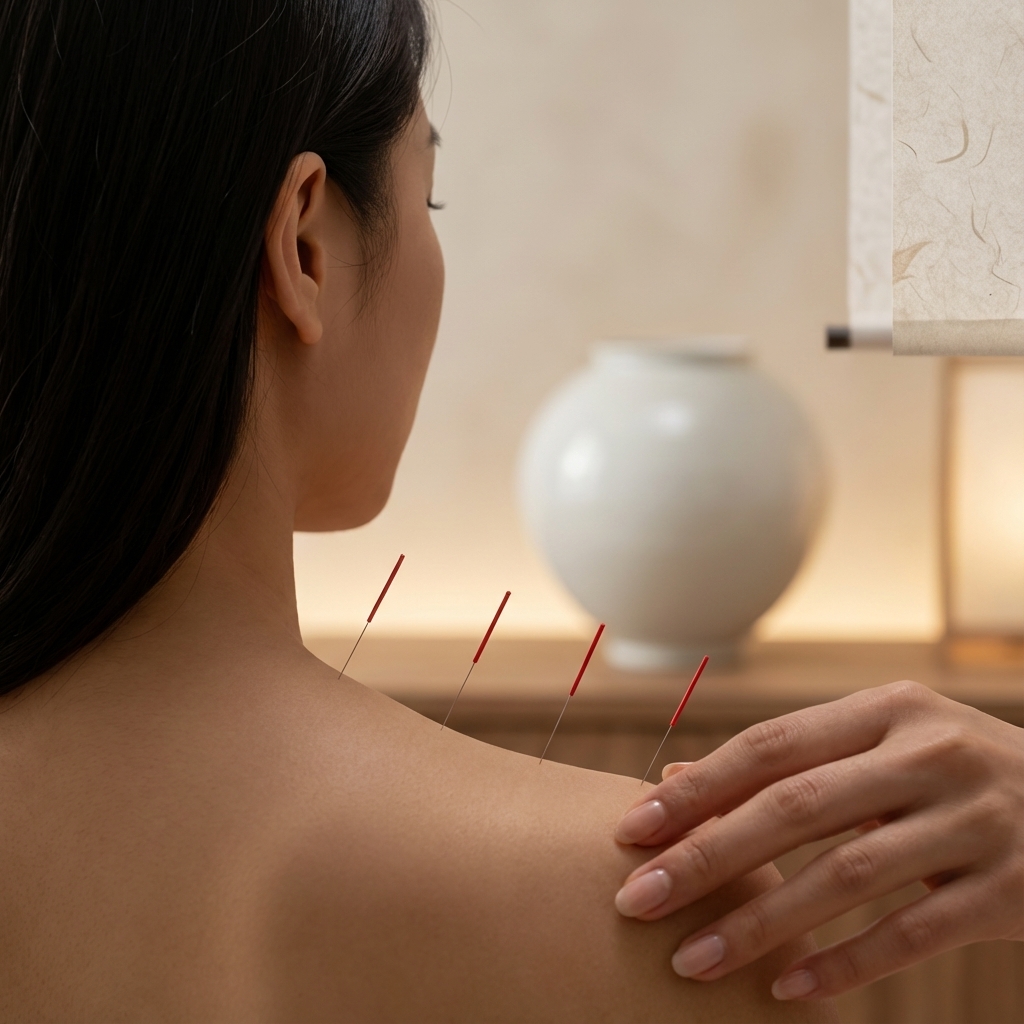
In Korean medicine, standing for long periods is a typical situation where the energy of the organs responsible for digestion and absorption is depleted, and dampness becomes stagnant in the lower extremities. When the energy of these organs weakens, the calf muscles lose their ability to recover from fatigue. At Dongjedang, we treat office workers who visit after work to restore the circulation of meridians in the lower extremities using acupuncture and moxibustion, and build muscle tolerance to endure standing for long periods through prescriptions that reinforce digestive and absorption functions.
Related FAQs
-
Q
I am a woman in my 50s who enjoys hiking. Is it possible to completely prevent a calf muscle injury from recurring?
#Possibility / Realistic Goals
-
Q
I am an elderly male in my 70s. Can a gastrocnemius muscle injury be fully recovered through Korean medicine treatment, even at my advanced age?
#Possibility / Realistic Goals
-
Q
I am a diabetic patient in my 40s. I have heard that recovery from gastrocnemius muscle injuries is more difficult with diabetes. In what ways is it dangerous, and how should I manage it?
#Comorbidities
-
Q
I am a male marathon enthusiast in my 30s. When and how can I safely resume running after a calf muscle injury?
#Lifestyle Management
-
Q
I am a pregnant woman in my 30s. I have sustained a gastrocnemius muscle injury; is it safe to receive acupuncture or herbal medicine?
#Safety