
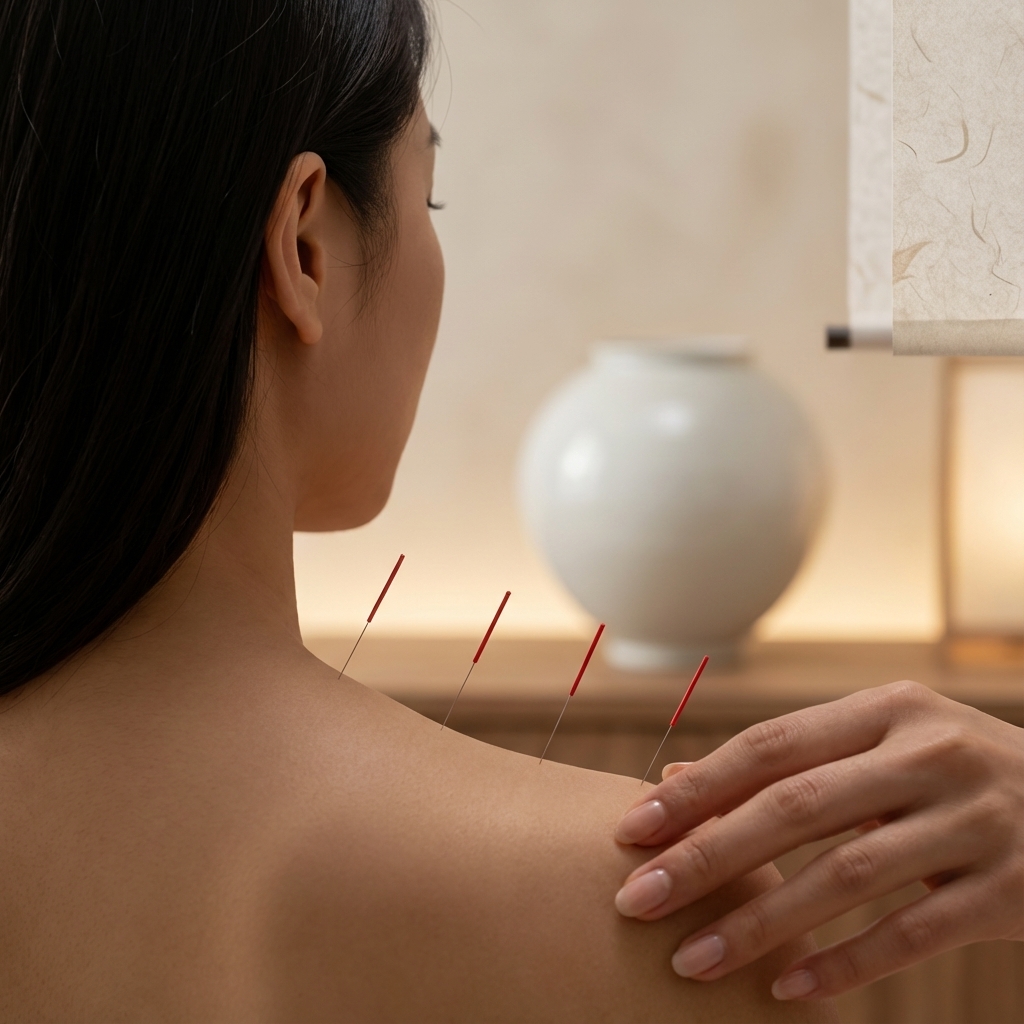

Q I am a 36-year-old office worker commuting near Dongincheon Station. How often and how many times do I usually need to visit for chronic lower back pain treatment? I am wondering if this schedule is feasible while working.
A It is generally recommended to visit twice a week during the intensive treatment phase, once a week once the pain subsides, and then gradually reduce the frequency to management sessions every other week to once a month. Since each treatment session takes approximately 30 to 50 minutes, it can be easily managed during lunch breaks or after work. During the initial consultation, the severity of the pain is assessed to create a treatment plan that fits your work schedule.
Detailed Answer
Clinical studies on acupuncture for chronic lower back pain generally define a treatment course as 1 to 2 sessions per week, totaling 8 to 12 sessions; cumulative effects are well observed at this frequency. If the treatment intervals are too wide, the effects do not accumulate, but once the pain stabilizes, the effectiveness is maintained even if the intervals are extended. For office workers, it is realistic to schedule two appointments per week for the first four weeks and then switch to once a week; furthermore, self-exercising on non-treatment days is the best way to reduce the frequency of outpatient visits. From a Korean medicine perspective, the frequency of treatment varies depending on the differential diagnosis. If the condition is primarily characterized by Qi stagnation and blood stasis, it is important to frequently facilitate circulation and open the flow in the early stages. However, if the underlying condition is kidney deficiency, the time spent replenishing the body with herbal medicine is more critical than the frequency of external treatments, resulting in a relatively lower burden of outpatient visits. Dongjedang designs the schedule by assessing this balance through ultrasound and differential diagnosis during the initial consultation. External treatments begin with acupuncture and apply moxibustion, thread embedding, and pharmacopuncture in stages as needed. By utilizing procedures like thread embedding, which provide effects lasting for several weeks, even busy office workers can maintain treatment continuity while extending the intervals between visits. Once pain is relieved, we transition to a management phase centered on herbal medicine to clear blood stasis and dampness and correct the constitution, operating with a structure that reduces hospital visits while preventing recurrence.
Related FAQs
-
Q
I am a 58-year-old male. I have been advised to have spinal surgery, but I am scared and hesitant. In what cases is it possible to manage the condition with Korean medicine treatment without surgery?
#Possibility / Realistic Goals
-
Q
I am a 67-year-old woman who has had back pain for 20 years. At this age, can such long-standing pain be treated and improved? Is it too late?
#Possibility / Realistic Goals
-
Q
I am a 45-year-old female academy instructor. I have chronic lower back pain and numbness in my legs. As the pain has persisted, I have also developed depression and insomnia. Do you address these issues as well?
#Comorbidities
-
Q
I am a 52-year-old male civil servant. There is conflicting information regarding whether walking or swimming is good for the back; what exercise is actually helpful for chronic lower back pain?
#Lifestyle Management
-
Q
I am a 40-year-old female nurse. My lower back hurts the most when I wake up. Do sleeping positions or mattresses affect chronic lower back pain? How should I sleep?
#Lifestyle Management