

Q I am a 45-year-old female academy instructor. I have chronic lower back pain and numbness in my legs. As the pain has persisted, I have also developed depression and insomnia. Do you address these issues as well?
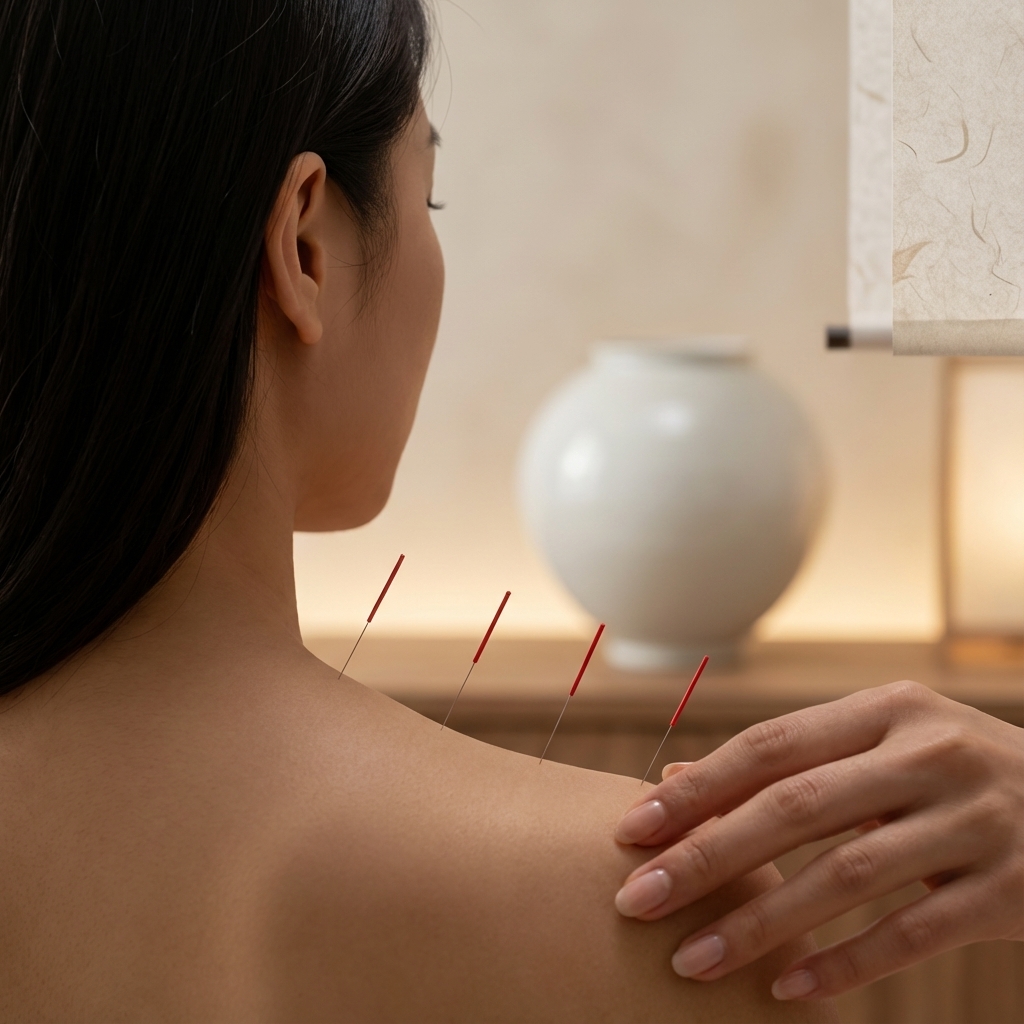
A Yes, it is standard practice to treat them together. Leg numbness can be caused by nerve compression or referred pain from the gluteal muscles, so differentiation is necessary. Furthermore, chronic pain, depression, and insomnia are in a vicious cycle that exacerbates each other, so treating only the pain leads to a slow recovery. Acupuncture acts on both pain and sleep/emotional issues, while herbal medicine can help manage insomnia and emotional symptoms simultaneously.
Detailed Answer
A significant number of patients with chronic lower back pain suffer from accompanying depression, anxiety, and sleep disorders; these are not merely psychological reactions but biological factors that amplify pain signals. Sleep deprivation lowers the pain threshold, and depression weakens the descending pain suppression system, making the same stimuli feel more painful. Leg numbness can be caused by piriformis syndrome or referred pain from gluteal trigger points, in addition to lumbar nerve root compression, so a neurological examination is required to differentiate the cause and determine the correct course of treatment. Multidimensional treatment that addresses pain, sleep, and emotions together is the standard for chronic pain management. Perspective of a Korean Medicine Clinic: Korean medicine does not separate these three aspects from the outset. When pain persists, Qi becomes stagnant; this stagnation obstructs the liver's function of dispersing energy, suppressing emotions; and when liver Qi stagnation transforms into fire, it shakes the mind and body, leading to insomnia. Leg numbness is viewed as a symptom of blocked Qi and blood along the meridians extending from the lower back to the legs, and is therefore treated as part of the same framework as lower back treatment. Dongjedang's approach involves external treatment using acupuncture, moxibustion, and pharmacopuncture to unblock the meridians of the lower back and buttocks, while internal treatment involves designing a customized herbal medicine that clears blood stasis and dampness to promote the circulation of liver Qi and stabilize the mind and body. I believe that restoring pain, numbness, insomnia, and depression from a single root—namely, blood and energy circulation and organ function—rather than treating them as separate issues, is the difference from treatments that merely address localized symptoms, and it is the path to a recovery without recurrence.
Related FAQs
-
Q
I am a 58-year-old male. I have been advised to have spinal surgery, but I am scared and hesitant. In what cases is it possible to manage the condition with Korean medicine treatment without surgery?
#Possibility / Realistic Goals
-
Q
I am a 67-year-old woman who has had back pain for 20 years. At this age, can such long-standing pain be treated and improved? Is it too late?
#Possibility / Realistic Goals
-
Q
I am a 52-year-old male civil servant. There is conflicting information regarding whether walking or swimming is good for the back; what exercise is actually helpful for chronic lower back pain?
#Lifestyle Management
-
Q
I am a 40-year-old female nurse. My lower back hurts the most when I wake up. Do sleeping positions or mattresses affect chronic lower back pain? How should I sleep?
#Lifestyle Management
-
Q
I am a 60-year-old woman. I have heard that treatments like moxibustion or bee venom therapy are effective, but aren't they dangerous? I have diabetes, so I am worried about whether it is safe for me to receive them.
#Safety