

Q I am a 40-year-old female nurse. My lower back hurts the most when I wake up. Do sleeping positions or mattresses affect chronic lower back pain? How should I sleep?
A Yes, they do have an effect. A mattress that sinks too deeply disrupts lumbar alignment, and sleeping on your stomach hyperextends the lower back, worsening morning pain. It is recommended to sleep on a medium-firm mattress while lying on your side with a pillow between your knees, or lying on your back with a pillow under your knees.
Detailed Answer
Since the discs reabsorb moisture during sleep and become most swollen in the morning, pain and stiffness immediately after waking up are common symptoms of chronic lower back pain. Studies have shown that medium-firm mattresses are more beneficial for improving back pain than those that are too firm or too soft. Regarding posture, it is best to lie on your side with your knees slightly bent and a pillow between them, or lie on your back with a pillow under your knees to maintain a neutral lumbar lordosis. Avoid lying face down, and refrain from deep bending movements for one hour immediately after waking up.
Korean Medicine Clinic Perspective
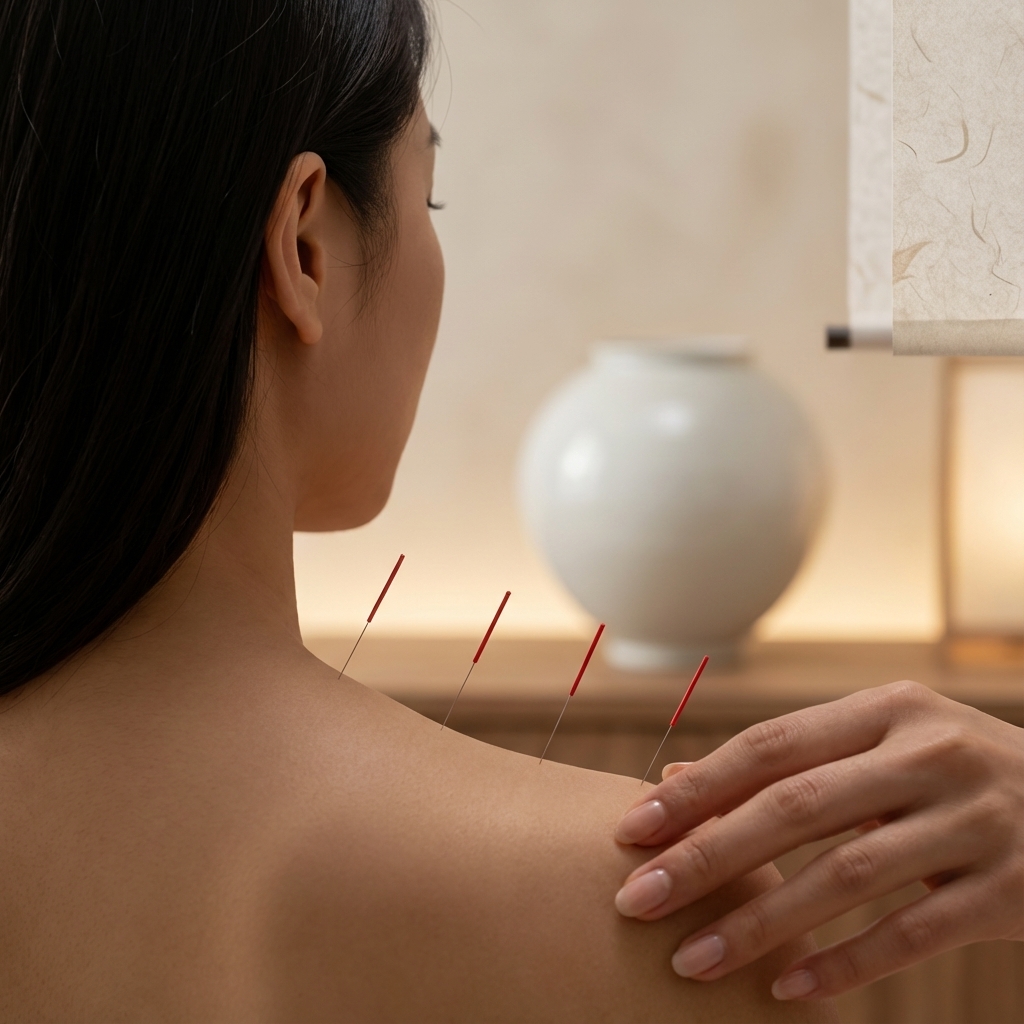
In Korean medicine, night is the time when blood returns to the liver to nourish muscles and ligaments. If sleep is disrupted by shift work, the blood energy of the liver fails to adequately nourish the fascia and ligaments, resulting in morning stiffness and pain that persist even after sleeping. This is why kidney deficiency and liver blood deficiency are common diagnoses of lower back pain in those who frequently work night shifts. Dongjedang employs an approach that enhances recovery power during sleep through external treatment—releasing hardened fascia with acupuncture and moxibustion and aiding regeneration of weakened ligaments with thread embedding and fire acupuncture—combined with constitution-tailored herbal medicine that replenishes the energy of the liver and kidneys and clears away accumulated fatigue toxins and blood stasis. We also guide you on correcting your sleeping posture as a fundamental technique to preserve the effectiveness of these treatments.
Related FAQs
-
Q
I am a 58-year-old male. I have been advised to have spinal surgery, but I am scared and hesitant. In what cases is it possible to manage the condition with Korean medicine treatment without surgery?
#Possibility / Realistic Goals
-
Q
I am a 67-year-old woman who has had back pain for 20 years. At this age, can such long-standing pain be treated and improved? Is it too late?
#Possibility / Realistic Goals
-
Q
I am a 45-year-old female academy instructor. I have chronic lower back pain and numbness in my legs. As the pain has persisted, I have also developed depression and insomnia. Do you address these issues as well?
#Comorbidities
-
Q
I am a 52-year-old male civil servant. There is conflicting information regarding whether walking or swimming is good for the back; what exercise is actually helpful for chronic lower back pain?
#Lifestyle Management
-
Q
I am a 60-year-old woman. I have heard that treatments like moxibustion or bee venom therapy are effective, but aren't they dangerous? I have diabetes, so I am worried about whether it is safe for me to receive them.
#Safety