
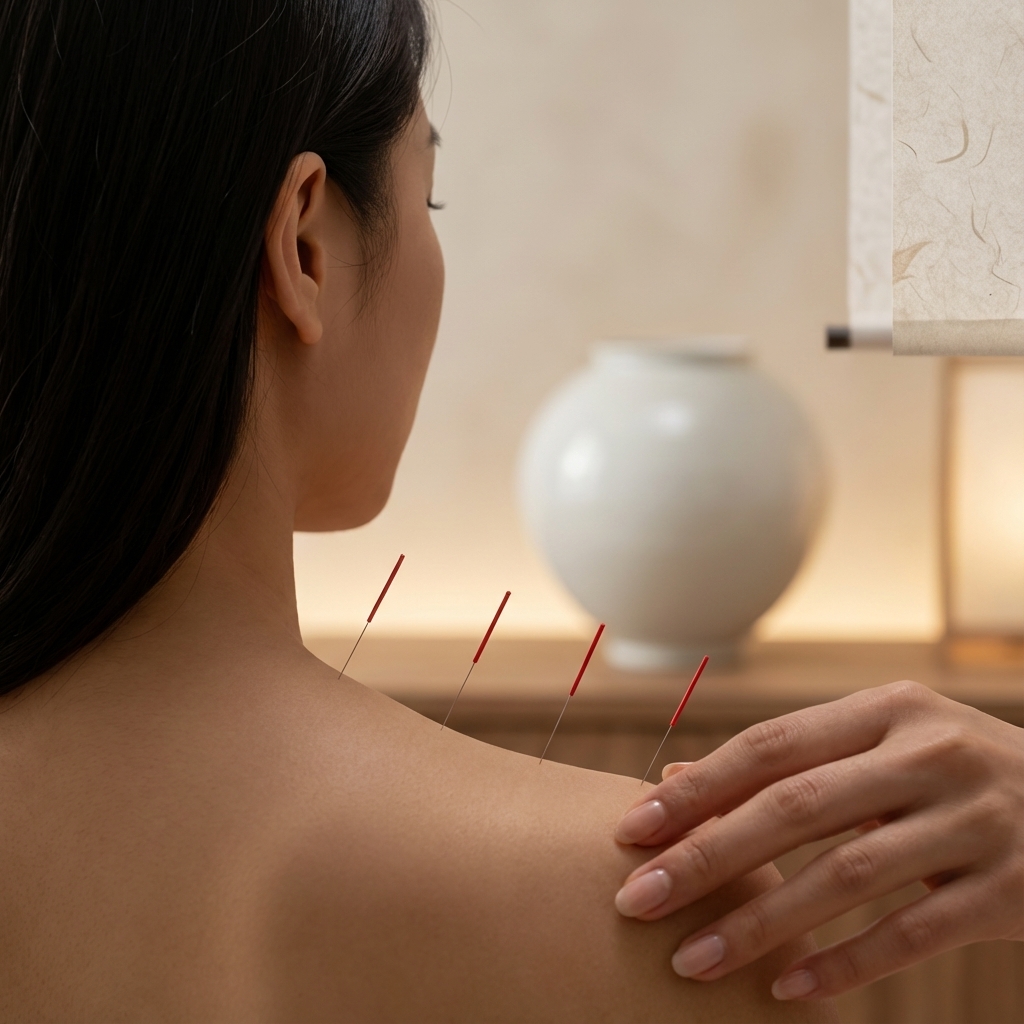

Q I am a housewife past my 60th birthday. My inner knee aches every time I go down stairs. Is this because my cartilage is wearing down with age?
A Yes, the aching pain on the inner knee when going down stairs is a typical early symptom of degenerative osteoarthritis of the knee. As the cartilage wears down, its shock-absorbing function decreases, and as the medial joint space narrows, pain intensifies when bearing weight. However, since weakening of surrounding ligaments and muscles, as well as inflammation, also play a role in addition to cartilage wear, early management can slow down the progression.
Detailed Answer
Degenerative osteoarthritis of the knee (knee osteoarthritis) is a disease in which joint cartilage gradually wears down, accompanied by changes in the subchondral bone, the formation of osteophytes, and synovial inflammation. In particular, due to sedentary lifestyles and habits of squatting, wear on the medial compartment is common among Korean women, making inner knee pain more pronounced when going down stairs or standing up. Although cartilage itself lacks nerves, pain arises as inflammation and stress are applied to the subchondral bone, synovial membrane, and surrounding ligaments. From the Perspective of a Korean Medicine Clinic, the knee is a region governed by both the kidneys and the liver. Kidney energy determines the firmness of bones and cartilage, while liver energy supplies nutrients to the muscles and ligaments that support the knee. When kidney energy weakens with age, and wind, cold, or dampness invades the joints, aching and heaviness occur. Clinically, approaches are categorized based on cases where bones are soft due to weak kidney energy, where dampness has accumulated due to decreased spleen and stomach function, or where there are chronic circulatory disorders. At Dongjedang, we aim to create a condition with a low recurrence rate rather than merely treating localized pain. This is achieved by first checking the condition of ligaments and tendons around the joint using ultrasound, followed by a step-by-step external treatment that releases adhesions and strengthens ligaments using acupuncture and moxibustion; internally, we clear away dampness and blood stasis accumulated in the joints and nourish the liver and kidneys with herbal medicine tailored to the patient's constitution.
Related FAQs
-
Q
I am a 70-year-old who has been advised to have artificial joint surgery but is putting it off out of fear. Is it realistically possible to avoid surgery at this age through Korean traditional medicine treatment?
#Possibility / Realistic Goals
-
Q
I am a 65-year-old retired teacher whose only joy was hiking. I stopped hiking after being diagnosed with knee arthritis; will I be able to hike again if I receive treatment?
#Possibility / Realistic Goals
-
Q
I am a 62-year-old who has had knee pain for about a year, and recently my lower back has also started hurting. Is there a connection between the pain in my knee and my lower back?
#Comorbidities
-
Q
I am a 67-year-old wondering if I can continue walking even though my knees hurt. Should I rest when it hurts, or should I still walk?
#Lifestyle Management
-
Q
I am a 63-year-old housewife concerned about cold knees. I plan to apply compresses at home; which is better, cold or hot? Is it okay to continue wearing a knee brace?
#Lifestyle Management