
Q I am a self-employed individual in my 50s. After the accident, I received medication and physical therapy at an orthopedic clinic, but it has been a month and I am still in the same condition. Is Korean traditional medicine really effective?
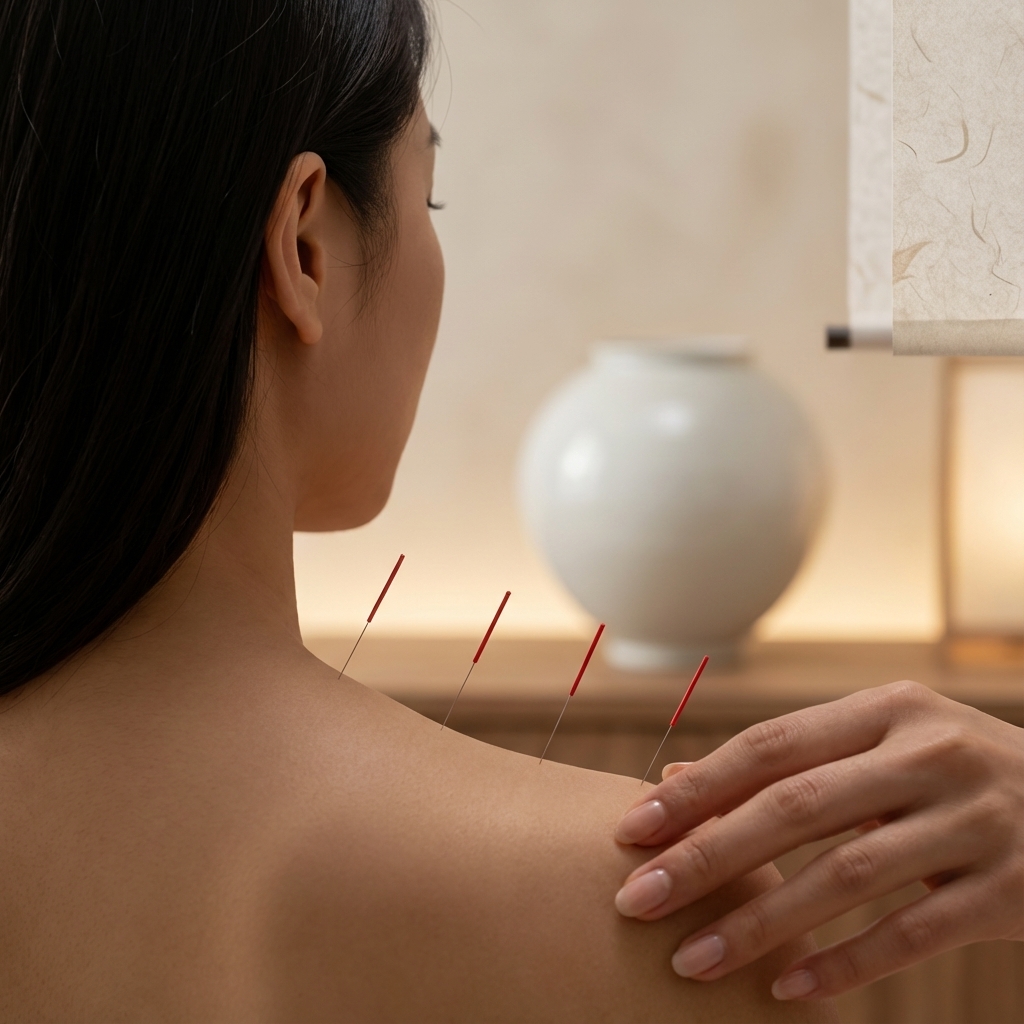
A Since the core of whiplash injuries involves damage to soft tissues such as muscles and ligaments, recovery is often slow with medication and heat therapy alone. Studies have reported that acupuncture and pharmacopuncture are effective in increasing blood flow to the injured area and reducing pain signals; in particular, they play a role in releasing adhesions and aiding tissue recovery when the condition progresses to a chronic stage.
Detailed Answer
The standard treatment for whiplash injuries is pain relievers, anti-inflammatory drugs, physical therapy, and early exercise, but 20 to 40 percent of patients follow a chronic course where pain persists for more than three months. This is because medication only reduces pain and inflammation; it does not promote the recovery of the damaged ligaments or joint capsules themselves. Mechanisms of acupuncture treatment have been reported to include increased local blood flow, muscle tension relief, and activation of the descending pain suppression system. Additionally, domestic clinical studies have shown significant improvements in pain and function when combined with Korean medicine treatments in patients injured in traffic accidents. From a Korean medicine perspective, a condition that remains unchanged for a month is viewed as having progressed to a stage where muscles and meridians harden, blocking the flow of Qi and blood, while initial stagnant blood has not yet dissolved. Based on the principle that blockage causes pain, treatment to actively unblock these obstacles is necessary at this stage. At Dongjedang, we perform ultrasound-guided, stepwise external treatments. After assessing the response to acupuncture, if hardened adhesions are palpable, we separate them and strengthen ligaments using needle acupuncture. For tissues with slow recovery, we promote regeneration using fire acupuncture and thread embedding. During the inflammatory stage, we add anti-inflammatory effects using bee venom acupuncture and pharmacopuncture. At the same time, through internal treatment that flushes out stagnant dead blood and waste products accumulated after an accident, we create an environment for the entire body to recover, helping patients whose progress stalled with localized treatments to get back on track.
Related FAQs
-
Q
I am a job seeker in my 20s. It has been three months since the accident, and I am anxious because there are many posts online saying that it lasts a lifetime. Is it really possible to fully recover?
#Possibility / Realistic Goals
-
Q
I am a logistics center employee in my 30s. I even had an MRI after the accident, and while it says there are no abnormalities, the pain persists. Is treatment possible even though the test results are normal?
#Possibility / Realistic Goals
-
Q
I am an elementary school teacher in my 40s. After the accident, I developed not only neck pain but also shoulder stiffness, numbness in my arms, and occasional tinnitus. Do I need to visit separate hospitals for each condition, or is it originating from my neck?
#Comorbidities
-
Q
I am a bus driver in my 50s. I have been wearing a neck brace since an accident, but is it better to keep wearing it? I am not sure how long I need to wear it.
#Lifestyle Management
-
Q
I am a nurse in my 30s. Since the accident, my neck feels stiffer when I wake up. What should I do regarding my pillow or sleeping position?
#Lifestyle Management