

Q I am a job seeker in my 20s. It has been three months since the accident, and I am anxious because there are many posts online saying that it lasts a lifetime. Is it really possible to fully recover?
A Most patients with whiplash injuries make a full recovery. Cases where it is claimed to last a lifetime often occur when the appropriate timing for treatment was missed or when activity was excessively reduced due to anxiety. At the three-month mark, it is a time when active treatment targeting adhesions and weakened tissues can sufficiently put the condition on the path to recovery.
Detailed Answer
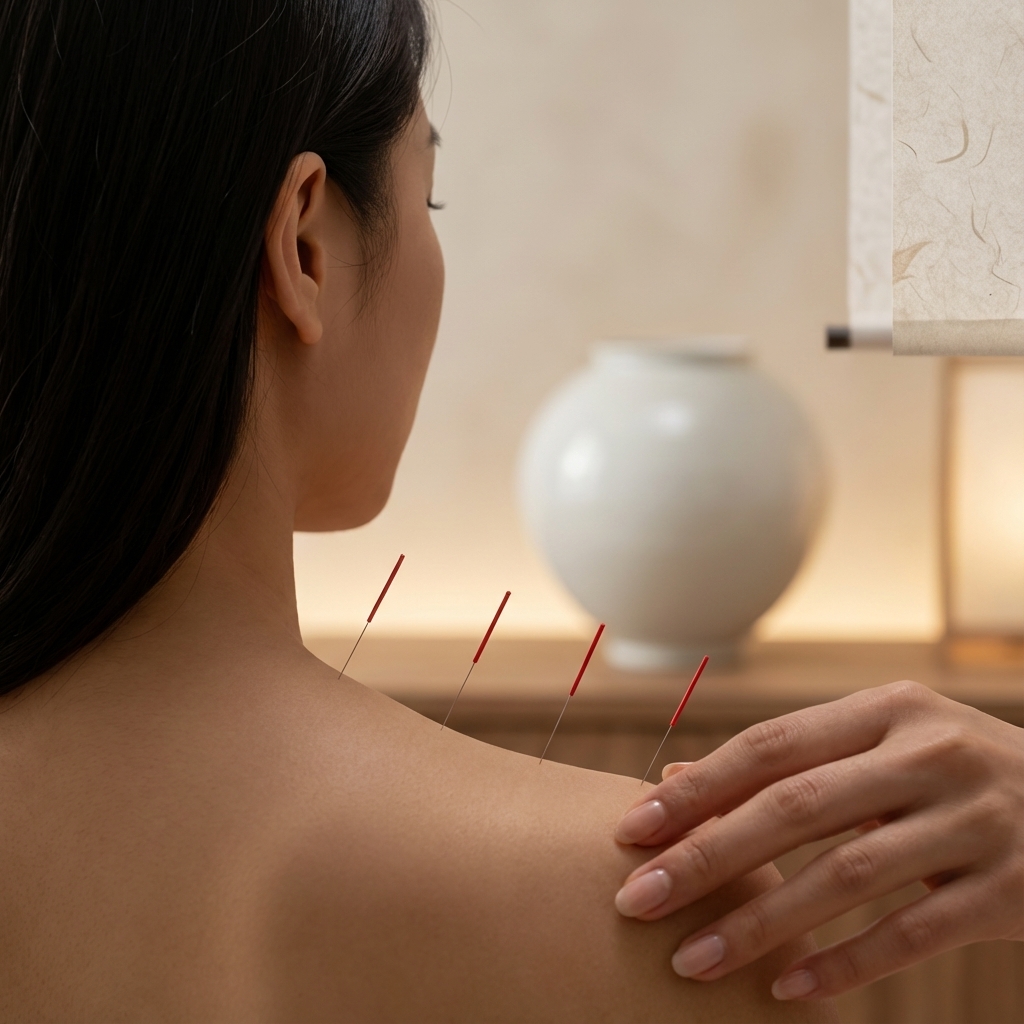
The majority of whiplash injury patients recover within a few months, and only a small percentage progress to long-term aftereffects. Interestingly, psychological factors play a significant role in determining recovery, in addition to the severity of the injury. The fear-avoidance vicious cycle, where avoiding movement due to fear of pain weakens muscles and makes one more sensitive to pain, has been identified as a major pathway to chronicity. In other words, since anxiety itself can worsen the prognosis, receiving an accurate assessment and gradually increasing activity is the best preventive measure. In Korean medicine, worry and anxiety are believed to block the flow of Qi; thus, emotional tension is viewed as stagnating energy and hindering the release of stagnant blood. The mechanism by which anxiety accumulated from reading online posts increases neck tension and exacerbates pain is the same from both the perspective of Korean medicine and modern pain medicine. At Dongjedang, we first use ultrasound to directly visualize the current tissue condition to dispel vague anxiety, and then apply staged external treatments, such as needle acupuncture and thread embedding, to remaining areas of adhesion and weakening. For internal treatment, we reduce tension in both body and mind simultaneously using herbal medicine tailored to your body condition to release both blocked Qi and stagnant blood. Three months is not too late; it is a point where you can change direction at the crossroads of chronicity. You may establish a treatment plan based on the premise of recovery.
Related FAQs
-
Q
I am a logistics center employee in my 30s. I even had an MRI after the accident, and while it says there are no abnormalities, the pain persists. Is treatment possible even though the test results are normal?
#Possibility / Realistic Goals
-
Q
I am an elementary school teacher in my 40s. After the accident, I developed not only neck pain but also shoulder stiffness, numbness in my arms, and occasional tinnitus. Do I need to visit separate hospitals for each condition, or is it originating from my neck?
#Comorbidities
-
Q
I am a bus driver in my 50s. I have been wearing a neck brace since an accident, but is it better to keep wearing it? I am not sure how long I need to wear it.
#Lifestyle Management
-
Q
I am a nurse in my 30s. Since the accident, my neck feels stiffer when I wake up. What should I do regarding my pillow or sleeping position?
#Lifestyle Management
-
Q
I am a woman in my 60s. I have osteoporosis; is it safe to receive Chuna manual therapy or moxibustion for neck treatment after an accident? I am scared by the talk of my neck being "broken."
#Safety