

Q I am a bus driver in my 50s. I have been wearing a neck brace since an accident, but is it better to keep wearing it? I am not sure how long I need to wear it.
A It is recommended to use the neck brace restrictively only for the first few days when severe pain is present, and to remove it as soon as possible. The current standard recommendation is that prolonged use weakens and stiffens neck muscles, which actually delays recovery. Gentle movement within the pain range is more beneficial for recovery.
Detailed Answer
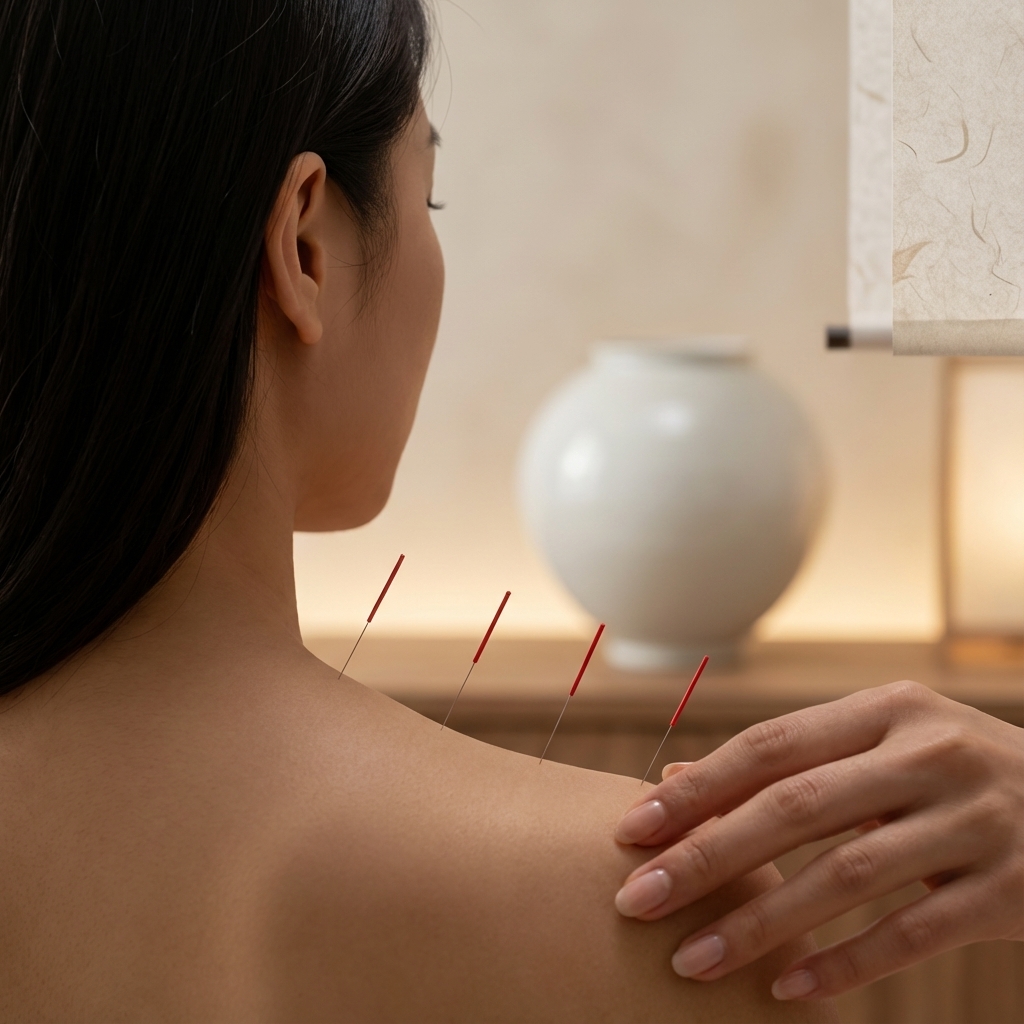
In the past, neck braces (cervical chinlas) were prescribed for long-term use in whiplash injuries. However, recommendations have changed as various studies consistently showed that the group wearing the brace for a long time recovered more slowly and had a higher rate of chronicity compared to the group exercising early. Currently, for whiplash injuries excluding fractures and nerve damage, the standard is to limit the use of the brace to within 3 to 5 days during the severe acute phase, and to perform early active exercise within the pain-allowable range. This is because muscles weaken rapidly if they do not move, creating a vicious cycle where weakened muscles generate pain. From the perspective of a Korean medicine clinic, the same conclusion is reached based on the principles of Korean medicine. Qi and blood flow with movement; however, immobilizing the neck with a brace for a long time causes qi and blood circulation to stagnate. This prevents blood stasis caused by the accident from dissolving, causing the stagnant state to solidify. Based on the principle that blockage causes pain, immobilization effectively preserves the cause of the pain. At Dongjedang, we actively reduce pain and inflammation using acupuncture and pharmacopuncture during the acute phase to allow for the brace to be removed quickly. During the recovery phase, we guide patients through Chuna manual therapy and gentle mobility exercises to restore the flow of meridians. For those with jobs that require continuous neck use, such as driving, we establish a routine of 5 minutes of neck stretching and shoulder loosening before and after work. We also support muscle recovery with herbal medicine tailored to your constitution, designing a treatment plan where your return to work and treatment go hand in hand.
Related FAQs
-
Q
I am a job seeker in my 20s. It has been three months since the accident, and I am anxious because there are many posts online saying that it lasts a lifetime. Is it really possible to fully recover?
#Possibility / Realistic Goals
-
Q
I am a logistics center employee in my 30s. I even had an MRI after the accident, and while it says there are no abnormalities, the pain persists. Is treatment possible even though the test results are normal?
#Possibility / Realistic Goals
-
Q
I am an elementary school teacher in my 40s. After the accident, I developed not only neck pain but also shoulder stiffness, numbness in my arms, and occasional tinnitus. Do I need to visit separate hospitals for each condition, or is it originating from my neck?
#Comorbidities
-
Q
I am a nurse in my 30s. Since the accident, my neck feels stiffer when I wake up. What should I do regarding my pillow or sleeping position?
#Lifestyle Management
-
Q
I am a woman in my 60s. I have osteoporosis; is it safe to receive Chuna manual therapy or moxibustion for neck treatment after an accident? I am scared by the talk of my neck being "broken."
#Safety