
Q I am a private academy instructor in my 40s. I am planning to visit a Korean medicine clinic for the first time since the accident, and I would like to know in advance the sequence of treatment for whiplash injury.
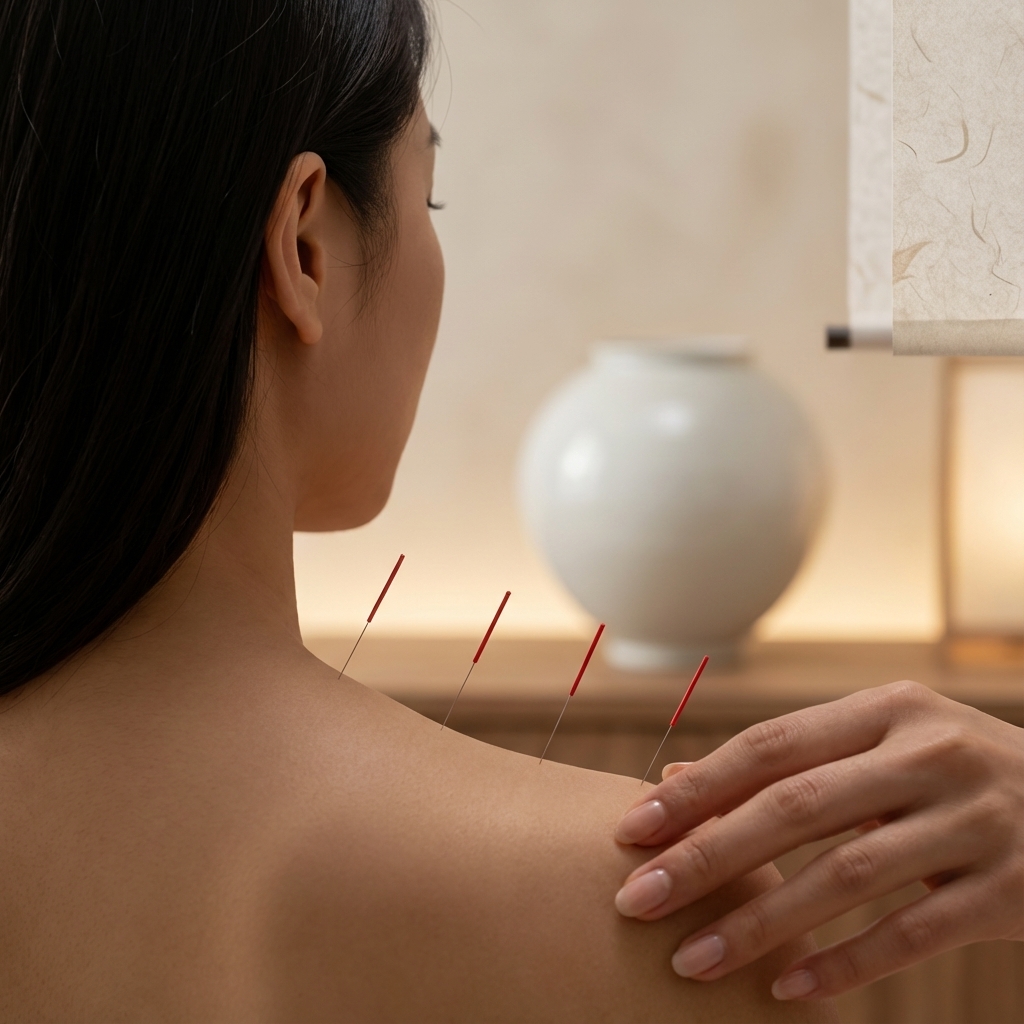
A First, the location and severity of the injury are confirmed using ultrasound or other methods. During the acute phase, pain and inflammation are reduced using acupuncture and pharmacopuncture. Once the pain is under control, adhesions are released and ligaments are strengthened using needle acupuncture. The recovery phase concludes with Chuna manual therapy and exercise guidance. Throughout the entire process, herbal medicine treatment can be combined to resolve blood stasis and enhance recovery.
Detailed Answer
The principle of whiplash injury treatment is to proceed according to the recovery stages of the damaged tissue (inflammatory phase → proliferative phase → remodeling phase). In the Stage 1 assessment, the location of pain, range of motion, and the presence of neurological symptoms are checked, and the condition of ligaments and muscles is examined using ultrasound if necessary. The goal of Stage 2 acute treatment is pain and inflammation control; Stage 3 is the period to loosen hardened tissues and strengthen weakened structures; and Stage 4 involves posture and exercise education to prevent recurrence. If you skip steps, pain is prone to recurrence. From the perspective of a Korean medicine clinic, this stage precisely overlaps with the sequence of resolving blood stasis, clearing blocked meridians, and nourishing the weakened constitution. Dongjedang’s external treatment implements this principle using a step-by-step approach. During the acute phase, anti-inflammation and pain relief are provided through acupuncture, bee venom therapy, and pharmacopuncture; during the subacute phase, adhesions are separated and ligaments are strengthened using ultrasound-guided needle acupuncture; and regeneration is promoted in slow-recovering tissues through fire acupuncture and thread embedding. Internal treatment proceeds alongside this throughout all stages; the ultimate goal is to create a physical condition that prevents recurrence even after treatment is complete by clearing out accumulated blood stasis, dampness, and toxins, and replenishing Qi and blood with herbal medicine tailored to the individual's constitution. The fundamental framework of Dongjedang’s pain treatment is to restore circulation and organ function, rather than merely alleviating localized pain.
Related FAQs
-
Q
I am a job seeker in my 20s. It has been three months since the accident, and I am anxious because there are many posts online saying that it lasts a lifetime. Is it really possible to fully recover?
#Possibility / Realistic Goals
-
Q
I am a logistics center employee in my 30s. I even had an MRI after the accident, and while it says there are no abnormalities, the pain persists. Is treatment possible even though the test results are normal?
#Possibility / Realistic Goals
-
Q
I am an elementary school teacher in my 40s. After the accident, I developed not only neck pain but also shoulder stiffness, numbness in my arms, and occasional tinnitus. Do I need to visit separate hospitals for each condition, or is it originating from my neck?
#Comorbidities
-
Q
I am a bus driver in my 50s. I have been wearing a neck brace since an accident, but is it better to keep wearing it? I am not sure how long I need to wear it.
#Lifestyle Management
-
Q
I am a nurse in my 30s. Since the accident, my neck feels stiffer when I wake up. What should I do regarding my pillow or sleeping position?
#Lifestyle Management